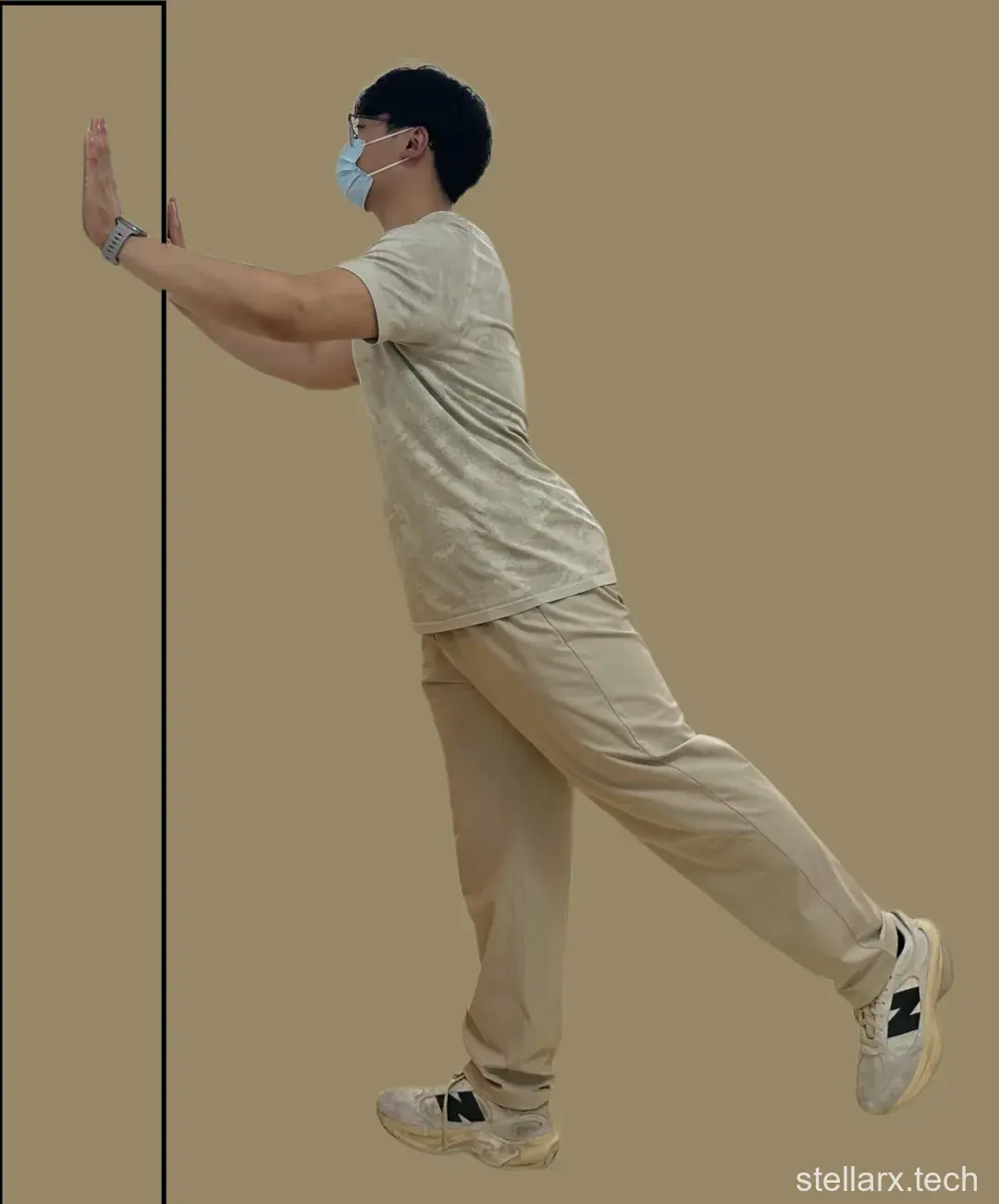
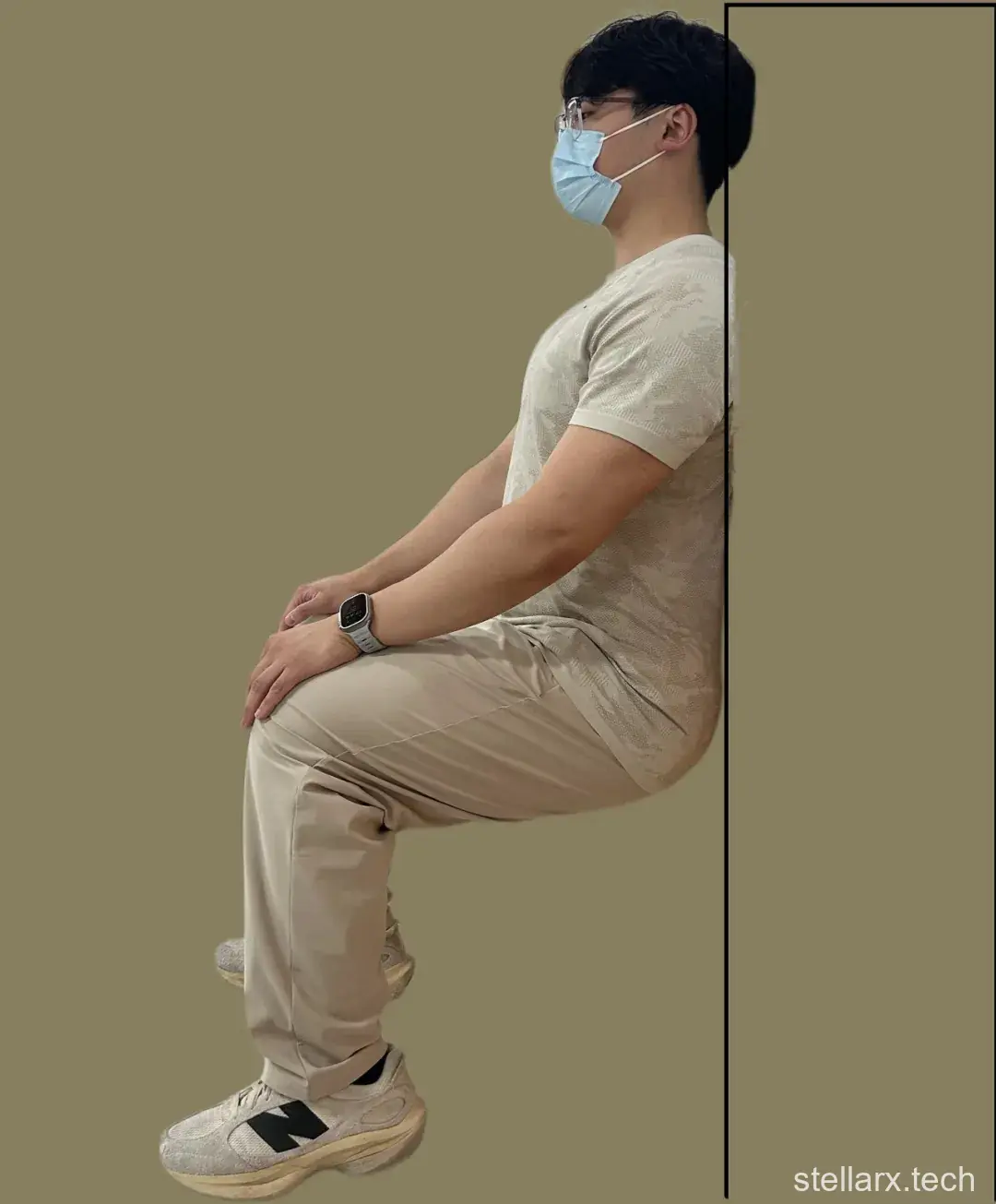
Getting up from a chair takes effort. Climbing stairs makes your knees complain. Your lower back aches for no clear reason. Three complaints that look unrelated — and a growing number of doctors say they trace back to one muscle you have been sitting on all day: the gluteus maximus.
The body's seat belt
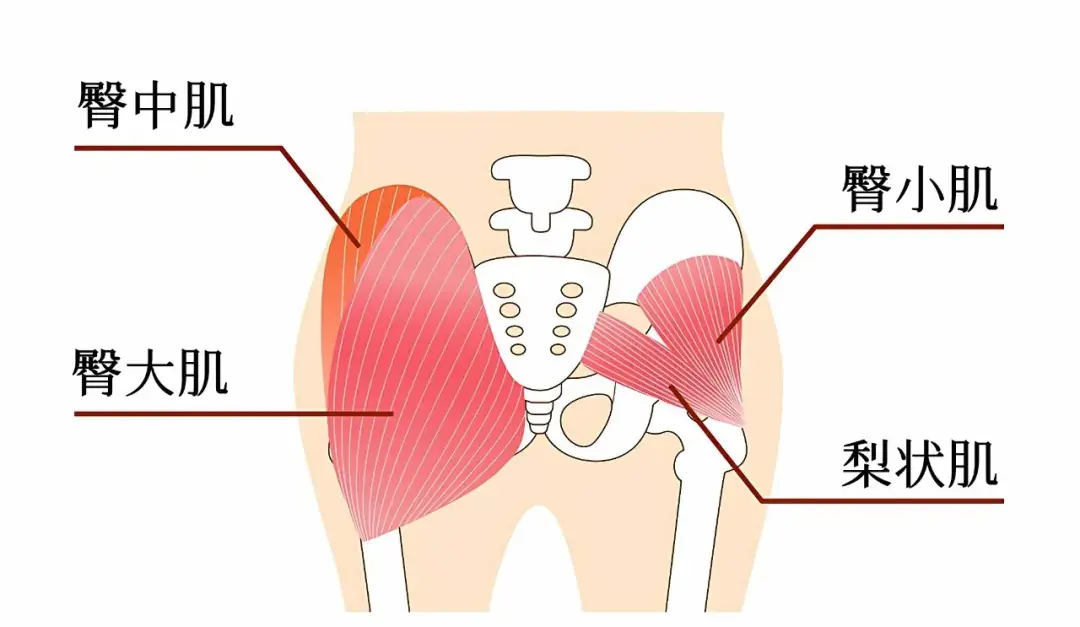
The gluteus maximus is one of the largest and most powerful muscle groups in the human body, connecting the pelvis to the thigh bone. A strong one matters far beyond looks.
Falls. For older adults, strengthening this muscle is like fastening a seat belt around their life, says Pan Yu, chief physician of rehabilitation medicine at Tsinghua-affiliated Beijing Tsinghua Changgung Hospital. During walking, the glutes work as both engine and brake: they drive the push-off that moves the body forward, and at heel strike they control the thigh and trunk, holding balance and stopping forward falls. Standing up from a chair and bending to pick something up also call on glute power.
Anterior pelvic tilt. The gluteus maximus is the "load-bearing pier" of the hip, says Zhang Yimin, professor of sport and exercise science at Beijing Sport University. As the most developed muscle of the buttock, its main job is extending the hip joint — powering the back-leg push-off during walking — and it resists the pull of the hip flexors, keeping the pelvis from tilting too far forward.
Lumbar spine. Good glute strength shares the load off the lower back. When the glutes are weak, the hip flexors keep pulling the pelvis forward, the lumbar spine over-extends, and the lower back "collapses" into increased lordosis. Over time the back muscles, forced to hold the spine stable, stay tense and pain follows.
Blood sugar. Training the glutes is a practical strategy for lowering diabetes risk, says Zhang Jinhui, attending physician of endocrinology at Aviation General Hospital. As one of the largest, most powerful muscle groups, the gluteus maximus is a major "battlefield" of glucose metabolism. The shift from muscle to fat is itself a marker of declining metabolic function.
Two tests for glute status
Besides age, habits like prolonged sitting cause disuse atrophy of the glutes. When the glutes are weak, push-off during walking loses force, the body leans forward uncontrollably, the pelvis destabilises and falls become easy; back muscles compensate and hurt; hips and knees take abnormal load and wear faster.
One-leg stand. Stand on one leg; if your body sways visibly and you struggle to hold balance past 10 seconds, glutes may be weak.
Backward leg raise. Lying face down, lift one thigh up and back; if the buttock contraction feels weak or the leg barely rises, the muscle is not firing.
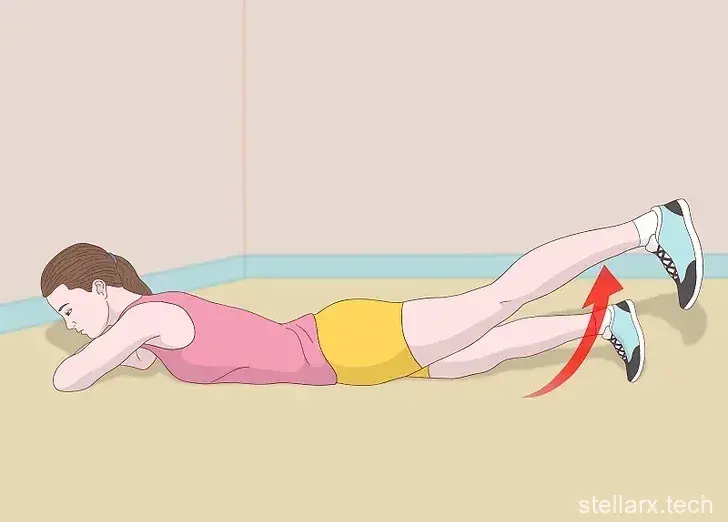
Warning signs in daily life: an older adult who needs hand support to get up from a low stool or the toilet, or who finds stairs exhausting with the buttocks "failing to engage", should suspect weak glutes.
Four moves to rebuild the glutes
Zhai Xiaoxue, attending physician of rehabilitation medicine at Tsinghua-affiliated Beijing Tsinghua Changgung Hospital, recommends the following, 2–3 sets a day. Check with a doctor first and rule out contraindications before training.
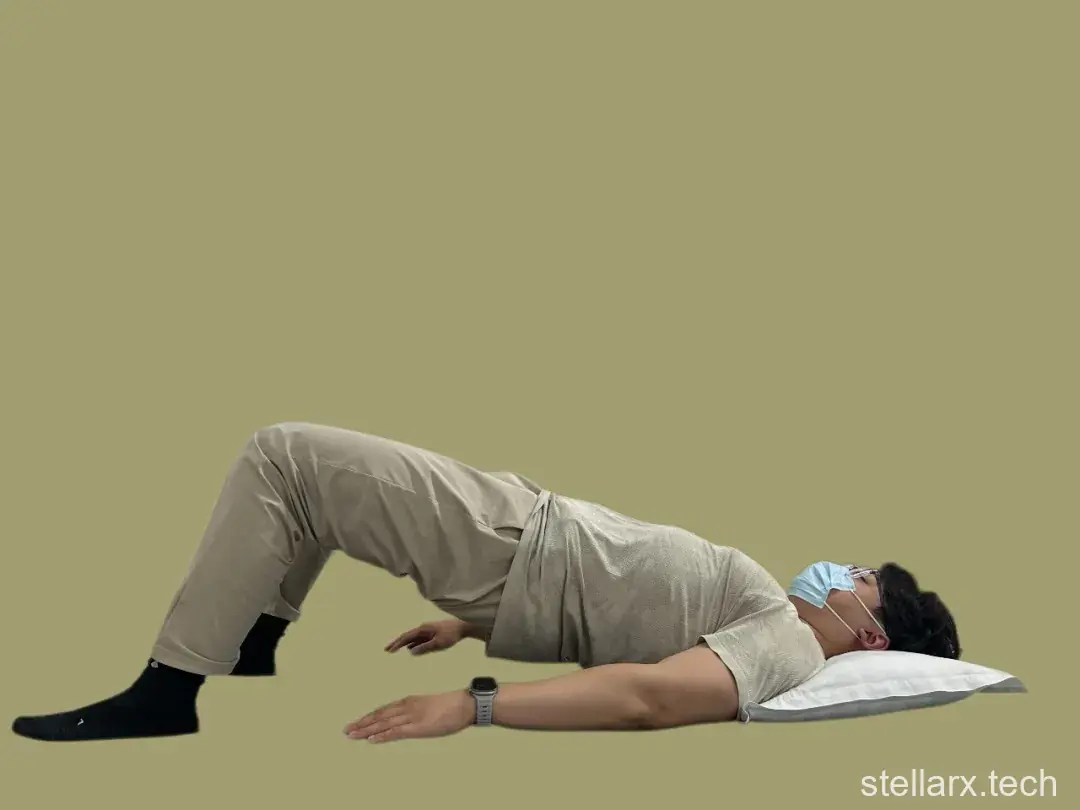
Glute bridge. Lie on your back, knees bent, drive through the heels, squeeze the buttocks and lift the hips until shoulder, hip and knee form a line; hold at the top for 1–2 seconds. Keep the core engaged throughout and avoid over-arching the lower back. 10–15 reps per set; to progress, hold the top position statically for 5–10 seconds.
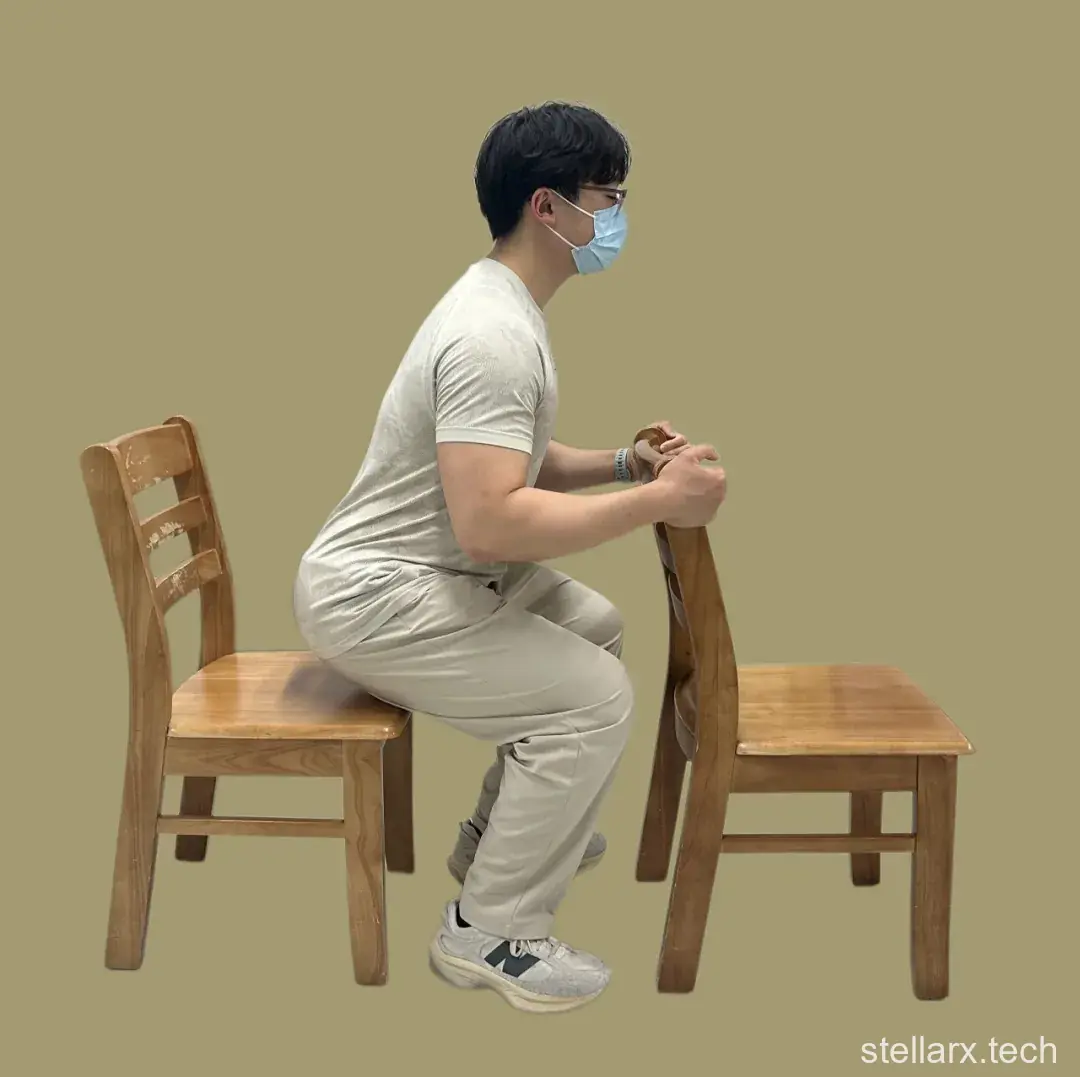
Chair squat. Stand in front of a chair, feet shoulder-width apart, hands holding another chair for balance. Sit back with hips and knees bending, touch the seat lightly, then drive through the feet to stand. Keep knees tracking over the toes, core tight, movement steady. 8–12 reps per set.