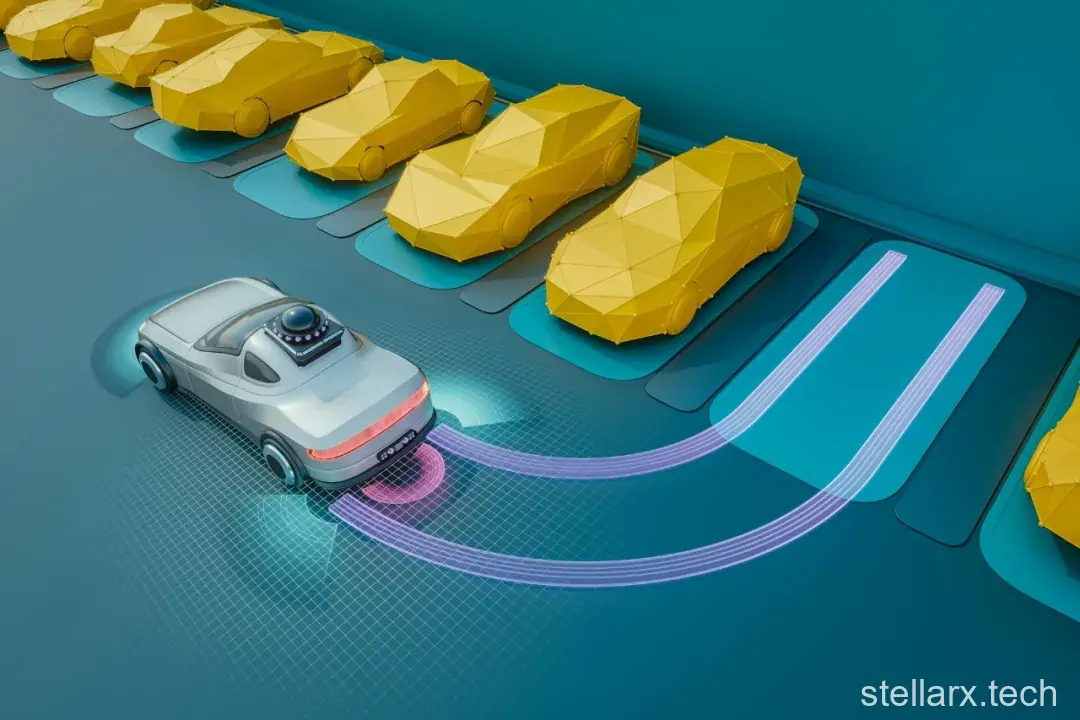
Some drivers overtake smoothly on a dark highway, change lanes without a jolt, and still arrive earlier than the satnav predicted. Their passengers never feel a thing. What those drivers know — and what their brains show — is almost the opposite of what you would expect: the better the driver, the smaller parts of the brain become.

Driving is a cognitive marathon run in milliseconds. From a neurophysiological standpoint, the driver's brain must simultaneously watch other cars, judge distances, and coordinate the wheel, throttle and brake. Nasty situations — squeezing past a truck on a narrow road, parking into a tight spot, a sudden hazard — are where novices feel helpless and veterans become fluent, until the road and the hands are one.
Skill grows, gray matter shrinks
These changes live in the cerebral cortex — occipital, parietal, temporal and frontal lobes — and they show up in scans. A 2024 study published in PeerJ by researchers at Liaoning Normal University compared drivers with non-drivers and found that as driving became more skilled, gray matter volume shrank noticeably in the middle occipital gyrus, middle temporal gyrus, supramarginal gyrus and cerebellum.
That is not damage. It is what training and expertise do to a human brain. A long line of studies supports the rule "more skill, less gray matter" — like carving away the excess from a block of stone until a fine sculpture is left. The researchers also saw a counterintuitive pattern: the more skilled the driver, the less neural activity in the regions involved in driving, including the middle occipital gyrus, the area that tracks the direction and speed of moving objects, judges spatial distance, and coordinates that information with body movement.
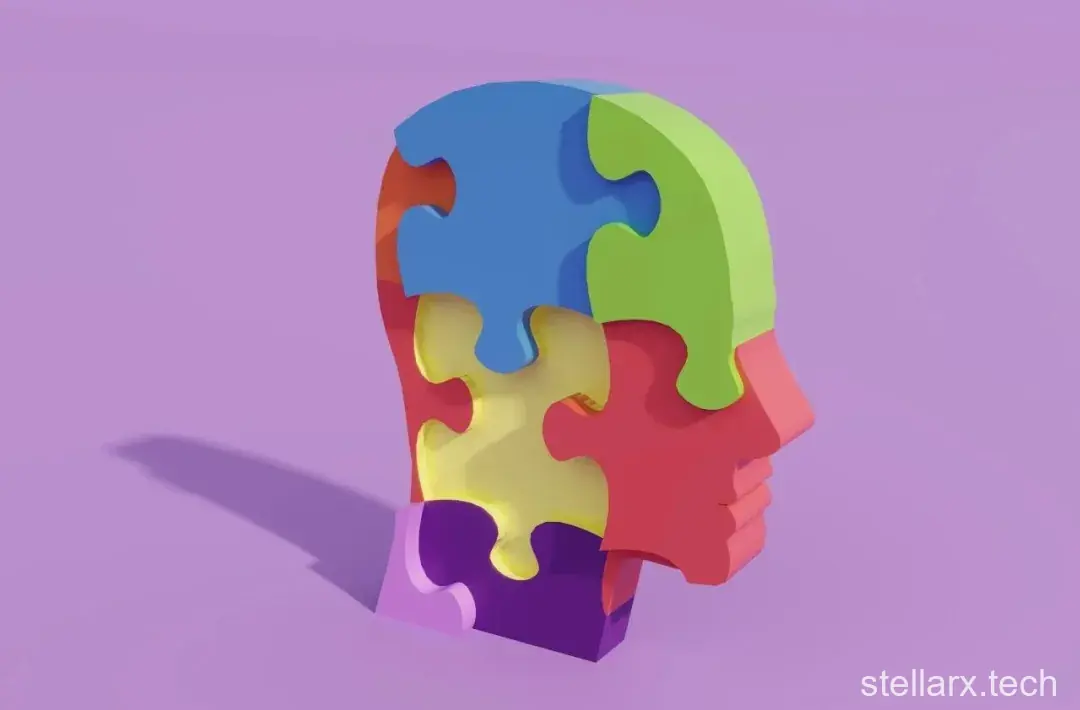
The brain does not believe in brute force. It learns neural efficiency: recruit the right neurons in the most relevant regions, and the task looks almost quiet. The gray matter loss, the team concluded, is the brain optimizing its neural pathways and raising cognitive efficiency.
Those savings buy something concrete. A 2020 fMRI study found that experienced drivers react significantly faster to hazards than novices — with stronger activation in the brain regions for visual attention and decision-making. While the novice is still working out how to control the car, the veteran has spare brainpower for visual search and better decisions.
Born to drive
One group of drivers faces danger for a living: racing drivers. Italian neuroscientist Pietro Pietrini, who has spent more than a decade studying the brains of Formula One professionals, published two studies on how elite driving reshapes the brain.
F1 is a physiological assault. Cornering pulls up to 4–5 G of lateral acceleration; the driver's neck carries nearly 35 kilograms of load. Heart rate runs at 160–180 beats per minute for the whole race — higher than in any other sport — and a single grand prix can cost three litres of body water, with energy expenditure like a marathon. All while managing a wheel with dozens of buttons, judging overtakes, and managing tyres, energy and car state for 90 minutes or more. On straights the car reaches 360 km/h; through corners, 280 km/h.
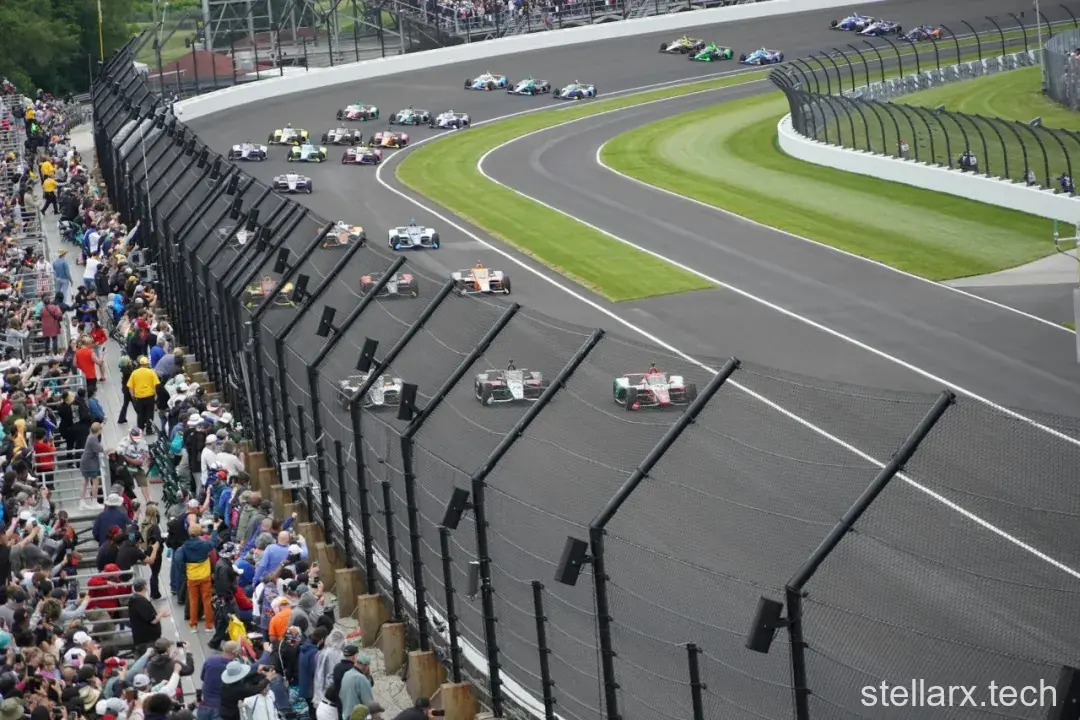
At that speed, Pietrini argues, no brain can keep up. An ordinary brain spends all its effort on one question: how not to die. His team ran three experiments on 11 professional F1 drivers and 11 ordinary drivers. Skilled drivers rely on efficient reactions — but the elite, on top of that, possess something else: prediction.
In one test, both groups watched F1 races from the driver's viewpoint. Ordinary drivers' brains behaved as if watching a show — visual cortex lighting up. The F1 drivers' brains behaved as if driving — motor control and spatial navigation regions staying continuously active.
There was one striking detail: F1 drivers had higher gray matter density in the retrosplenial cortex. Across the brain, only this region correlated with racing performance. Among the 11 drivers, a denser retrosplenial cortex usually meant more race wins.
Why would this region handle speed? It comes down to how the brain handles space. The human brain keeps at least two reference frames — the egocentric frame ("where am I relative to the world") and the allocentric frame ("where is everything relative to each other"). The retrosplenial cortex helps the brain switch between them, rebuilding imagined scenes of past and future. For an F1 driver, it builds a "high-definition" spatial map: recognize the track, locate yourself, predict where you are going. That prediction is time the brain buys to survive at high speed.