A 2021 Instagram selfie carried a secret nobody in the photo noticed — a giant water lily that had never been named. The man in the picture runs a plant nursery and knows waterlilies. He called it the common Amazon waterlily. So did everyone else who saw it. It took a waterlily expert at Kew to see that the label was wrong.
The Leaves Fooled Even a Plant Expert
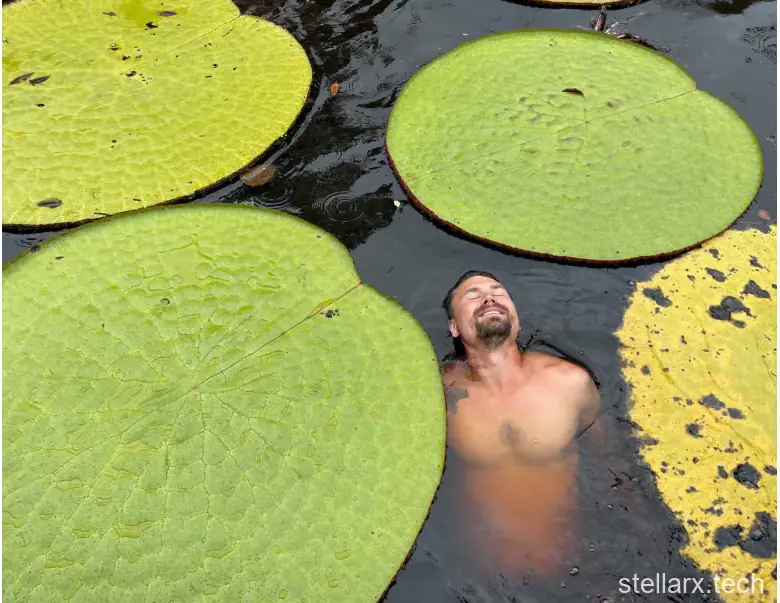
In 2021, Jeremiah Harris swam in the Inírida River in eastern Colombia and posted a selfie among huge leaves. He owns a carnivorous plant nursery in the United States, so naming plants is his job. He identified the giants as Victoria amazonica, the Amazon waterlily — the best-known of all giant water lilies.
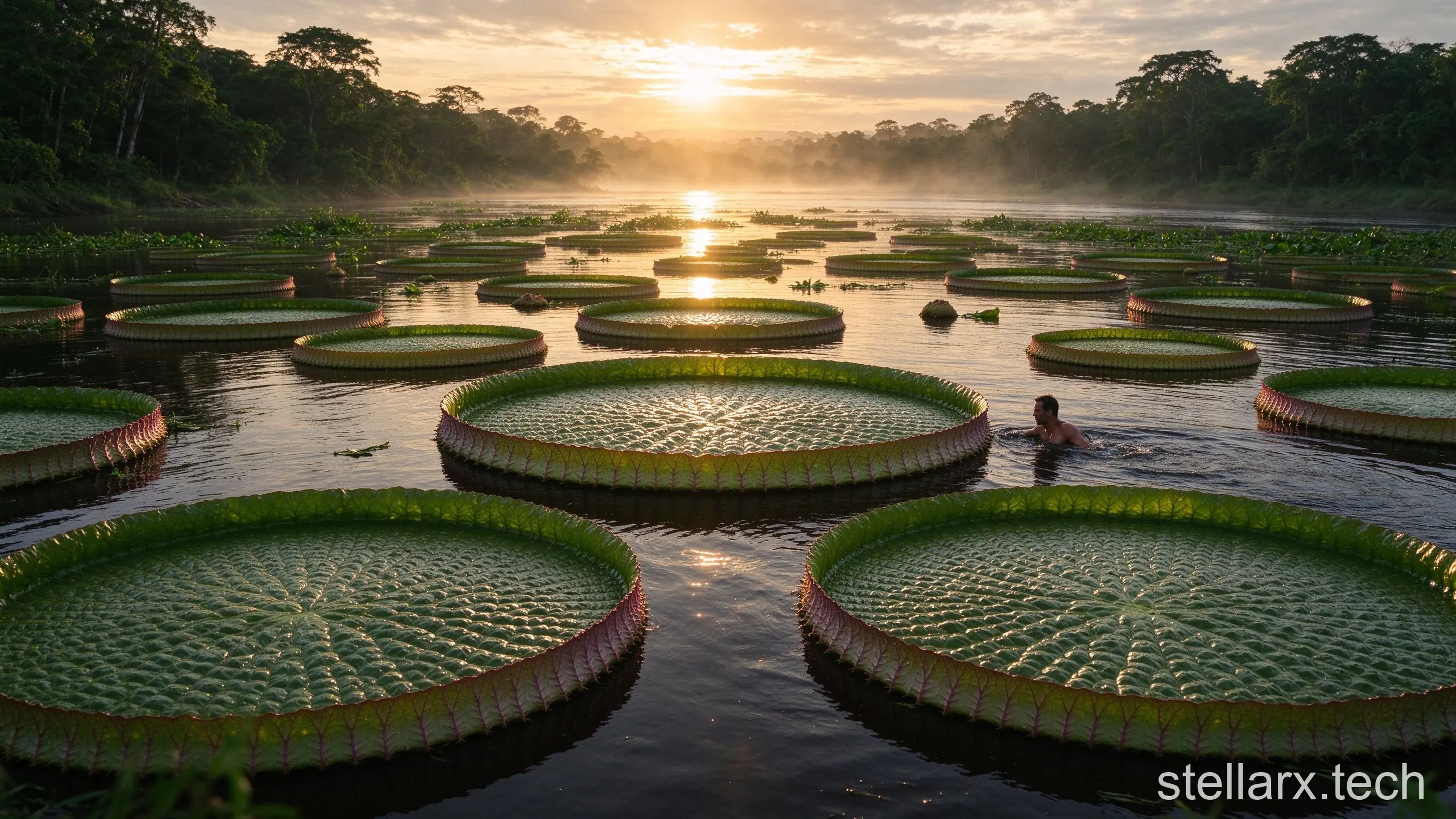
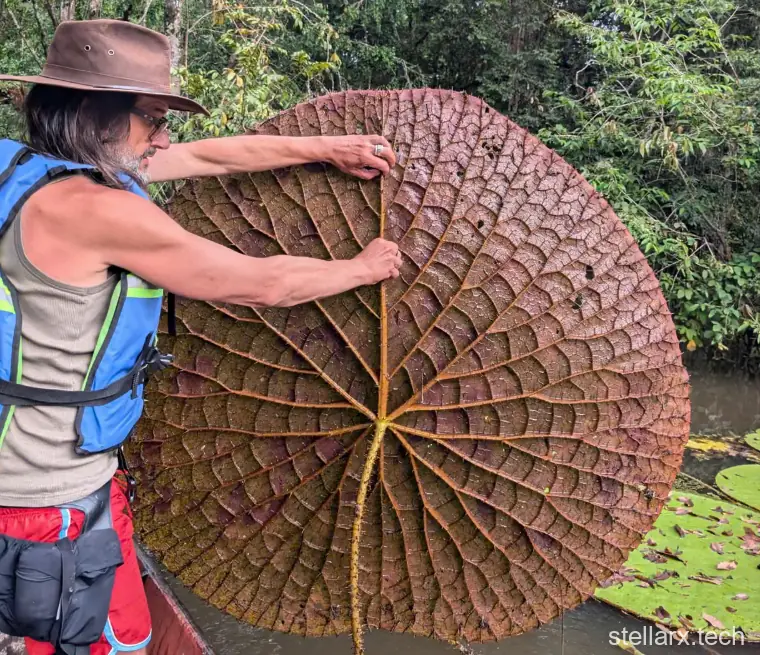
The leaves were enormous, more than 3 meters across, large enough to be picked out in satellite images.
Carlos Magdalena, a waterlily specialist at the Royal Botanic Gardens, Kew, came across the photo and immediately suspected something was off. The Amazon waterlily's natural range does not reach the Inírida River — a water system in the far east of Colombia with no connection to the Amazon.
He turned to satellite imagery. Scanning the river and its lakes, he spotted clusters of giant floating pads. The giants were there, dozens of them — but were they the species everyone assumed?
Why the Flower Is the Only Proof of Identity
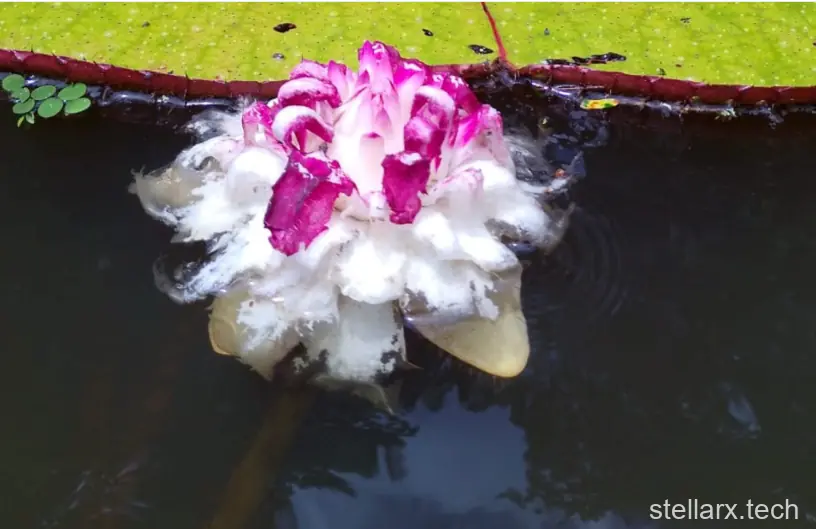
You cannot identify a giant water lily from its leaves. The species in the genus Victoria look almost identical from above — the same huge round pads, the same upturned rims. Botanists tell them apart by the flower: petal color, stamen structure, and the shape of the fruit. No flower, no verdict.
So proving a new species meant reaching a plant in flower. The groundwork took years: poring over satellite images, contacting Harris, raising funds, and securing permits. Then came a five-day expedition into flooded forest.
For days the team searched the flooded jungle. They found two giant waterlilies — but neither was in flower. Identification stayed impossible.
Ten Hours to Catch the Plane
With just ten hours before their return flight, a member of a local indigenous community told them to look elsewhere. The team sailed overnight through total darkness, deeper into the flooded rainforest.
Just before sunrise they reached a small lake. There, for the first time, they found giant waterlilies in flower — all the evidence they needed.
They collected samples and spent years analyzing the morphology and the DNA.
A Fourth Species, and One That Is Vanishing
On 9 October 2026, the team published the proof in Phytotaxa, naming the plant Victoria colombiana.
The genus Victoria now holds four species: amazonica, cruziana, boliviana, and now colombiana. The previous addition, Victoria boliviana, was described only in 2022. In just a few years, knowledge of the family nearly doubled. Victoria boliviana grows the largest pads of the four.
The new species is critically endangered. Researchers estimate only about 30 to 50 plants survive in the wild.
Magdalena's warning is blunt: "We believe we know everything but the reality is we don't. There's lots of things still to be discovered and protected."
A Leaf That Floats a Person on Air
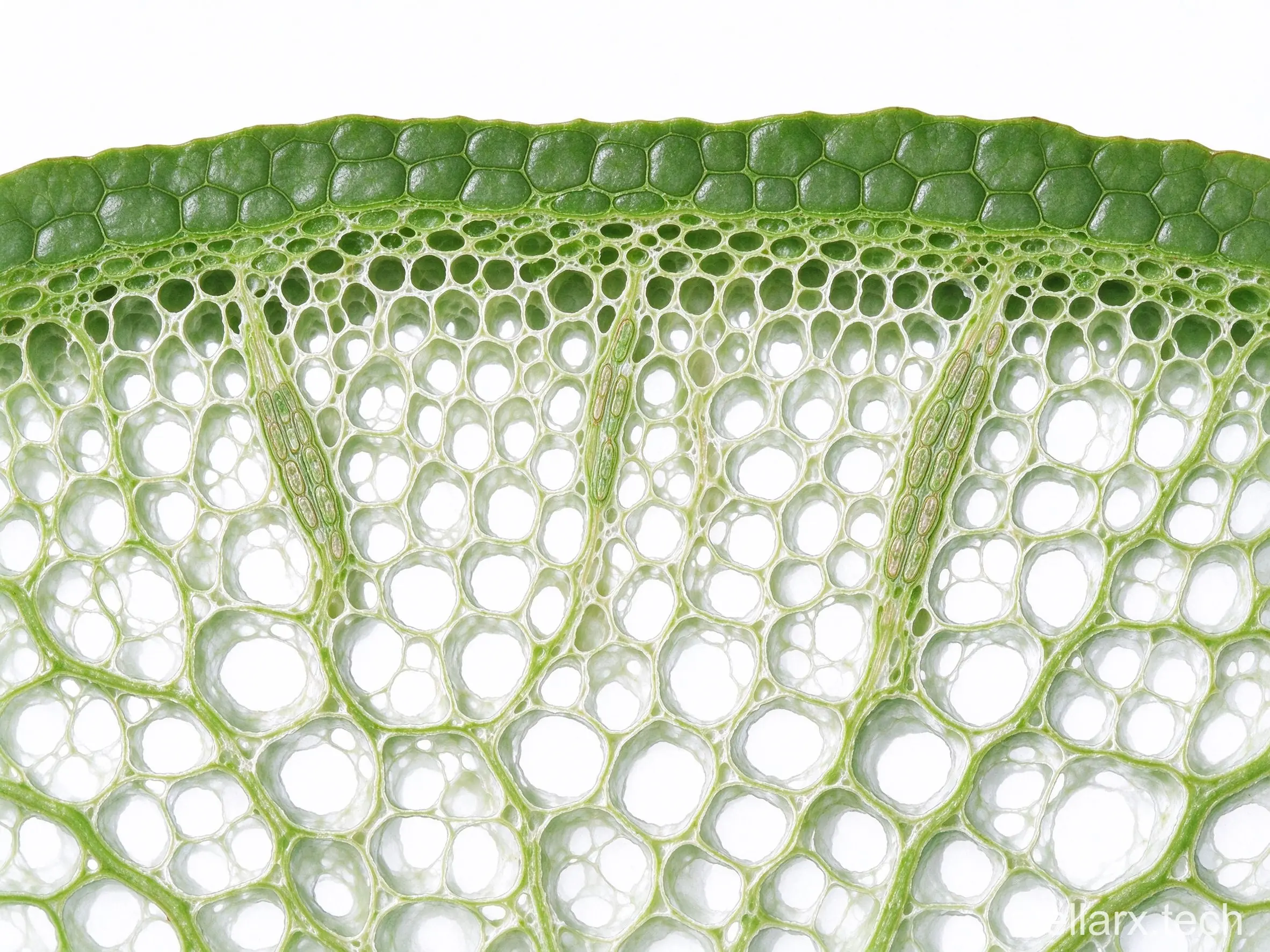
The giant pads don't stay afloat by luck. On the underside of a Victoria leaf runs a dense network of veins over a layer of aerenchyma — air-filled tissue riddled with large cavities. Under a microscope, the cross-section is a honeycomb of air chambers.