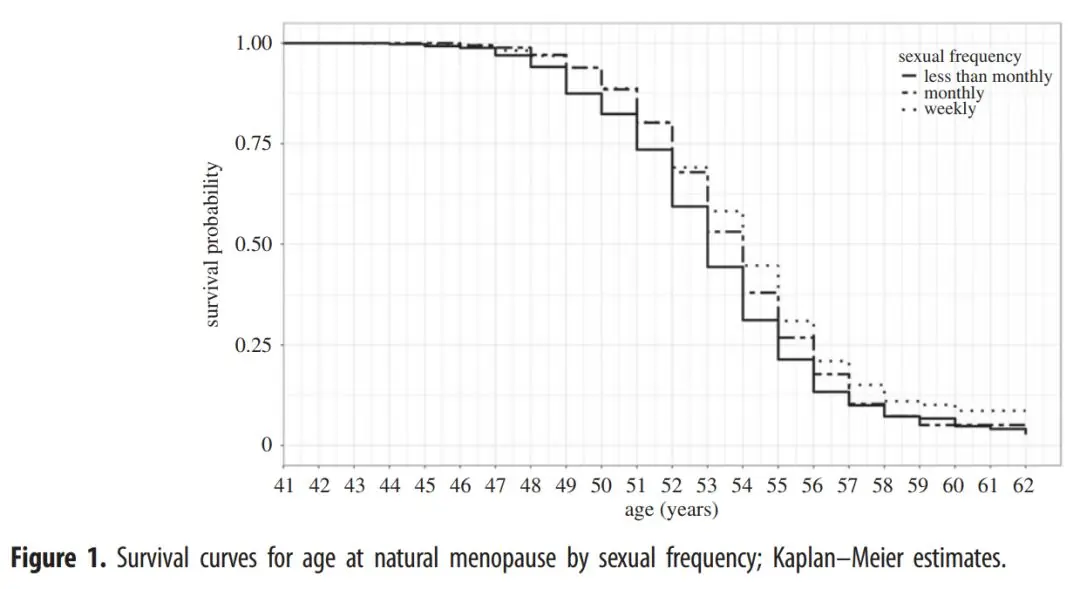
Women who had sex weekly were 28% less likely to reach menopause during the study period than women who had sex less than monthly. That is the headline from a decade-long look at nearly 3,000 American women — and it says something unexpected about why menopause happens at all.
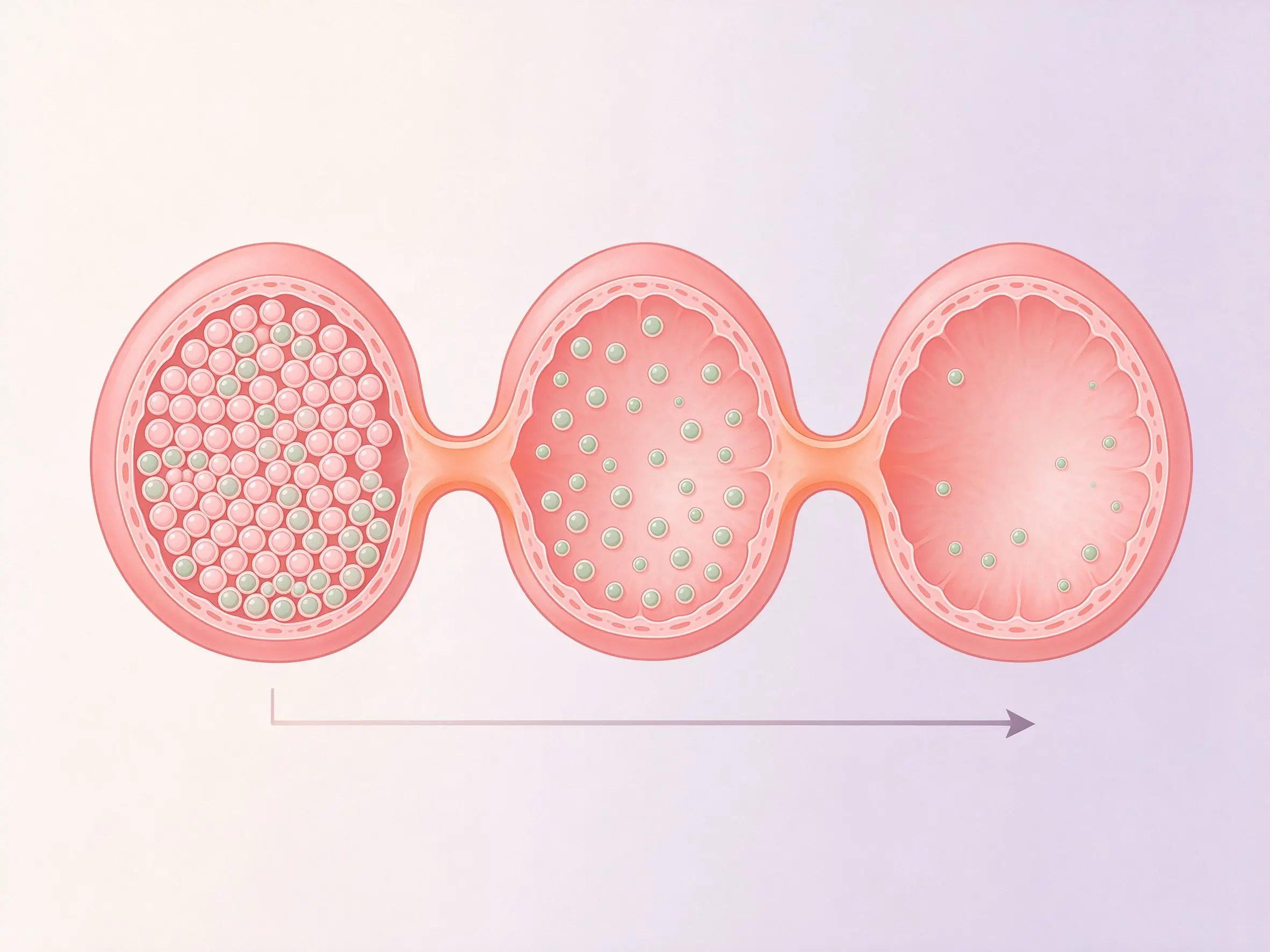
Every woman's follicle count is fixed before birth. It peaks at about 7 million follicles at five months of gestation, falls to about 400,000 by puberty, and menopause arrives when ovarian reserve drops below 1,000. Genetics sets the broad timing of natural menopause, but an estimated half of the variation comes from non-genetic factors: smoking, education, nutrition, and — the part that puzzled epidemiologists for years — whether a woman is married.
Married women consistently reach menopause later than single or divorced women, yet nobody knew why. One hypothesis: if a woman is sexually inactive, pregnancy is almost impossible, so her body quietly scales down ovulation — as if deciding there is no demand for offspring. Researchers in the Study of Women's Health Across the Nation (SWAN) tested this directly.
The study: 2,936 women, 10 years
The SWAN team recruited 2,936 premenopausal women aged 42-52 between 1996 and 1997, all with a healthy uterus and at least one ovary, and followed them for 10 years. Menopause was defined biomedically: 12 months without a period, with no external interference such as breastfeeding or hormonal contraception.
Each woman reported, over the past six months: whether she had sex with a partner; how often she engaged in sexual contact, oral sex or intercourse (from "not at all" to "daily"); and how often she masturbated. The maximum activity level on any item counted as her sexual frequency — because any sex-related contact might signal the brain about pregnancy.
At the first follow-up, mean age was 45.88. Among women who had not yet reached menopause, 46% were in early perimenopause and 54% in premenopause. Over the full follow-up, 1,324 of the 2,936 women (45%) reached natural menopause, at an average age of 52.
The results were clear before and after adjustment. Before adjustment, women in premenopause or early perimenopause who had frequent sex entered menopause later, and those who had sex weekly had the lowest risk (HR 0.74, 95% CI 0.65-0.84). Marital status made no difference (cohabiting or married HR 0.95; widowed HR 1.13). After adjustment, monthly intercourse still carried higher risk (HR 0.81) than weekly sex (HR 0.72). Intriguingly, married women appeared slightly more likely to reach menopause in the adjusted model (HR 1.19) — a reversal the authors attribute to methodological or cultural differences.
Why would sex delay menopause?
The working explanation is a trade-off. Intercourse acts as a signal: it tells the body "I want to get pregnant," and the body balances continued ovulation against stopping reproduction. Ovulation comes at a cost — during the ovulatory window, immune function dips and the body becomes more vulnerable to disease. When there is no sexual activity, spending energy on that process may be pure waste, especially for a woman with kin worth investing in.
That last idea is the grandmother hypothesis: menopause evolved to ease reproductive conflict between generations. Once an older woman no longer reproduces, she can channel her energy into caring for her grandchildren — and natural selection keeps ovulation switched off.

The authors also considered the obvious confounder: near menopause, falling estrogen causes vaginal dryness, and women may simply have less sex because of discomfort. Adjusting for estradiol levels and self-perceived overall health did not change the link. Menopause, they conclude, is at least partly a facultative response to sexual activity — not purely a biological limit like declining oocyte quality.
None of this means menopause can be postponed indefinitely or prevented. Every woman reaches it eventually. But the SWAN data suggest lifestyle can shift its timing — and women already suffering perimenopausal symptoms deserve that attention most.