You swallow two mouthfuls of water and the thirst is already gone — long before a single drop has been absorbed into your blood. How does the body know, that fast, that water is coming?
It doesn't know yet. It guesses, and the guess is built on three checkpoints that report before the facts arrive.
Thirst and a dry mouth are two different signals
Here is the first layer of the trick: a dry mouth and a thirsty body are not the same thing. Real thirst is driven by the body's water balance — blood concentration, blood volume. A dry mouth is a local problem: exposed surfaces that need moisture to keep working. The brain checks both, and it checks them in two different rounds.
The first round is a feed-forward guess. Wet the mouth, and the thirst signal drops even though nothing has actually been absorbed. The second round is a feedback check. If the body truly needs water, the brain keeps checking plasma osmolality and blood volume — the deep numbers — and only fully cancels the thirst signal when those come back satisfied. It is the same delay you feel after a meal: you eat, but the "full" signal arrives ten or twenty minutes later.
The 2016 experiment that cracked the timing
The clearest evidence that the mouth talks directly to the thirst center came in 2016, from a Nature paper that watched individual thirst neurons in live mice.
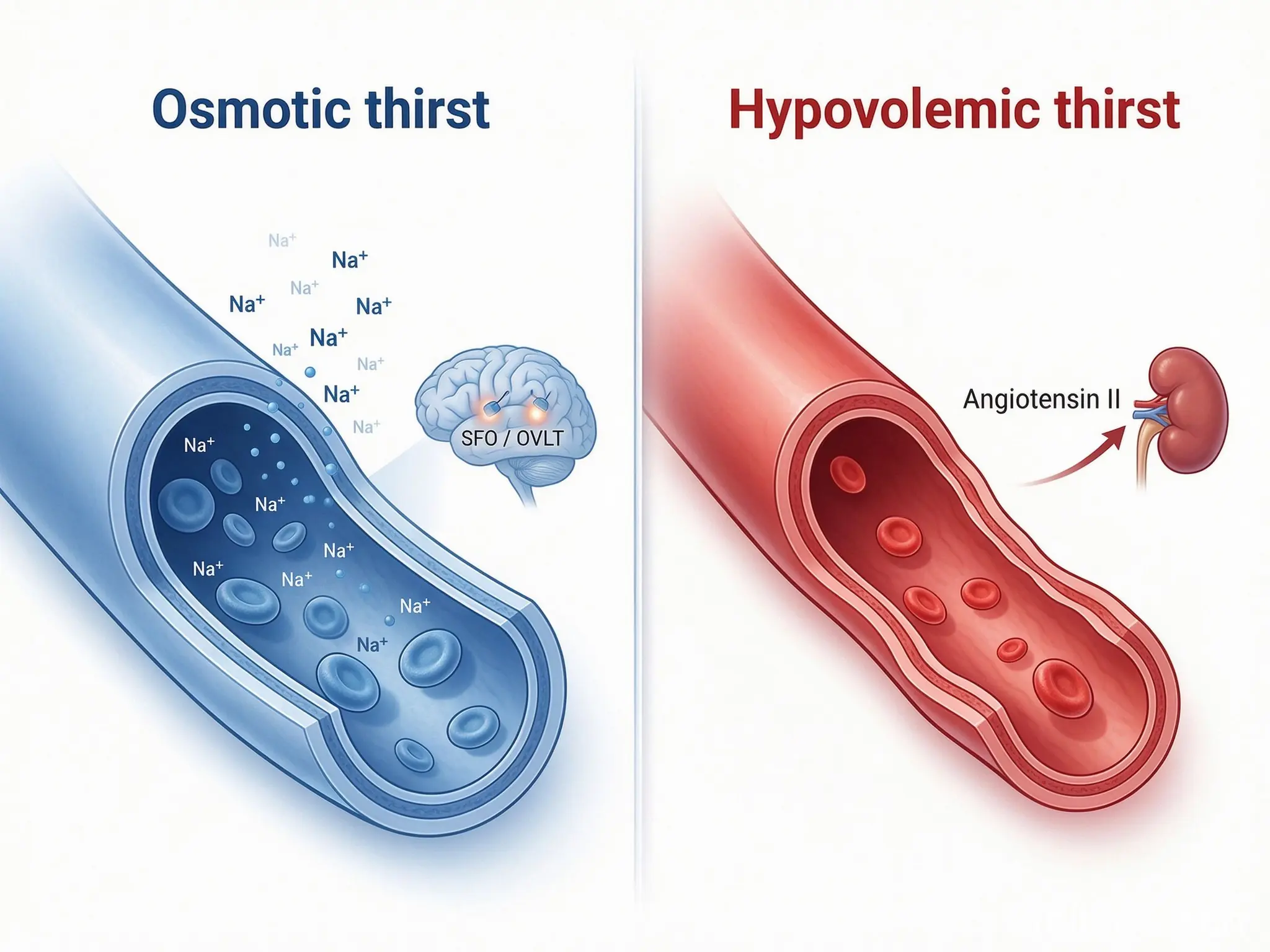
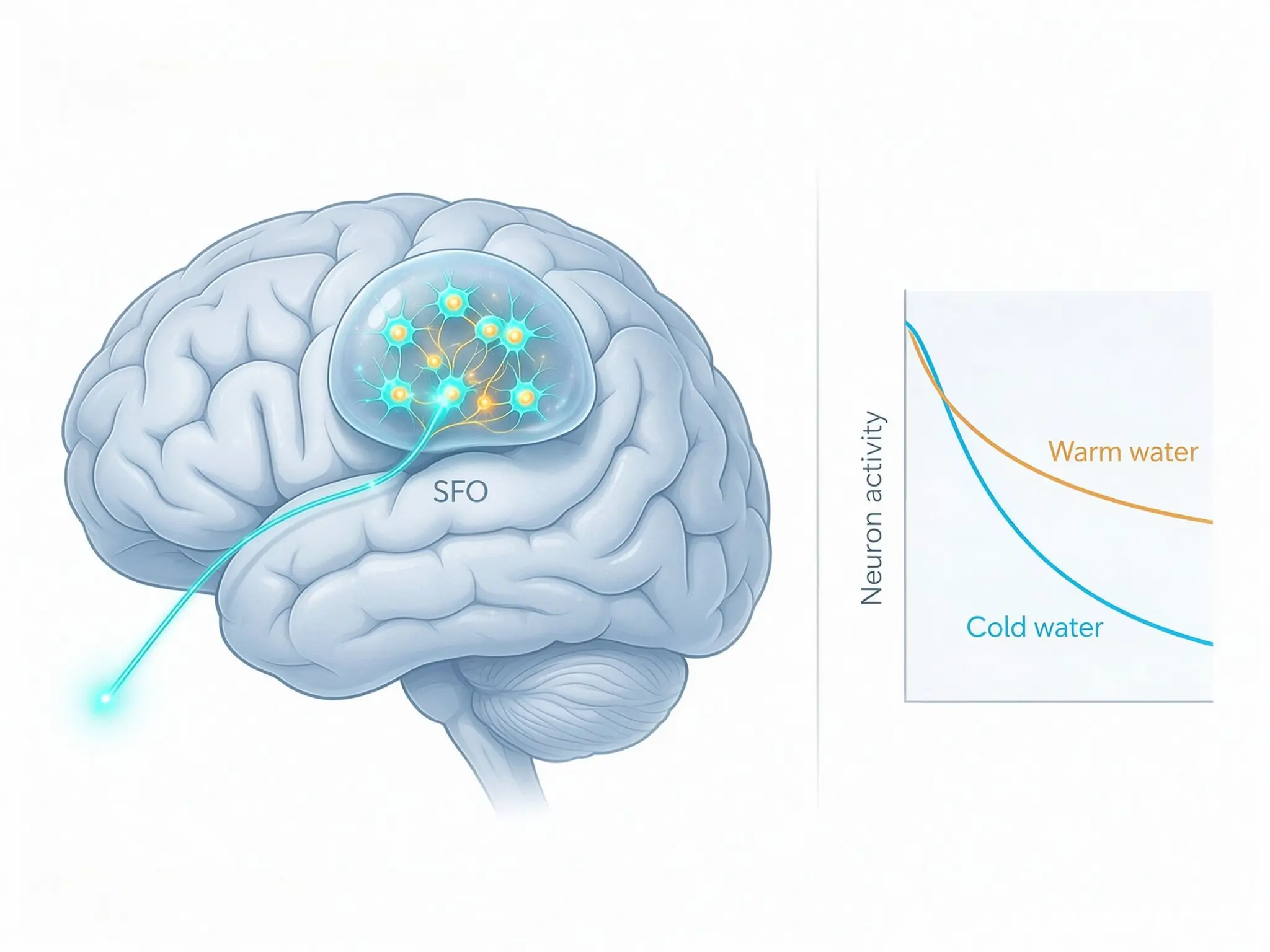
The researchers gave mice an injection of concentrated saline to create genuine osmotic thirst. Then they used fiber-optic calcium imaging to record the activity of thirst-promoting neurons in the subfornical organ (SFO), a small structure in the brain that senses blood osmolality and sits behind the blood-brain barrier where it can read the blood directly.
The striking result: the moment the mouse drank, those neurons were suppressed — before the water had reached the gut, before blood osmolality had recovered. And cold water suppressed the neurons more strongly per lick than warm water.
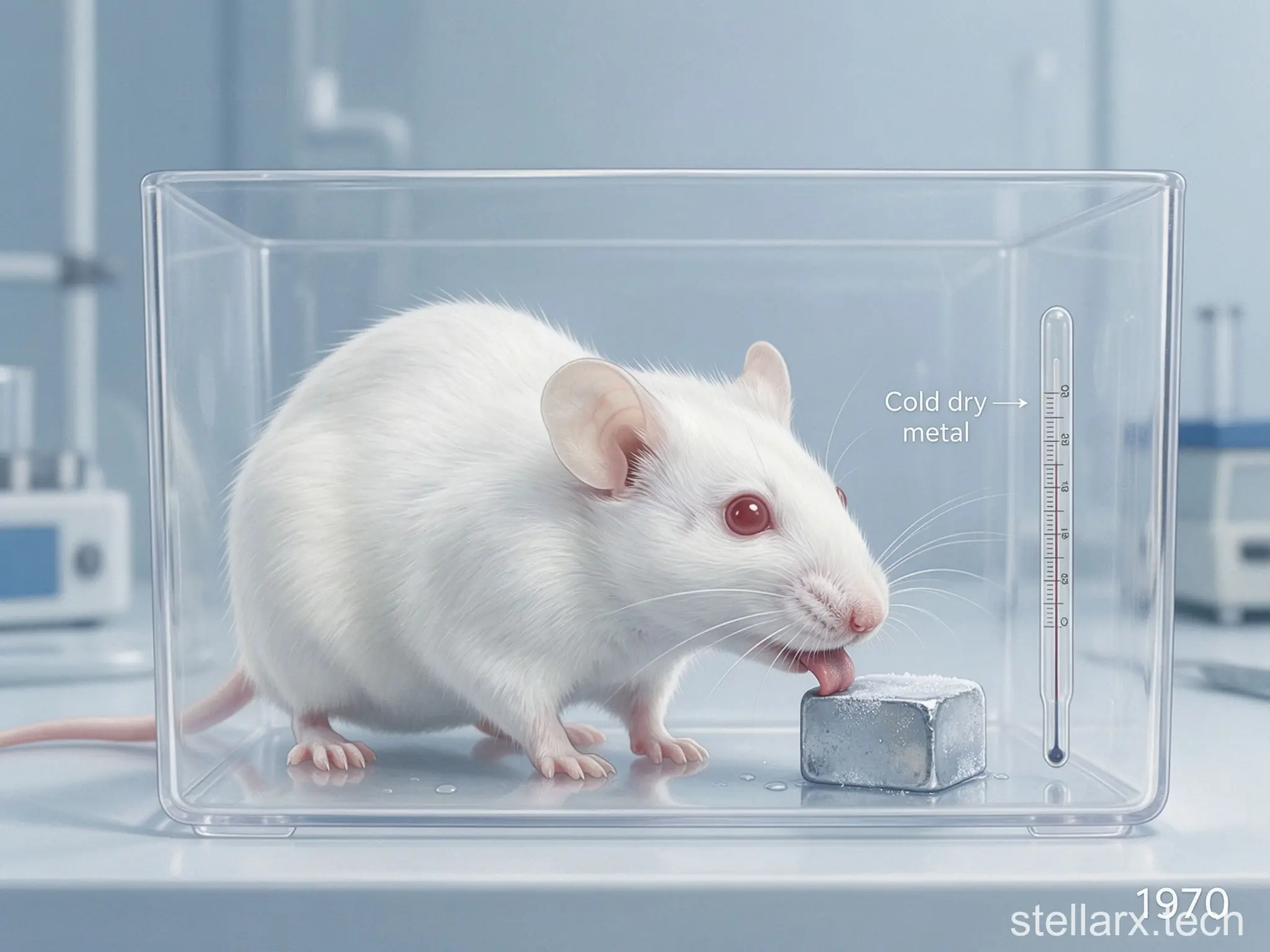
To rule out actual drinking, the researchers put a piece of cold, dry metal into the mouse's mouth for 30 seconds, with room-temperature metal as a control. Contact with the cold metal alone was enough to rapidly suppress the thirst-promoting neurons. Room-temperature metal did not have the same effect.
The behavior had been noticed decades earlier. In 1970, researchers found that thirsty rats would repeatedly lick cold, dry metal even though there was no water on it — and hamsters raised with no normal drinking experience preferred cold metal over room-temperature metal too. The 2016 recording finally showed why: the mouth's temperature and wetness signal feeds straight into the thirst center.
The mouth is the first checkpoint
A mouth must stay wet to work. Saliva is produced at about 0.3–0.4 mL per minute during waking hours — roughly 0.5 to 1.5 liters a day. It lubricates the tongue, the cheeks and the teeth, buffers acid, and carries the calcium and phosphate that maintain the enamel's mineral balance. When saliva output is impaired, people get oral discomfort, trouble swallowing, more cavities and mucosal infections.
This is why talking a lot makes you feel thirsty while you have hardly lost any water: mouth-breathing and speech dry out the oral surface, and the dry-mouth signal fires long before the body actually needs fluid. Re-moistening the mouth — even a lozenge — is enough to clear it.
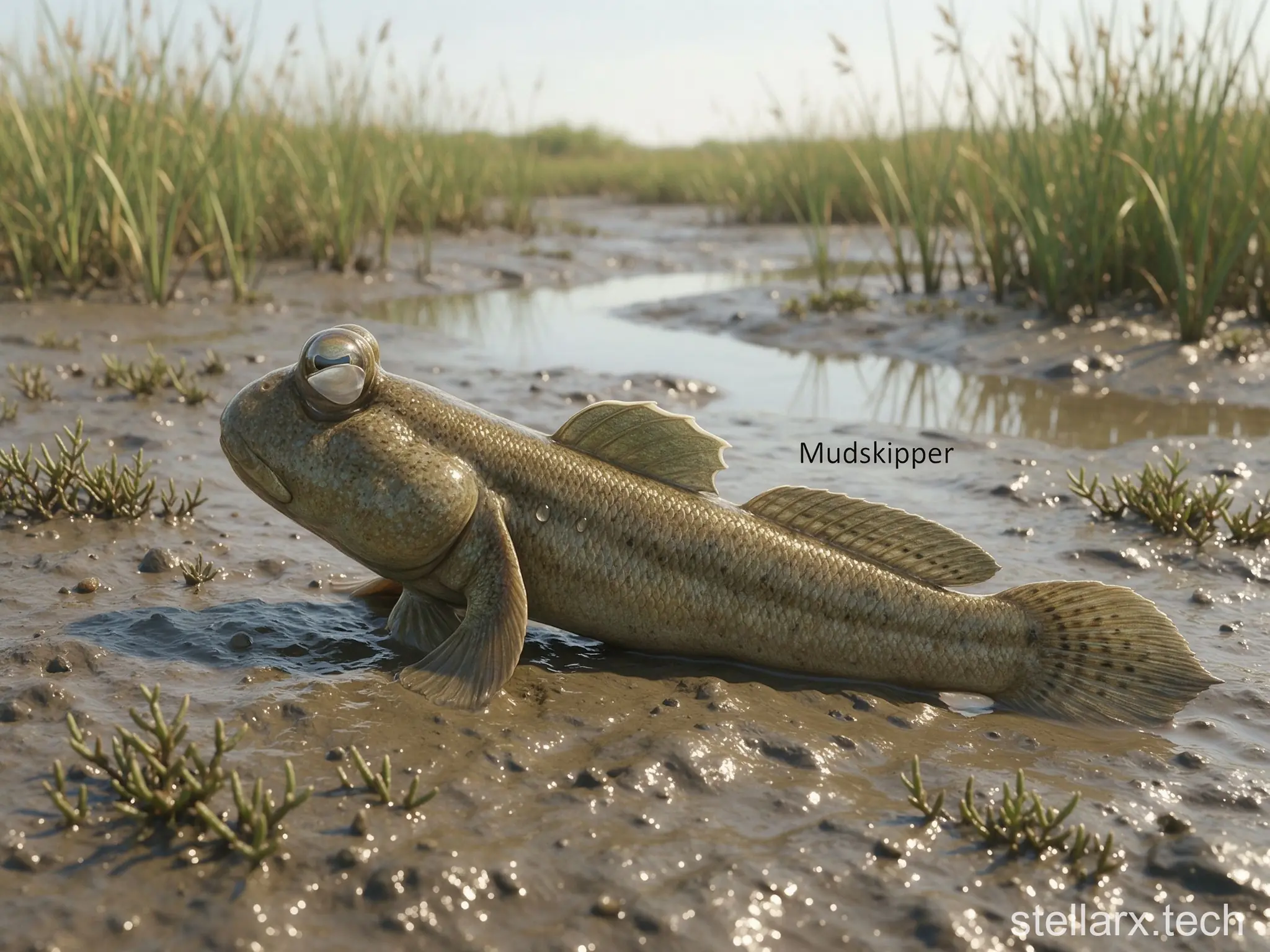
The same "keep the openings wet" logic runs through the whole body, and evolution shows how seriously it is taken. Mudskippers, amphibious fish that left water for land, barely blink while submerged but blink actively on land — and blink more when the evaporation rate is raised. Most ordinary bony fish have no real eyelids at all. The mudskipper evolved an eyelid-like structure because an exposed, dry cornea stops being an optical surface.
Three checkpoints: the mouth, the gut, the blood
So why does the brain trust a mouth so early? Because thirst is solved on a pre-order, not on delivery.
The mouth and throat are the receiving dock — they count what goes in: temperature, wetness, number of swallows. The gut is the warehouse unpacking the shipment: it measures osmolality and reports what the incoming liquid is actually worth. The blood is the monthly inventory — the most accurate accounting, but far too slow to run a living body on.
A body that lived on the monthly inventory alone would already be dead of thirst before the spreadsheet closed. The mouth's early signal is what makes the system fast enough.
That is also why cold water feels more quenching. The 2016 paper explicitly notes that the SFO neurons receive oral input, which is a direct place for the mouth's temperature difference to land. One mechanism — oral input altering thirst-neuron activity within seconds — is directly supported by the recordings. Two further explanations remain hypotheses: cold itself giving a stronger signal through oral cold-sensing pathways, and cold water staying in the mouth and throat longer or being swallowed differently, changing the swallow count. Both are unproven; the safe statement is that cold water quenching is real, not psychological — but pinning it to one specific temperature receptor is beyond the current evidence.
Two kinds of real thirst
When the mouth trick stops working, you are dealing with genuine thirst, and there are two distinct kinds.