Your Uncle Florida Softshell can hand European colonists a small, deeply personal turtle shock, share a nest with an alligator, and still find time to moonlight as a century-old “turtle spirit” for roadside scammers. Can your hard-shell turtle kid do any of that?
The Florida softshell even pulled off one of only two reptile strikes that have ever damaged a US aircraft. Truly the glory of the reptiles.
Europe barely has any soft-shell turtles at all — only hard-shelled, sweet-tempered ones. So the first Europeans to meet a Florida softshell were genuinely shaken: how on earth can a turtle be this fast and this evil-looking?
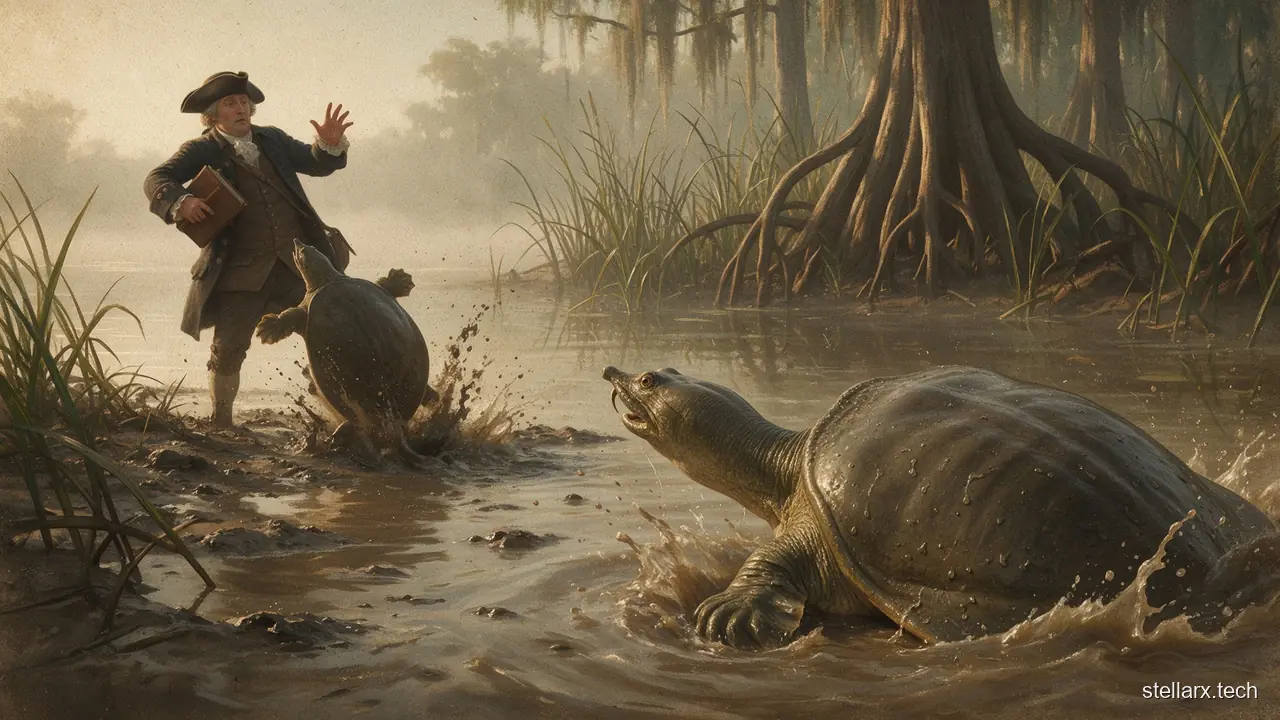
“In these rivers, lakes and ponds, and in all of East Florida, live enormous soft-shelled turtles. ...” — that is how William Bartram, the first person to describe the species properly in the field, opened his account in Travels Through North & South Carolina, Georgia, East & West Florida.
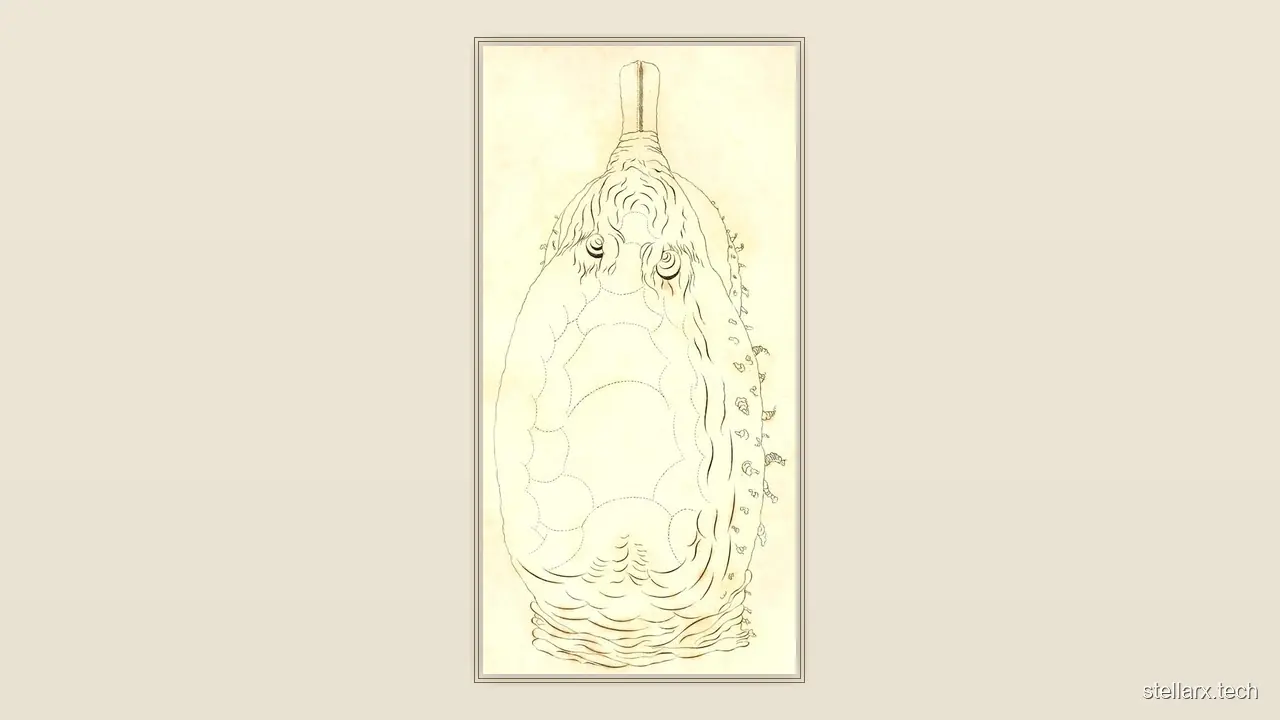
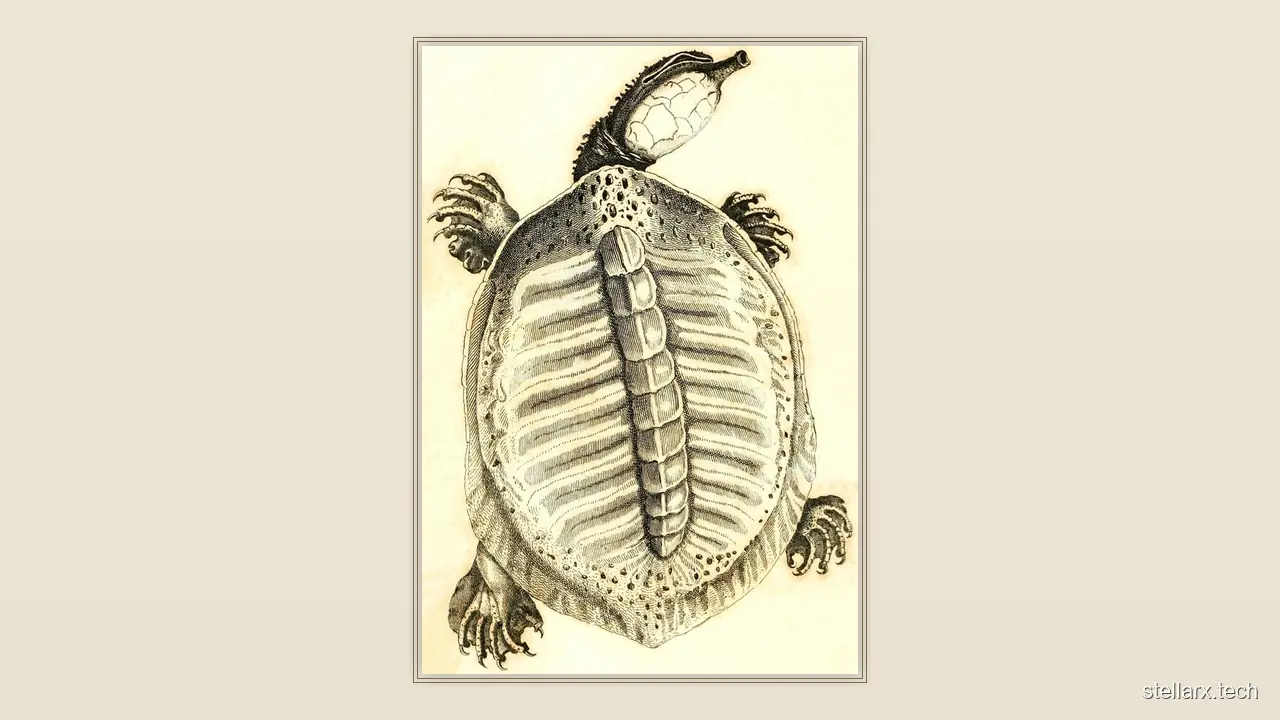
What he actually wrote down is worth keeping in full: “Their bodies are flat and very thin; two feet and a half long and eighteen inches broad at the back; in shape, appearance and texture very like a sea turtle: the whole shell, except the spine (or ridge) which is not prominent, and the ribs on either side, being soft or cartilaginous, and boils easily into jelly. The front and rear edges of the shell seem to rise into round horny warts or knobs. The belly plate is smaller and half cartilaginous, save for one narrow hard bony bar joining the shell at both ends; the head is large and club-shaped, almost oval, yet the upper jaw juts forward and cuts off, somewhat like a pig's snout, and the nostrils sit at the very tip of that long snout; on both sides of the base of the snout are its large eyes; the upper beak is hooked and sharp, exactly like an eagle's — the lips and the corners of the mouth are huge, swollen, wrinkled, and carry long pointed fleshy spines (warts), which the creature can extend and retract at will, and which make it look repulsive and hair-raising.
“They bury themselves in the muddy silt at the bottom of rivers and ponds, hiding under the roots of irises and other aquatic plants, leaving only a hole just big enough for the head to move; when hungry they lie in wait in these places and take their prey by surprise — shooting the head out with the speed of lightning and clamping down hard on careless animals that wander into reach: their necks stretch to a startling length, which lets them grab small water birds swimming on the surface above and drag them into deep water in an instant.”
Which is why the first scientific name pinned on the Florida softshell was Testudo ferox. In Latin, ferox means fierce, wild, savage. It also vents a stink from anal glands when cornered, which only adds to the savage impression — although, to be fair, the common grass turtle can do that too.
And somehow, in a US Department of Transportation report covering twenty-five years of wildlife strikes, a softshell also hit an aircraft, and one of those strikes caused damage. The only other reptile strike that caused damage was an American alligator — as the table below shows (turtles are everywhere in the data, but they damaged nothing).
What can I say? Mamba out.
| Wildlife group or species | Reported strikes | With damage | Negative effect on flight | Aircraft down time |
|---|---|---|---|---|
| Florida soft shell turtle | 10 | 1 | 1 | — |
| American alligator | 19 | 1 | 2 | 3 hours |
| Turtles, all species | 183 | 1 | 4 | — |
| Total reptiles | 223 | 2 | 10 | 3 hours |
| US Department of Transportation, 25-year totals 1990–2014. All 183 turtle strikes produced exactly one damage report, and it came from a Florida soft shell turtle. | ||||
Speaking of alligators, there is another side window onto the Florida softshell's ridiculous adaptability — scientists have long known these turtles are smart. When alligators are around, softshells often lay their eggs inside alligator nests, borrowing the big reptile's authority to keep raccoons and other egg thieves away. It may also just be what you do when you are stuck in the same pond as an alligator.
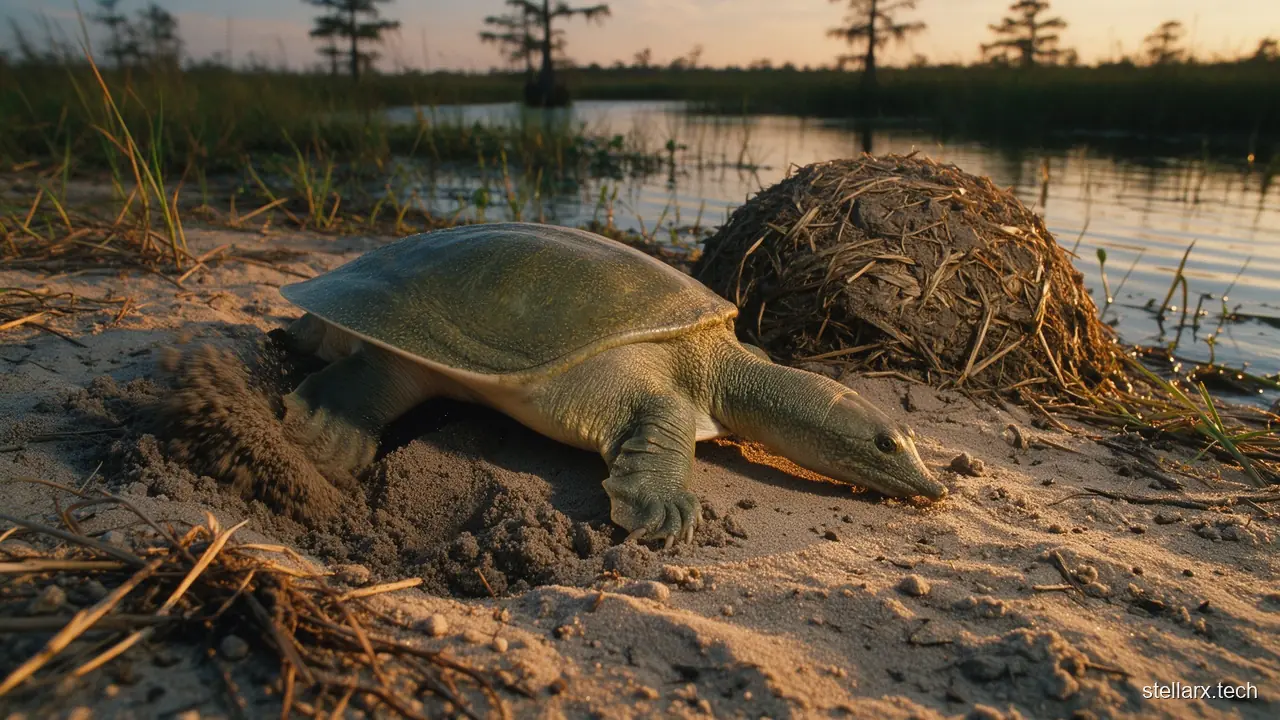
“The female leaves the water during the day and lays her eggs in sand or well-drained soil, but will sometimes use a freshly built alligator nest. This habit may serve to exploit the female alligator's defence of her nest, and so reduce the threat from predators. The nest is dug with the hind feet, and can be up to 14 cm deep and 10 cm in diameter.” — Animal Diversity Web.
New York Harbor also turned up a live Florida softshell in 1999. It was very likely a victim of a “release ceremony”, and it briefly tolerated salt water — but even a softshell's adaptability has a ceiling, and serious cold is past it.