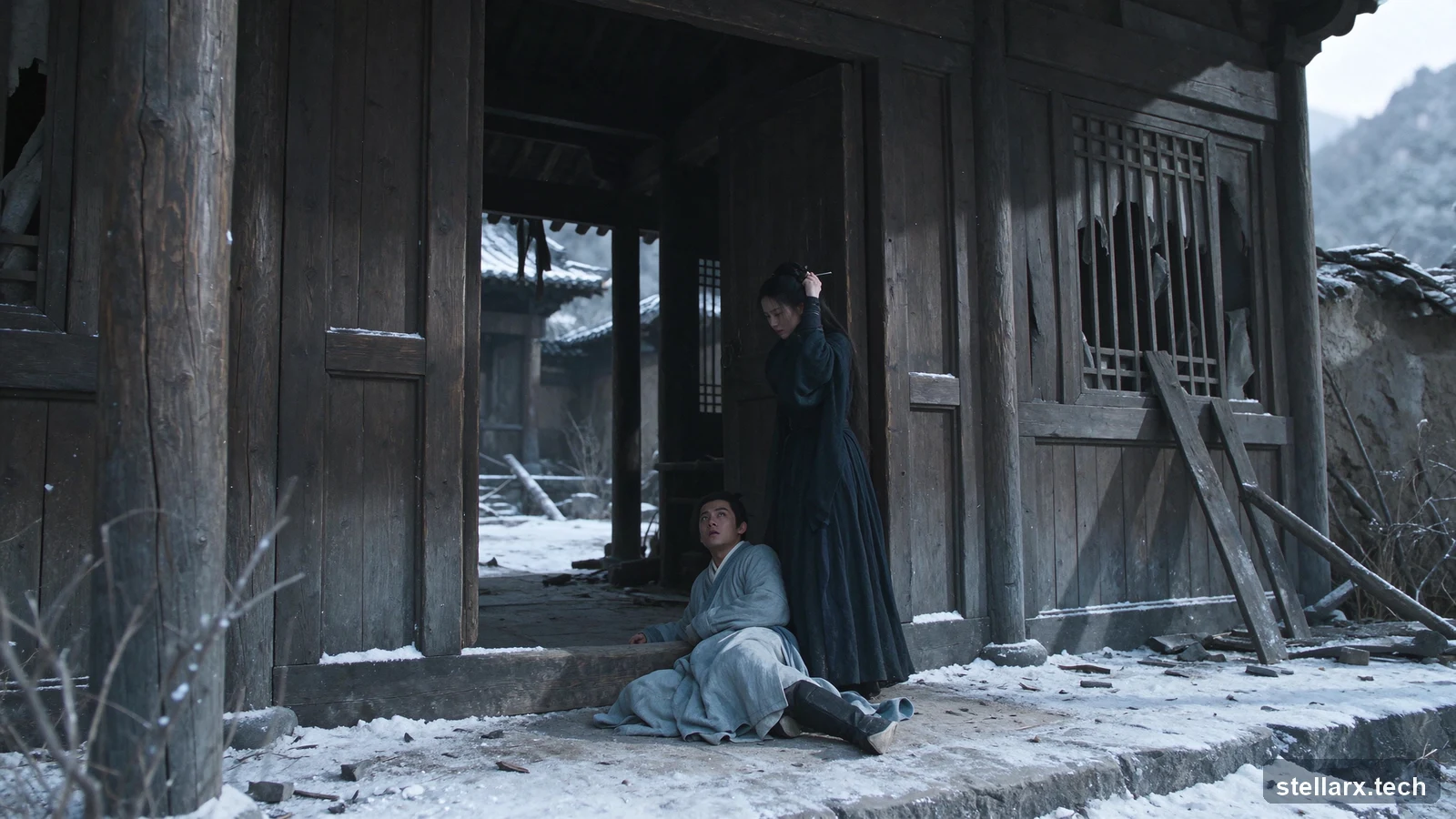
This autumn, BookTok romance keeps circling the same debate: is the man at the heart of the story a heartbreaker, or something worse? The "villain era" romance wave has turned readers toward anti-heroes, possessive love interests and dark revenge romance, and the shelves are full of books where the hero hides a cruel streak behind a brooding face. On the supply side, the trend has real numbers behind it: by the end of 2025, Chinese online literature had exported more than 130,000 works overseas, with roughly 250 million registered readers abroad across more than 200 countries and regions.
Most of these stories let you spot the dangerous type early. He slams doors, he glares, he forgets your birthday on purpose. Then there is the other kind — the one who never does any of that. The one who cries on your shoulder, calls you sister, swears he owes you everything. That is the character this article is about, and the argument is simple: he is not just a player, and he is not even the obvious villain this villain era romance keeps romanticising. He is a gentle killer, and the worst damage lands where you least expect it to.
What a "gentle killer" actually looks like
The player version of a bad love interest is blunt: he cheats, he lies, he leaves when it costs him something. You can read him in an afternoon, and you can leave in an afternoon. The gentle killer works differently. He keeps the killing toolbox closed: no public rage, no open insult, no scene anyone can quote back to him. His weapons are softer, and that is what makes them hard to file under abuse.
He uses three things in rotation. The first is the vow: "wait a little longer, I will make it right." The second is circumstance: every cruelty is blamed on pressure he claims he cannot control. The third is the tear, the small show of grief that makes you feel cruel for even asking for what you were promised. None of these threatens you directly, which is why they survive decades longer than an open fight. A player burns you; a gentle killer wears you down until you call your own defeat fate.
A pig-butchering wife, a top scholar, and twenty years of waiting
The book is Willows Reflect the Chill of Spring, a rebirth revenge romance told in the first person by a woman named Yingchun. For twenty years she was a concubine in the Liu household. Years earlier, she had slaughtered pigs for ten years to earn her man's travel money to sit the imperial examinations, standing by him when they had nothing. He passed, became a top scholar, and then was forced by political pressure to marry a high official's granddaughter as his principal wife.
"Yingchun, wait a little longer. In the future, I will definitely make you my principal wife." She waited twenty years. She waited while the First Madam whipped her until her back was covered in welts. She waited while their son was taken away to be raised in the main room, while her own daughter grew estranged and cursed her to die. She waited until he finally gave her the title that was rightfully hers — and until he wept bitterly at her death and even killed himself at her grave, full of regret.
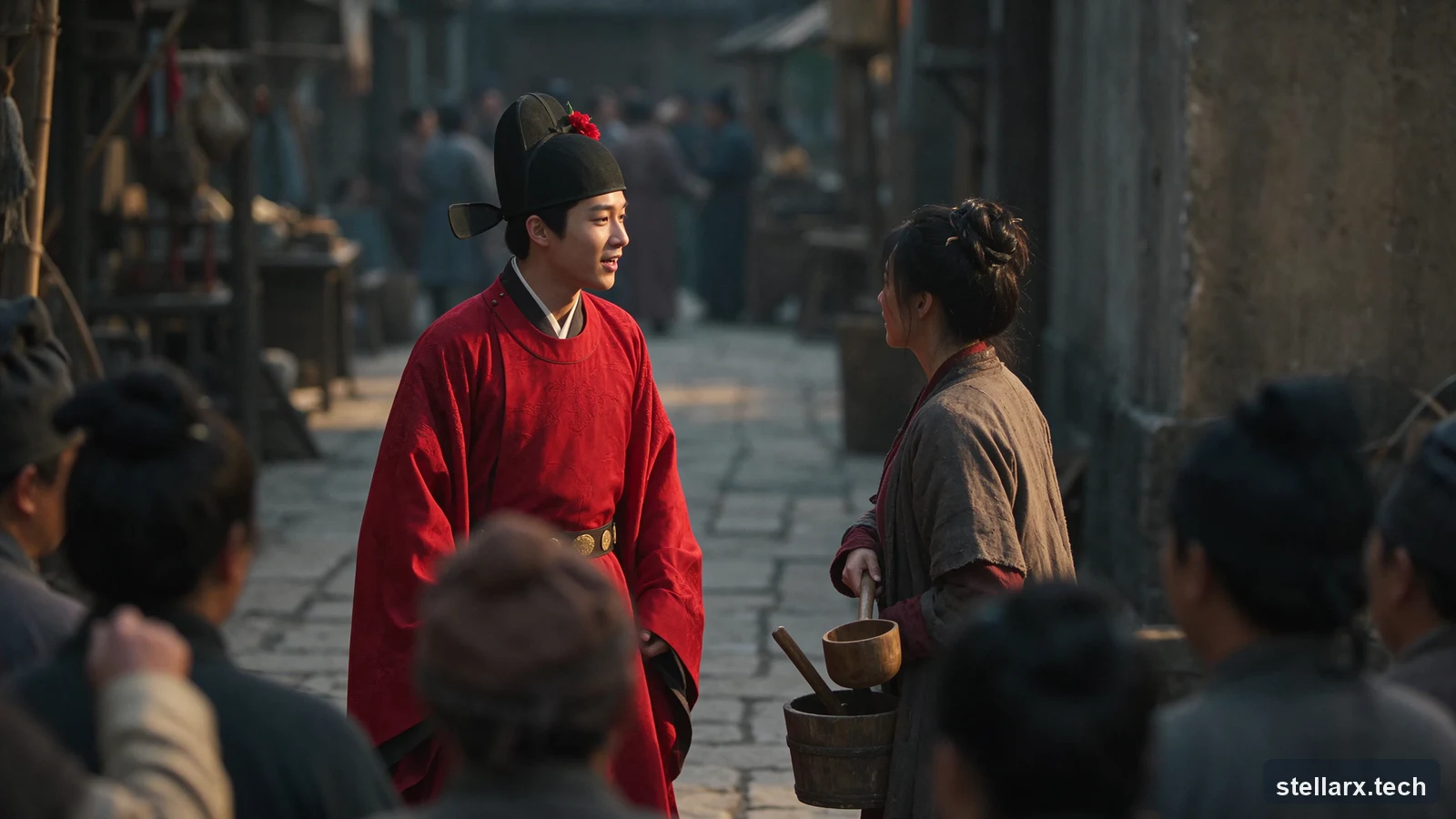
By then, she no longer needed any of it. She opens her eyes again, returned to the day they first reunited in the capital in her past life. He stands there in his official robes, black gauze hat draped in red, and warmly invites her to his residence. This time she steps back, holding the latrine scoop in her hand. "My lord, you jest. I am lowly and unworthy of you. If you truly wish to repay me, simply return the money I once gave you."
Where the killing really happened
The flashback that follows is the book's core, and it is worth reading closely because none of it happens at sword point.
Five months pregnant, she is told the Grand Secretary has forced him to marry his granddaughter, and that she must be patient. Once he is independent, he says, he will make her his principal wife; the lady comes from a scholarly family and will not mistreat her or the child. The lady does not beat her openly. She simply takes the newborn son into her own room to raise, and while Yingchun is exhausted from childbirth and breastfeeding, herbs are added to her pregnancy-supporting soup that make her son born larger and her own body torn apart. When the First Madam is pregnant herself, his last bit of kindness toward Yingchun vanishes: why is she so troublesome during pregnancy, while the First Madam stays carefree and smiling?
Then the coldest turn. Their eldest son cannot be the son of a concubine, he says; the First Madam has just had a daughter and is low in spirits, so why not swap the boy and the girl? Yingchun kneels outside his room for three days and three nights, begging him not to take her child. He finally comes out, wipes the last tears from her eyes, and asks whether she can bear to see their son carry the name of an illegitimate son for life, unable to inherit anything. When she shakes her head, he helps her up — coldly — and tells her to see the situation clearly. Her future is settled; does she want her son's future settled too? Does she want her son to hate her? In the thick snow, she murmurs that so her future was already sealed, so she is meant to be a lowly concubine all her life. He does not help her up. "Yes," he says. "Aunt Shen, accept reality."