Why Does This Teriyaki Look More Like American Fast Food?
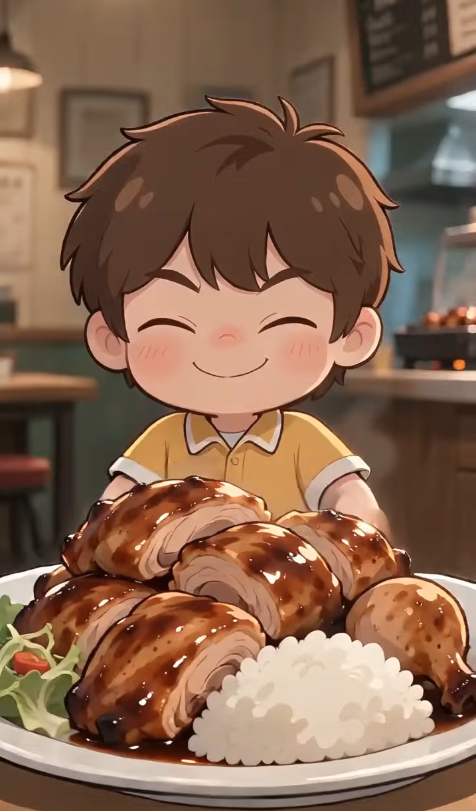
Glossy sauce, generous pieces of chicken, a large serving of rice, and a simple side salad.
When you see the word “Teriyaki,” Japanese cuisine naturally comes to mind.
But in Seattle, teriyaki has evolved into something quite different.
Instead of being limited to traditional Japanese restaurants, it is often served as a quick, affordable, and generously portioned meal.
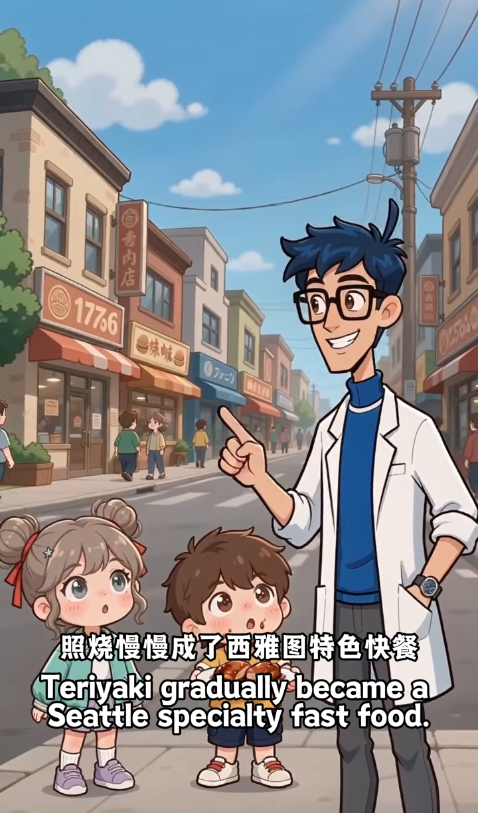
For many Seattle residents, teriyaki is as familiar an everyday fast-food choice as burgers or pizza.
Which raises an interesting question:
How did Japanese teriyaki become fast food in Seattle?
What Did “Teriyaki” Originally Mean?
The word “teriyaki” comes from Japanese.
“Teri” refers to the glossy appearance created on the surface of food, while “yaki” refers to grilling, broiling, or cooking over heat.
Traditionally, teriyaki is therefore better understood as a cooking technique rather than one specific dish.
During cooking, ingredients are coated or glazed with a sweet and savory seasoning typically built around ingredients such as soy sauce and sugar, creating a characteristic glossy finish.
Fish, chicken, and other ingredients can all be prepared using similar techniques.
In other words:
Teriyaki was originally not a fixed rice-bowl recipe—it was a way of cooking food.

Why Did Teriyaki Change After Arriving in America?
When food travels from one country to another, it rarely stays exactly the same.
As teriyaki entered the American food scene, it began adapting to local eating habits, available ingredients, and fast-food culture.
Compared with more traditional Japanese presentations, American-style teriyaki often emphasizes:
larger portions of meat, richer sauce, plenty of rice, and a simple combination-meal format.
Chicken works especially well for this style.
Grilled chicken can be sliced into generous pieces, covered with a rich sweet-savory teriyaki sauce, and served over or alongside rice to create a quick and filling meal.
As a result, teriyaki gradually evolved from a cooking technique into a recognizable fast-food meal of its own.

Why Seattle?
Seattle’s location and multicultural history created an ideal environment for this transformation.
As a major city on the U.S. West Coast, Seattle has long been influenced by Asian immigration and Asian food cultures.
Japanese, Korean, and other Asian culinary traditions have interacted here and gradually become part of everyday local dining.
By the late 20th century, affordable restaurants serving combinations of teriyaki chicken, rice, and salad began appearing across the city.
The formula had several obvious advantages:
fast service, generous portions, affordable prices, and flavors that could appeal to people from many different backgrounds.
Over time, “Seattle Teriyaki” developed an identity of its own.

Why Is 1976 Often Mentioned in the Story of Seattle Teriyaki?
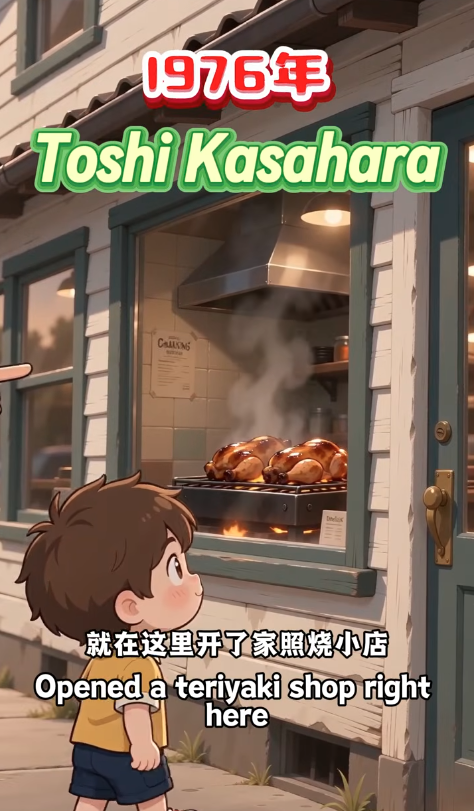
When discussing the history of Seattle-style teriyaki, 1976 is a year that frequently appears.
Early teriyaki restaurants emerging around this period are often credited with helping establish the fast-casual model that would later become closely associated with Seattle teriyaki.
Simple storefronts, quick service, generous portions of chicken, rice, and salad—the format was perfectly suited to people looking for a fast and satisfying meal in the city.
When food is delicious, convenient, affordable, and filling, it has all the ingredients needed to spread quickly.
More teriyaki restaurants followed, and the style gradually became part of Seattle’s everyday food landscape.