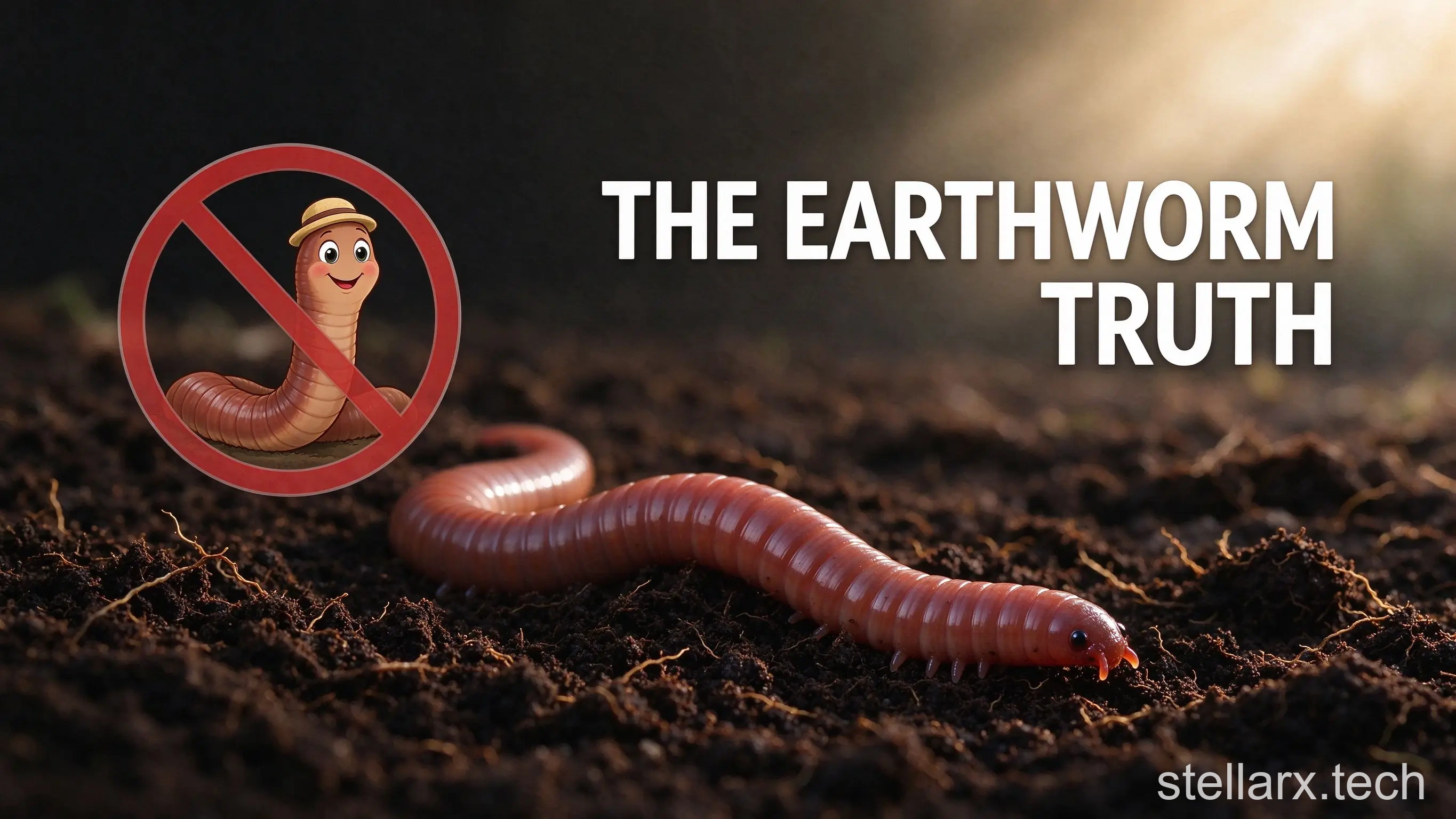
Every picture book draws the earthworm as a smiling little helper. Biology class calls it an ecosystem engineer. The fertilizer aisle sells its castings as black gold. One thing nobody ever checked: what happens when you drop this beloved "helper" into a flowerpot?
So here is the cold water first: if you compost for your vegetables and flowers, introducing earthworms into your soil is a high-risk move.
In a forest or a grassland, the worm earns its good name. Leaf litter falls without end, and predators — moles, wild boars, hedgehogs, frogs — keep its numbers in check. In that world the earthworm is neither good nor bad; it is one link in a food chain.
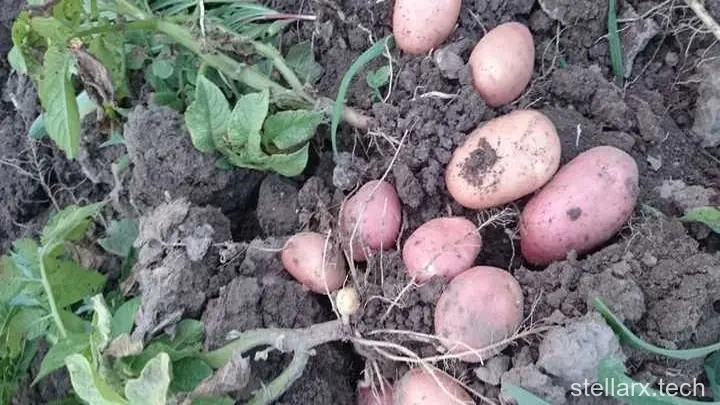
A vegetable patch is a different world. No endless litter. No predators.
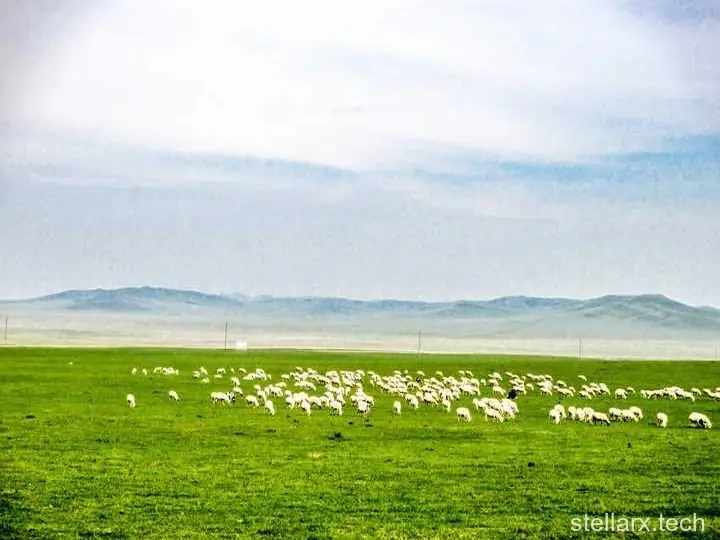
Remove those two conditions and the worm stops being a helper. It becomes an uncontrolled consumer of organic matter.
Its population can double within a month when food is plentiful. The tower you installed is a feeding station, not a quarantine zone — worms wander wherever organic matter is. When organic matter is abundant, they excrete what they failed to digest, and other worms eat those droppings too, until the soil's organic matter is driven to rock bottom and the population collapses from starvation.
The organic matter you add is supposed to feed soil microbes — microbes that unlock phosphorus and potassium plants can use. That is a virtuous cycle. But a worm's appetite dwarfs a microbe's. It swallows the carbon source and exhales it as carbon dioxide, straight into the atmosphere. That loss is permanent. Fewer microbes, and the worm cannot release phosphorus or potassium itself. The plant gets nothing but harm. Why pay a middleman to take a cut of your compost — and turn the rest into CO₂?
This is not alarmism; it is measured. In 2003, Desjardins and colleagues published a field trial from the Peruvian Amazon. They inoculated one plot with Pontoscolex corethrurus — an endogeic worm that lives inside the soil and eats soil organic matter directly, one of the most common species in tropical farmland and a favorite in worm-composting setups — and left a control plot untouched. Maize was planted for six consecutive years.
After those six years, the organic carbon stock in the top 0–10 cm of soil told the story:
Control plot (no worms): organic carbon down 4%.
Inoculated plot (worms): organic carbon down 27%.
The worm's rate of organic-matter consumption is astonishing.
Now the flowerpot. Every houseplant guide repeats the same advice: soil must be loose and airy. Loose and airy is a property of organic matter. Introduce worms, and they eat your organic matter all day, breed when full, and within a few generations the finite organic matter in the pot is gone. The soil turns poor and compacted, and you are repotting.
And this compaction is not ordinary compaction. Soil scientists have a name for it: the "cementification" of worm castings. In poor soil the worm ingests little organic matter, and the mucus and microbes in its gut over-cement what little humus there is. The ejected pellets dry into something extremely hard, with extremely low porosity.
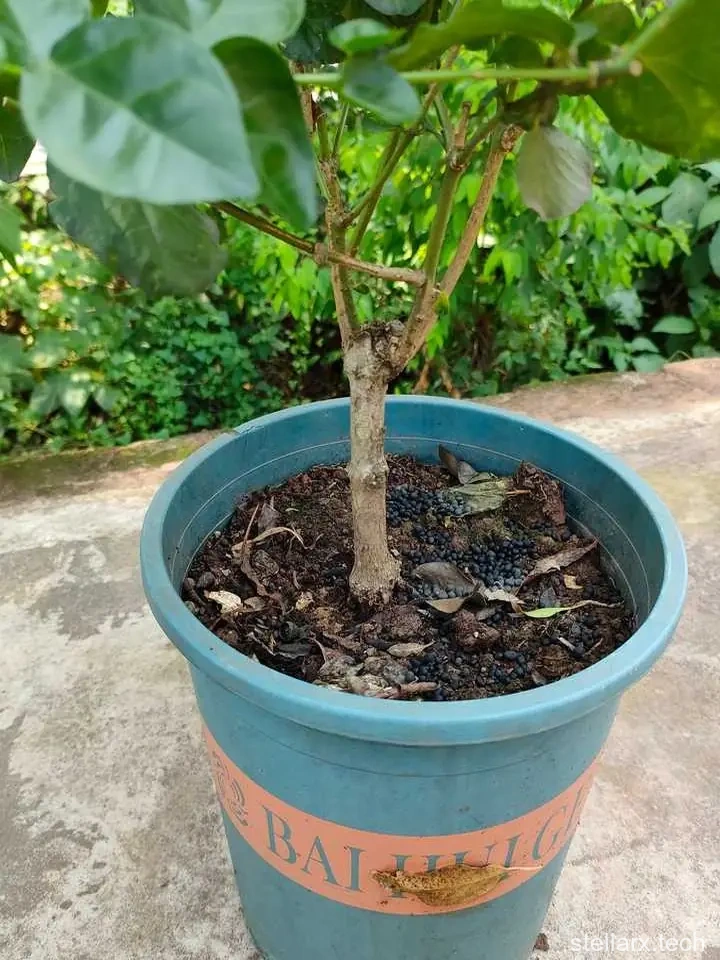
Once those pellets harden, microbes cannot get in, roots cannot push through, and even the next worm will not eat them. They just pile up, sealing off the pores, making the soil less airy than before.