The most frightening part of this story: the assistant who broke a test tube and died of plague is only one of many possibilities — the authorities have not confirmed anything yet.
Around October 3, reports emerged from Siberia: a young laboratory assistant had died, and local epidemic-prevention measures were launched. Nearly 200 people were placed under medical observation.
The Buryatia Travel Theory
According to the Ural news agency (ura.news), the assistant died of plague infection after returning from a business trip to the border area between the Buryat Republic and Mongolia.
The initial version of the story: the institute's female employee had returned from Buryatia shortly before falling ill. Media linked the possible infection to a trip to the area near Mongolia.
> "Первоначально одной из основных стала версия о том, что сотрудница института незадолго до болезни вернулась из командировки в Бурятию. СМИ связывали возможное заражение с поездкой в район неподалеку от Монголии."
Denial, the Russian Way
Buryatia's authorities denied this claim. But after ten years in Russia, the observer's rule of thumb is simple: the more loudly authorities deny something, the more likely it is to be serious. He points to the reporting around the Russia-Ukraine conflict as his example.
Tourist Corridors and a Visa-Free Month
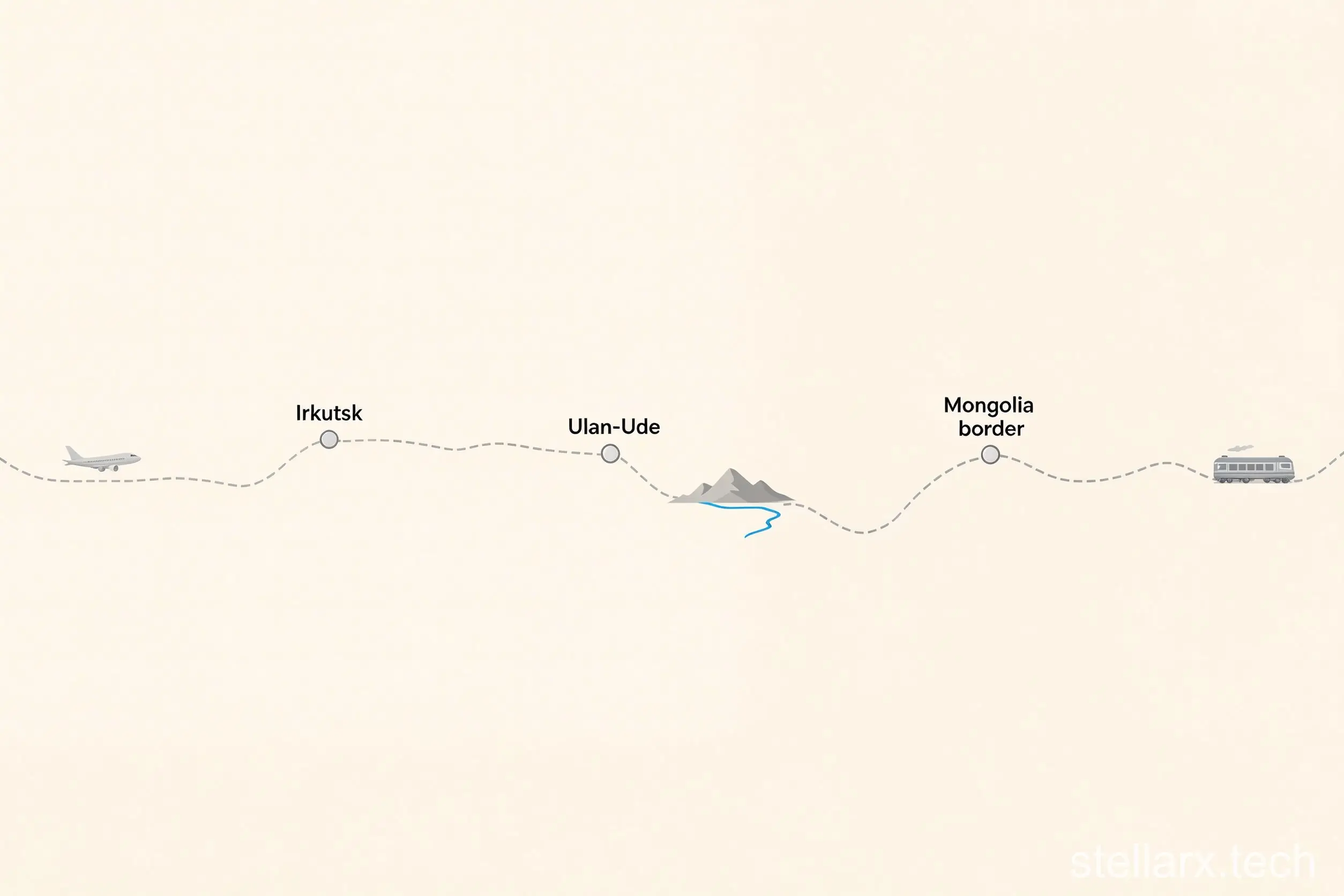
Irkutsk city and Ulan-Ude, the capital of Buryatia, are the two gateways for Baikal Lake tourism. Travel guides to Lake Baikal run through three routes: direct flights to Irkutsk; "a short getaway" from Beijing to Irkutsk; or the train from Manzhouli through Ulan-Ude to Irkutsk.
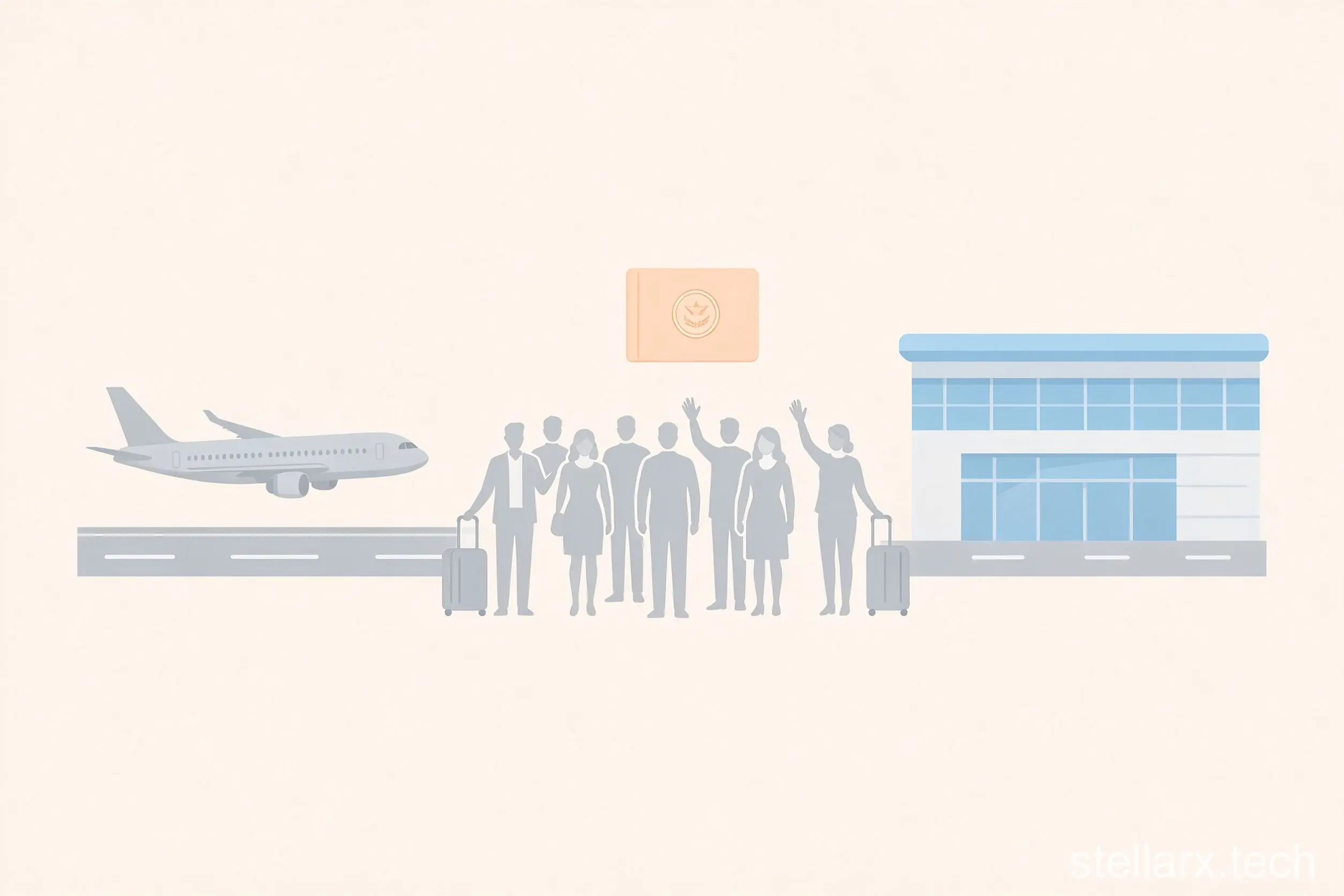
Now add two ingredients: the one-month visa-free arrangement between China and Russia, and China's seven-day National Day holiday. If the assistant really was infected during the Buryatia trip, the scale of the risk is almost unimaginable.
Local Lockdown Measures
Some cities in the region have already started responding. The Irkutsk Aluminum Plant (IrkAZ) in Shelekhov has introduced a mask mandate across its premises. Director Artyom Fominykh announced on October 3 on Telegram that the decision followed a confirmed case of a particularly dangerous infectious disease in the city.
> "Иркутский алюминиевый завод (ИркАЗ) в Шелехове ввел масочный режим на территории предприятия. Решение принято после того, как в городе подтвердили случай заражения особо опасной инфекцией."

Given how the Russian pandemic response played out over the last years, the question is whether these measures will actually hold.