If you have ever stood in front of a mirror after pregnancy and stared at thighs that no longer fit your old jeans, you are not alone. For many women, that moment arrives when the zipper stops halfway — and the first feeling is frustration.
What if that frustration is pointed at the wrong thing?
The fat stored on your thighs is not a failure of willpower. It is one of the most metabolically protective tissues in your body — and the evidence for that has been building for years.
The Fat Your Body Stores on Purpose
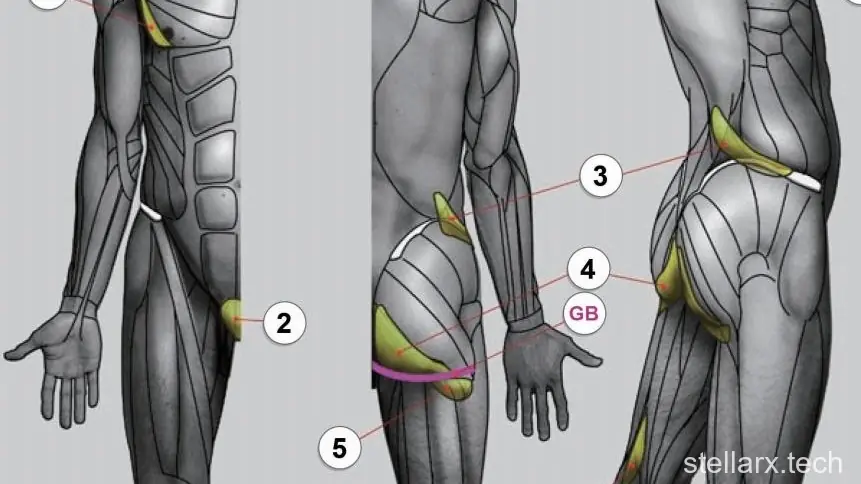
A prospective study tracked 557 healthy women from before pregnancy through week 35. In the first few weeks, subcutaneous fat changed very little. But from week 6 to week 35, thigh skinfold thickness increased by an average of 7.3 millimeters — more than at the triceps or several other measurement sites.
That fat does not wander. It sits quietly in reserve, waiting for late pregnancy and breastfeeding. Then it is gradually mobilized: partly to meet the energy needs of the developing fetus and infant, and partly to provide a stable fuel supply for the mother through nursing.
Your body is not being careless. It is making a deposit.
[
Why Thigh Fat Protects You
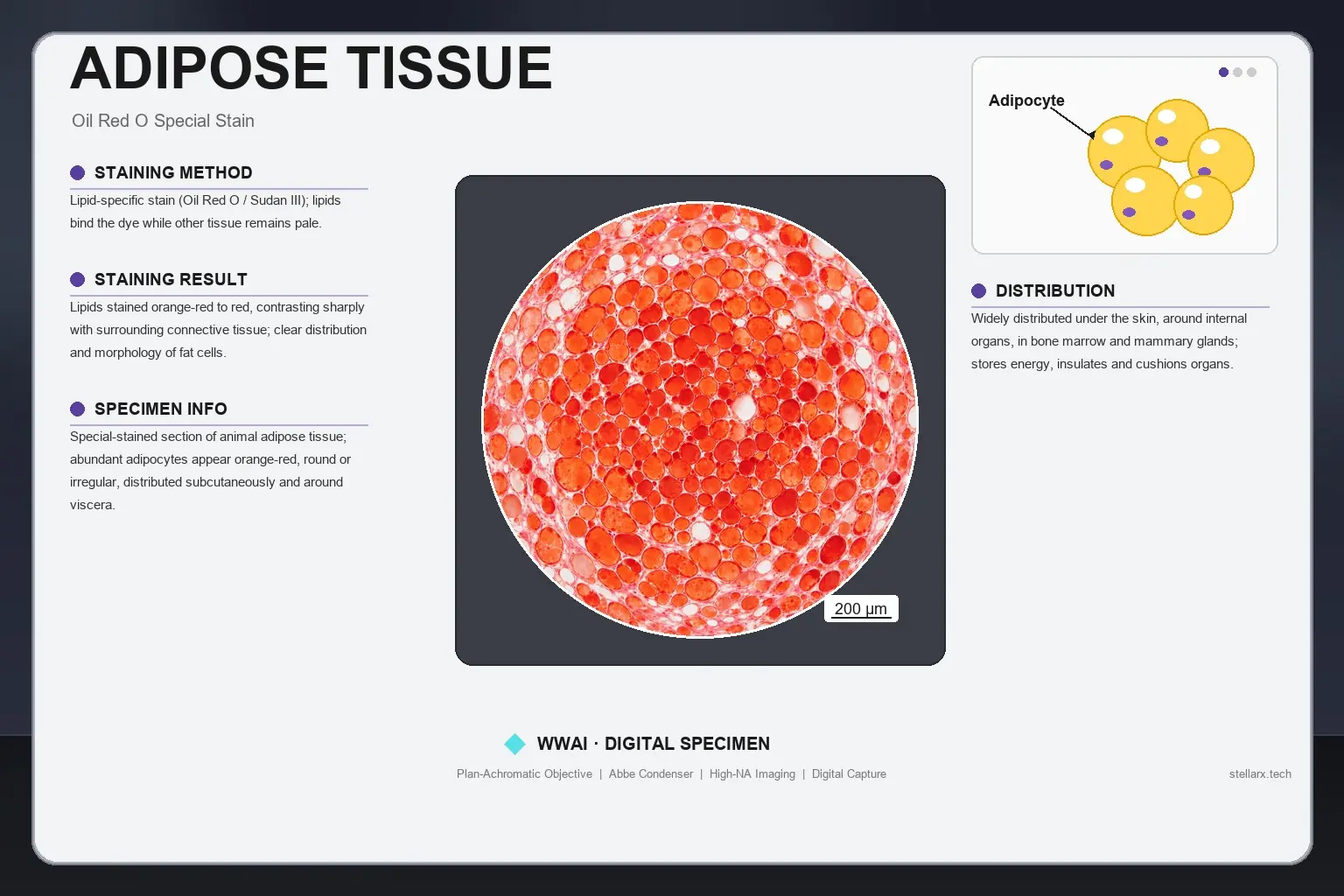
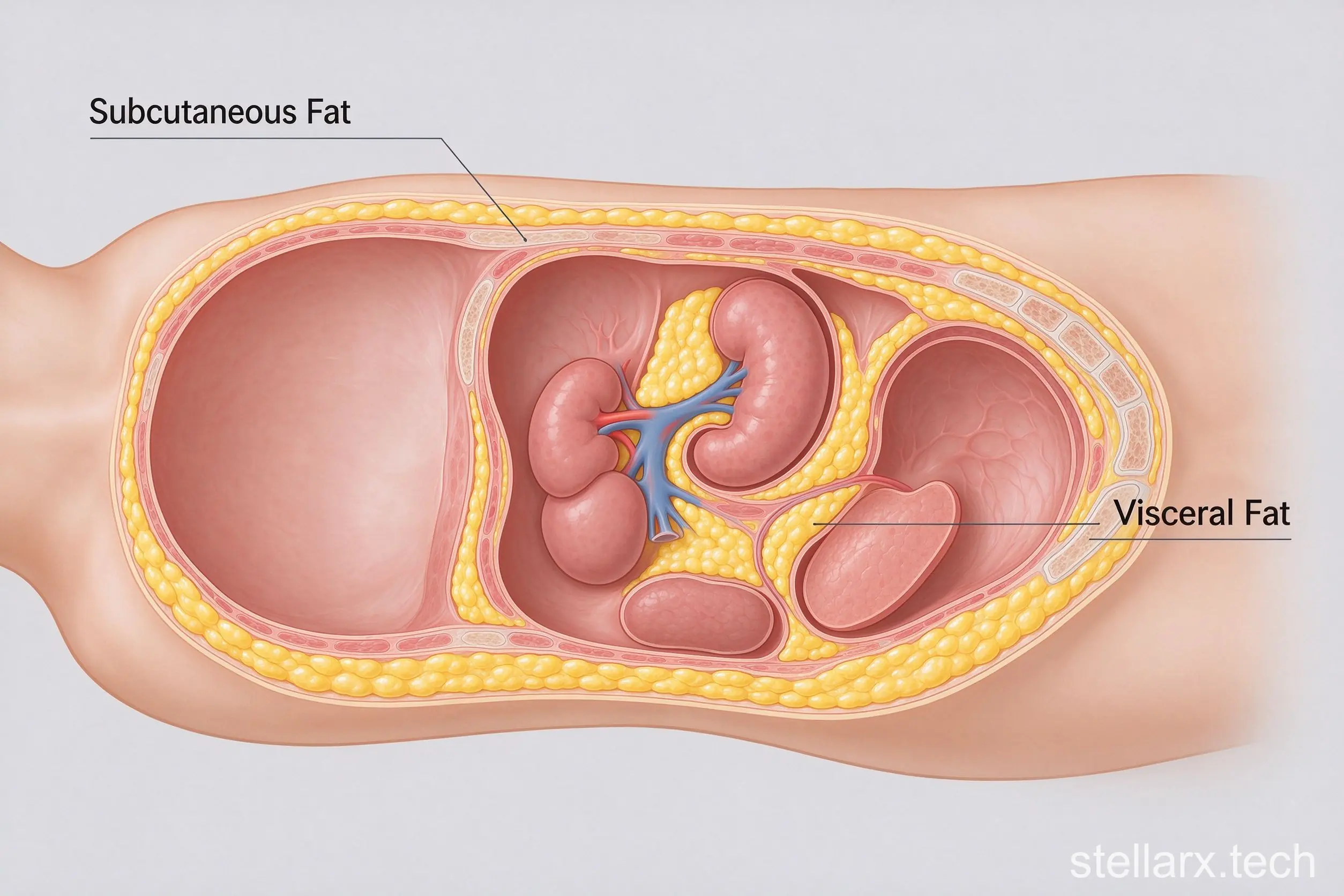
Subcutaneous fat on the hips and thighs has a defining characteristic: it releases free fatty acids slowly. That makes it a stable, long-term energy reservoir — unlike abdominal fat, which tends to dump lipids into circulation at the smallest signal of stress.
Fat that stays put is fat that cannot cause trouble elsewhere. When excess calories are safely locked into gluteofemoral subcutaneous depots, they are less likely to land in the liver, pancreas, or around the heart — where ectopic fat drives insulin resistance, type 2 diabetes, and cardiovascular disease.
A 2024 review and a 2026 Annual Review of Nutrition summary both reach the same conclusion: even after accounting for overall obesity, greater storage of fat in the hip and thigh region is consistently associated with better metabolic health. People with higher leg fat tend to have healthier lipid profiles and higher levels of high-density lipoprotein — the "good" cholesterol.
A Chinese survey of more than 9,000 people found a significant association between thigh circumference and blood pressure: regardless of body weight or waist size, those with a higher proportion of thigh fat were less likely to have hypertension.
None of this means "the fatter the better." These are observational associations, not a license to ignore overall health. But they do deliver a clear signal — thigh fat is not the enemy.
The Muscle You Did Not Know You Were Building
Thigh size is not only about fat. It is also about muscle — and if you are a parent, you have been training your leg muscles without setting foot in a gym.
Lifting a 10-kilogram child from the floor is a functional weighted hip-and-knee extension. Standing up from the sofa while holding a baby is a weighted squat. Pushing a stroller uphill is resistance walking. Carrying a toddler in one arm and a bag in the other while climbing stairs recruits the glutes, legs, and core all at once.
Add dozens of daily squats to pick up toys, rise from a play mat, bathe a child, and buckle a car seat — and you have a training program most people would pay for.
For women after 30, this matters more than it seems. Skeletal muscle begins a slow decline around age 30 to 40, and because the lower body carries so much muscle mass, even a small loss is noticeable. Enough leg muscle does more than help you climb stairs: it reduces back compensation, raises baseline activity expenditure, and even improves how the body handles glucose.
Your Thighs Are Not the Problem
If your waist circumference, metabolic markers, and overall weight are within a reasonable range, and you have no abnormal swelling — then strong, muscular thighs with a healthy layer of fat are not a flaw. They are evidence that your body stored energy where it is safest, and built muscle where you need it most.