For most of the past half-century, the chronic liver disease weighing on Chinese hospitals was viral. Hepatitis B was the prototype and the main burden.
Then vaccination arrived at scale. Mother-to-child transmission was blocked. Antiviral treatment became routine. On the Chinese account of the shift, the country's viral hepatitis burden has improved markedly.
Something else has been growing into the space that left behind.
The disease that replaced hepatitis B
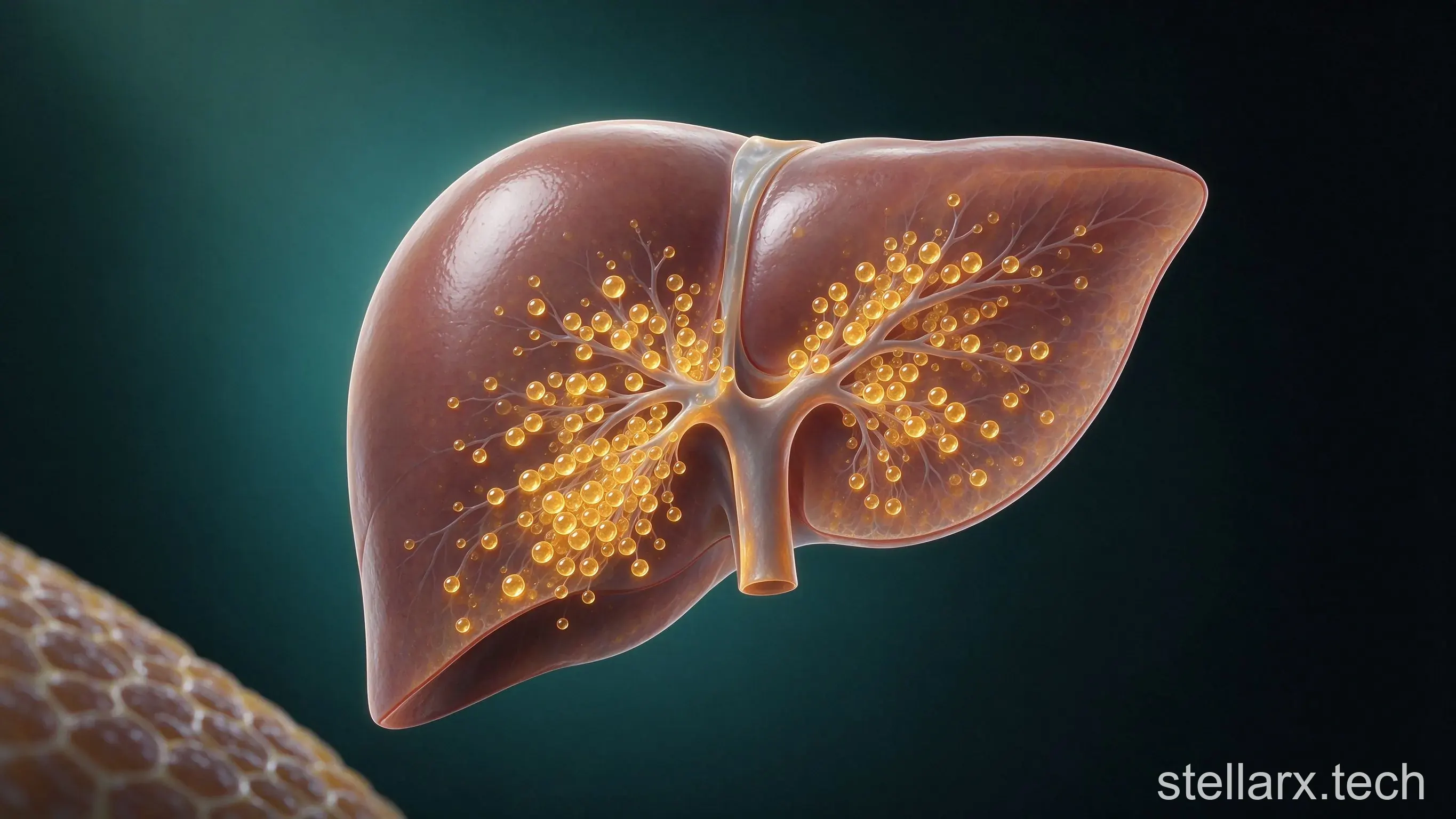
Lifestyles changed first. Excess weight and metabolic disease stopped being exceptional. The condition long nicknamed the "disease of affluence" — fatty liver — has now overtaken viral hepatitis as China's most common chronic liver disease.
Two figures mark the ground it now covers. The National Health Commission puts the combined overweight and obesity rate among Chinese adults at 50.7%.
In 2025, the primary-care guideline for metabolic dysfunction-associated steatotic liver disease (MASLD) estimated prevalence in the general population at about 29.7%. That is roughly three people in every ten.
Three in ten is not a rounding error, and it is not a sub-group. It is the population average.

| Population | What was measured | Figure |
|---|---|---|
| Chinese adults | Overweight plus obesity combined | 50.7% |
| General population | MASLD prevalence estimate, 2025 primary-care guideline | 29.7% (about 3 in 10) |
| 25,736 community adults | Steatotic liver disease detected, September 2026 study | 43.7% |
| Same cohort | MASLD among all participants | 39.5% |
| Over 16,000 children and adolescents with overweight or obesity | Fatty liver prevalence, 2025 study | 43% |
| MASLD: metabolic dysfunction-associated steatotic liver disease. | ||
What three in ten looks like on a slide
The name is literal. Fat accumulates inside liver cells, and the cells fill with clear droplets that push the rest of their contents aside. On a stained section the change is visible at low power, which is why the condition is so often found by accident rather than by intent.
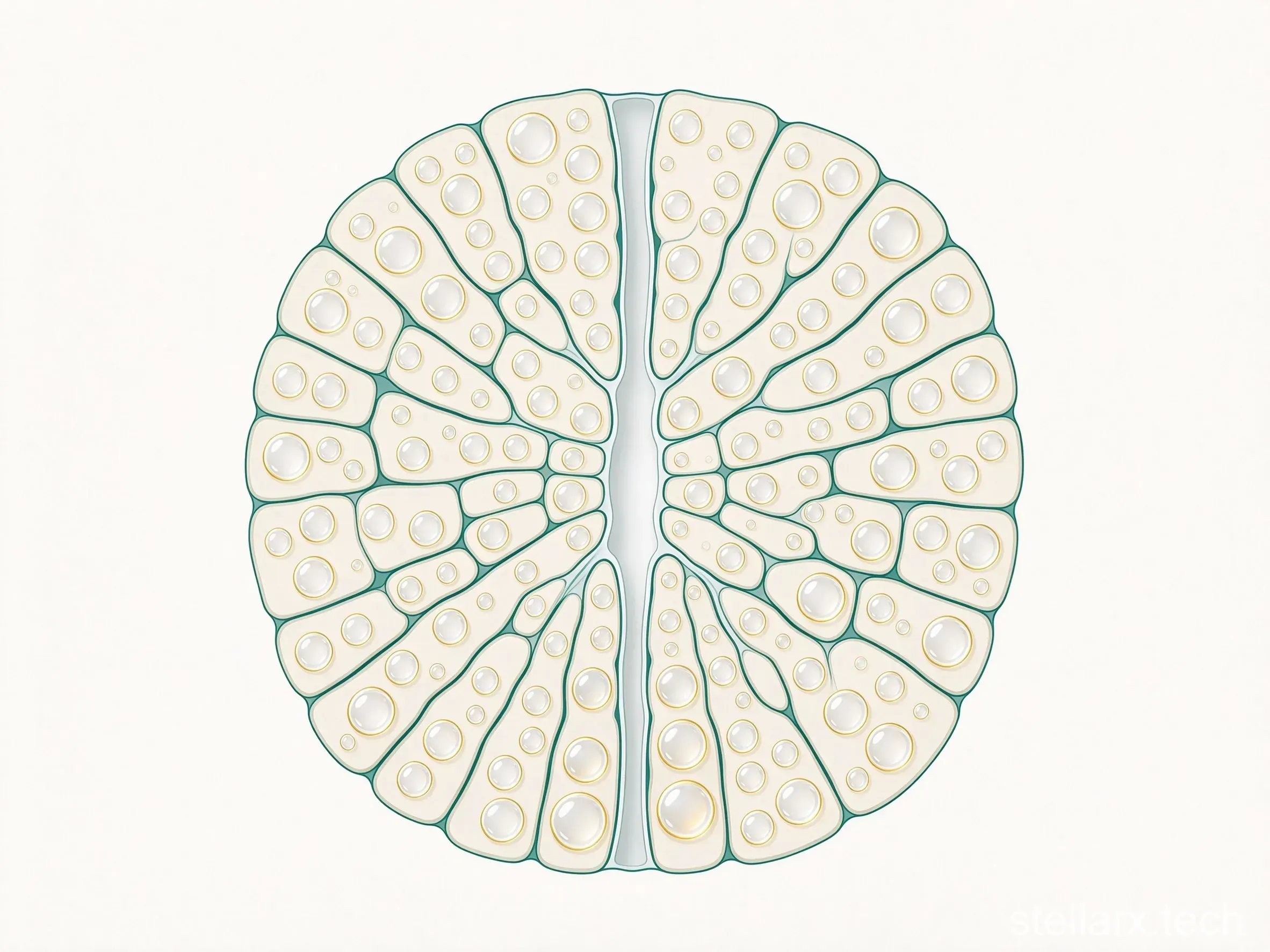
September 2026: 43.7% of 25,736 community adults
In September 2026, The Lancet Gastroenterology & Hepatology published a Chinese study that looked for liver fat in 25,736 community-dwelling adults. Steatotic liver disease was detected in 43.7% of them. Within that group, MASLD accounted for 39.5%.
The two figures are not describing the same thing. 29.7% is a prevalence estimate for the general population; 43.7% is what active screening found in a large community sample. Read together, they bracket how widely the condition is distributed.