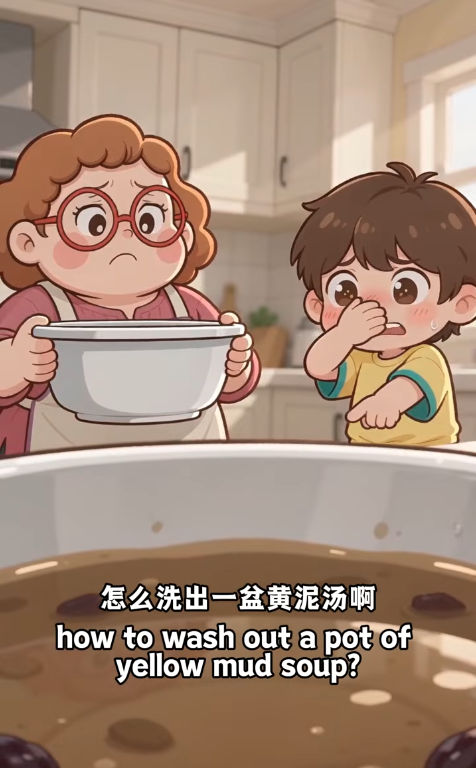
Do Wrinkled Raisins Really Mean They Are Dirty?
When people see the wrinkled surface of a raisin, a common first reaction is:
“Was this dried outside and covered in dust?”
And if raisins are washed and the water turns cloudy, yellowish, or brownish, it can seem to confirm that suspicion.
But the situation is not always that simple.
The surface of raisins may contain small amounts of dust, natural sugars, pigments, or other substances from the fruit itself, and processing methods can vary widely between products.
So you cannot judge all raisins as “dirty” simply because the washing water becomes cloudy.
How Do Grapes Become Raisins?
Raisins are essentially grapes that have lost a large amount of water.
Traditionally, grapes may be dried in the sun or in shaded drying environments. Modern food production may also use more standardized drying and processing methods.
As water is removed, the grapes shrink and wrinkle, while the sugars become more concentrated.
That is why raisins are much smaller than fresh grapes but usually taste significantly sweeter.
So the wrinkled appearance of raisins is simply a normal result of dehydration.
It does not mean the fruit is unclean.

Do Packaged Raisins Need to Be Washed Again?
The first thing to check is the packaging.
If you buy raisins in a sealed package and the label clearly says they are ready to eat, that generally means the product has already been processed and packed for direct consumption.
In this case, there is usually no need to wash them again.
This is especially true for small snack packs, trail mixes, and daily nut-and-fruit packs that are designed to be opened and eaten immediately.
If you soak or repeatedly wash these raisins, they may absorb water, become softer, and lose their original texture.
So the simplest rule is:
Check the label first.
If it says ready-to-eat, you can generally follow the package instructions.

What About Loose Raisins?
Loose raisins are a different situation.
If raisins have been exposed to an open environment for a long time, or if you cannot confirm how they were processed, transported, or stored, the surface may be more likely to collect dust or other impurities.
In that case, rinsing them with clean running water before eating can be a reasonable choice.
There is no need to soak them for a long time or scrub them repeatedly.
A quick rinse to remove visible dust or debris is usually enough.
After washing, drain them promptly so they do not remain wet for too long.
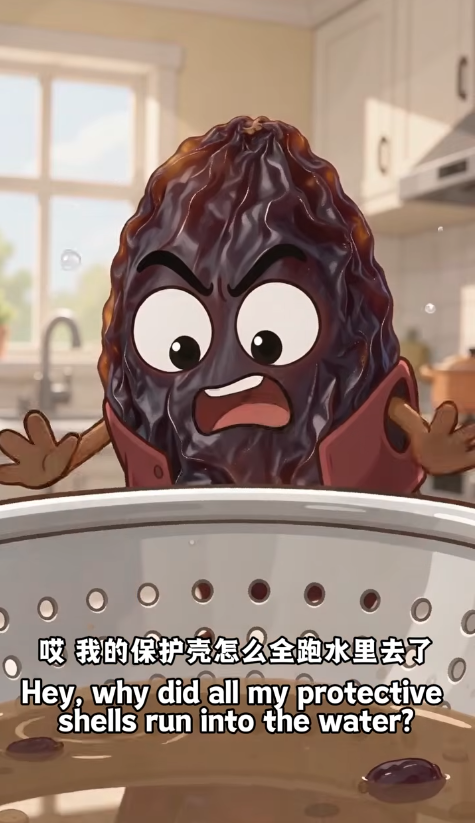
Why Does the Water Turn Yellow or Brown When Raisins Are Washed?
This is one of the most visually dramatic moments in the video.
Raisins are placed in water, and the clear water suddenly turns yellowish or brown, almost like muddy water.
It looks alarming.
But the color does not necessarily come entirely from dirt.
Natural pigments, surface sugars, and other water-soluble compounds from the raisins can dissolve into the water during washing or soaking.
Different raisin varieties and colors may also produce different-looking wash water.
So:
Yellow or brown water does not automatically mean the raisins were covered in dirt.
Of course, if the raisins genuinely have dust or grit on the surface, rinsing can help remove some of it.