Mr. Yang, 37, heads a department at his company. Work runs straight through: late nights and overtime, drinking at business dinners, most meals arriving in a delivery box, almost no exercise. His weight kept climbing. After autumn set in, temperatures in Hangzhou dropped sharply. He often felt dizzy and drained, and figured night running would strip the fat and make him strong.
One day recently, he finished overtime and ran out into the cold wind, sweating through his clothes. He had barely stepped inside his front door when his head began to split with pain. His left arm and leg quickly went soft and would not lift. Before long, his consciousness blurred. His family called 120 and rushed him to the emergency room.
The head CT was the part that hurt to read: bleeding in the right basal ganglia, with blood pressure on admission at 205/110 mmHg. Luckily he did not need a craniotomy, and Mr. Yang kept his life — but muscle strength in his left limbs was only grade 2, a severe limb disability. He could barely stand.
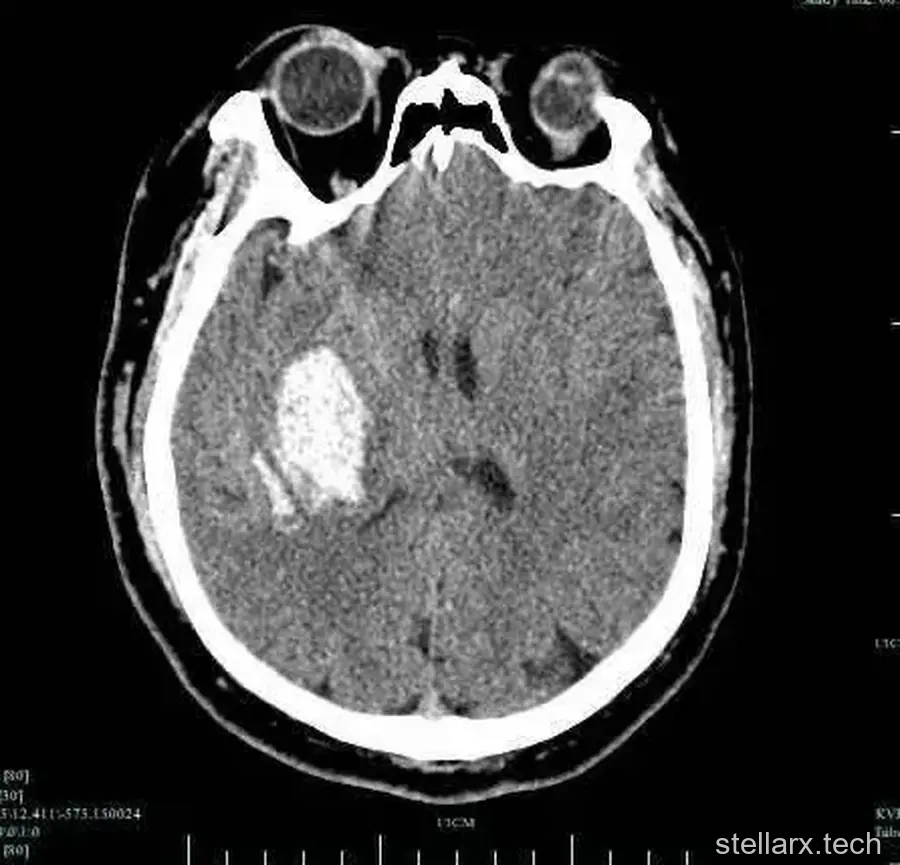
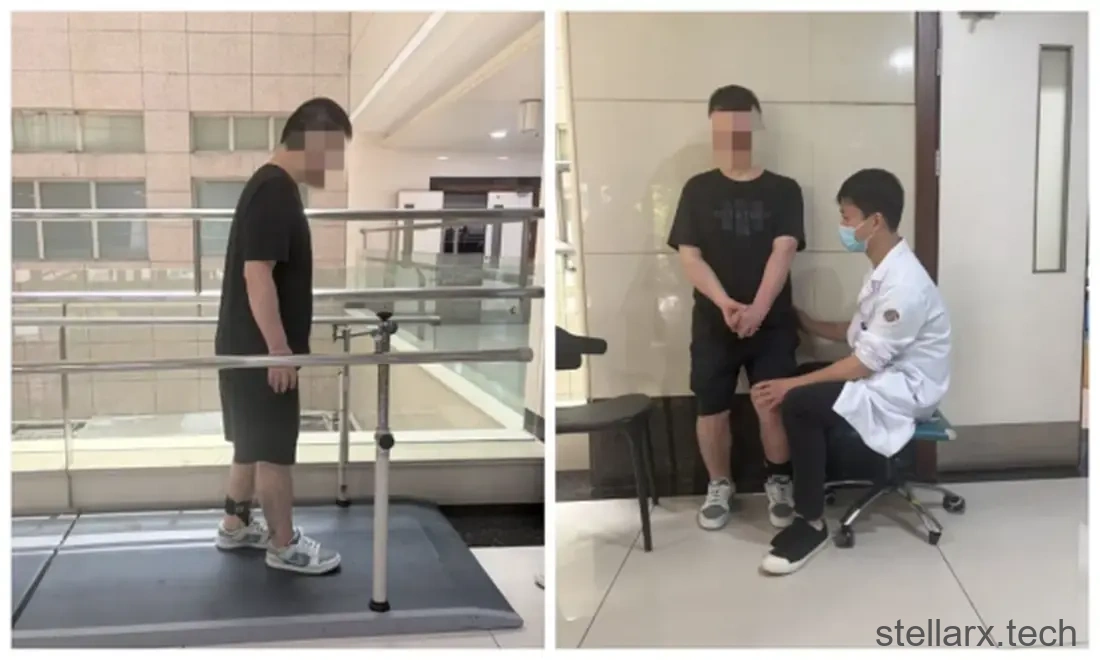
Seven years earlier, a routine health check had already flagged his blood pressure as too high. The doctor told him then to intervene early and change how he lived. He was young and had no symptoms, so he never took it to heart and kept drawing down his body. After a full year of rehabilitation training, Mr. Yang can now walk on level ground on his own.
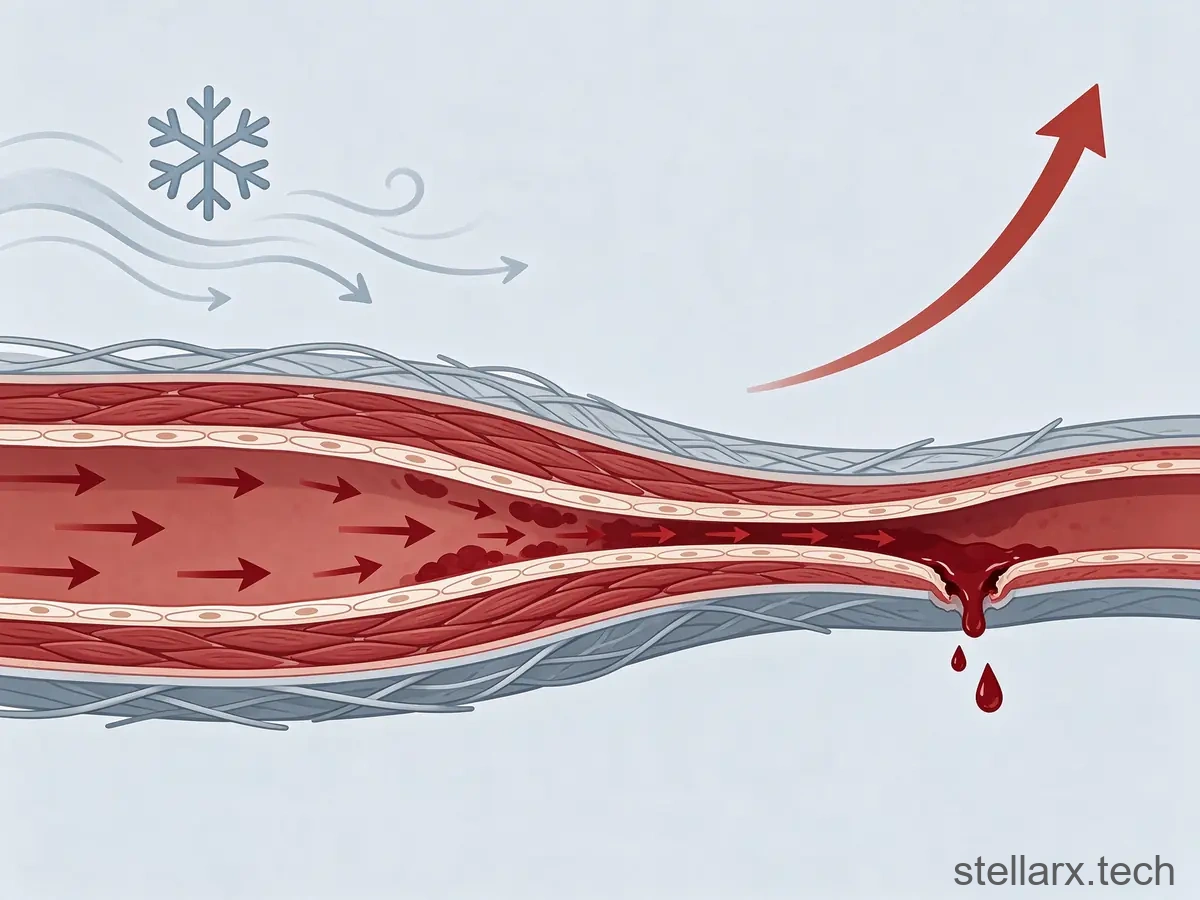
Once autumn and winter turn the air cold and the gap between day and night temperatures widens, cardiovascular and cerebrovascular disease enters its high season.
The doctors' reminders:
High blood pressure cannot be left alone. Monitor it regularly, adjust medication as your doctor instructs, and never change the dose yourself.
Do not run hard when your blood pressure is unstable. Choose gentle movement such as walking first, stay away from hot and cold shocks as much as you can, and do not take a hot shower right after exercise.
Keep the diet light — less salt, less oil — avoid staying up late, and keep your weight under control.
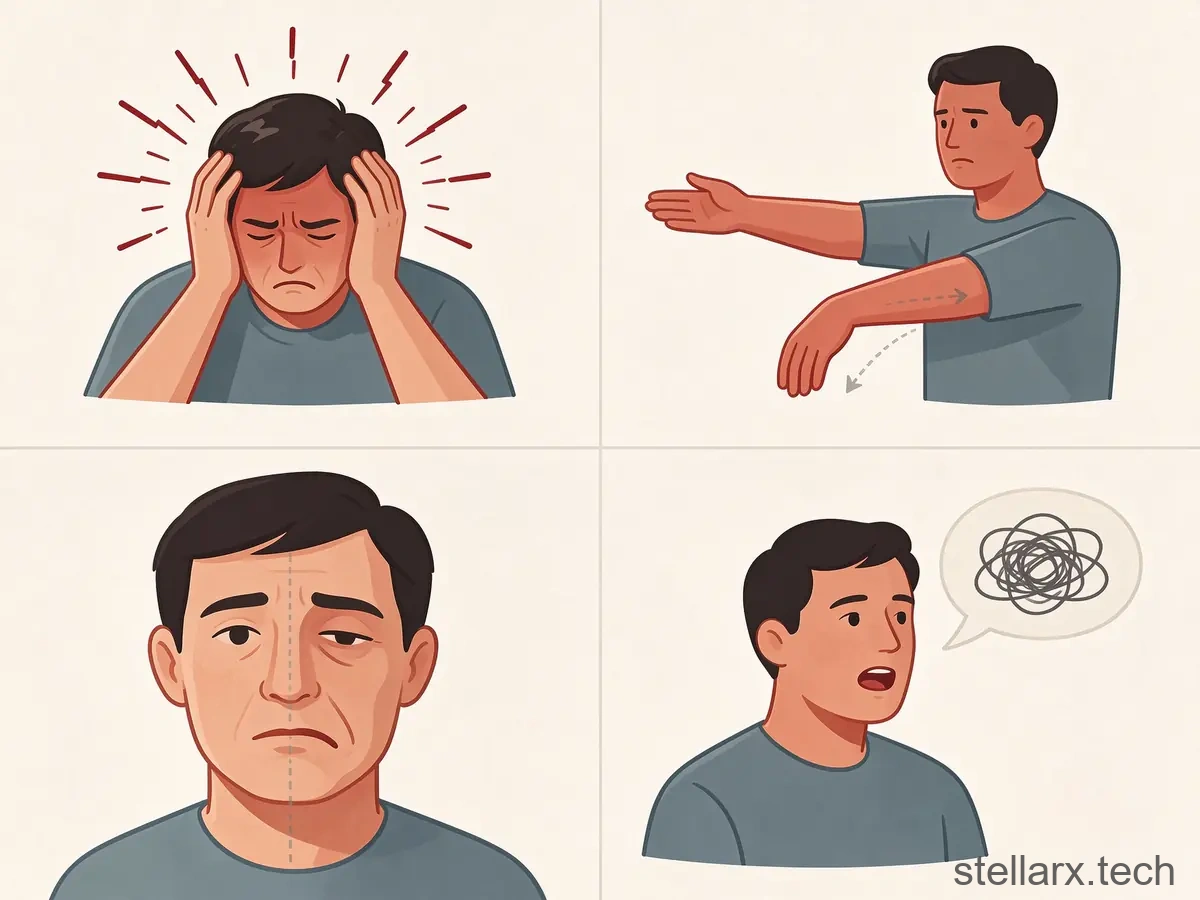
Above all, remember the warning signs of stroke:
If a violent headache, weakness on one side of the body, a drooping mouth corner or slurred speech comes on suddenly, call 120 immediately. If a stroke does happen, start standard, long-term rehabilitation training as early as possible once the condition is stable, to win back as much independent living as you can.
High blood pressure is never "no feeling, no problem." Do not wait until a vessel bursts and your body sends out a distress signal to regret that you never took it seriously.
The vessel that gave way has a wall you can actually look at. Inside it sits a layer of smooth muscle that squeezes the channel narrower with every spike in