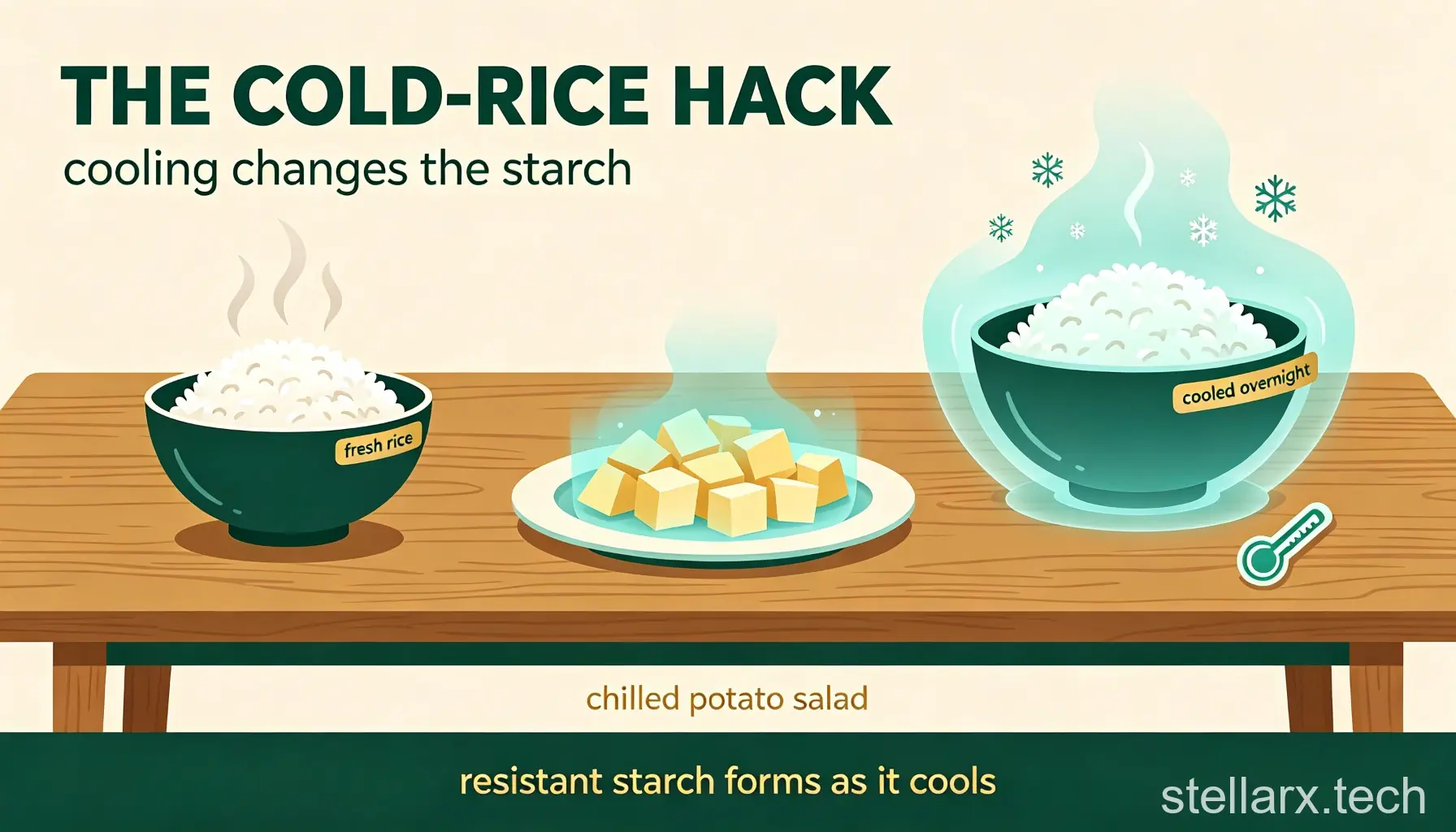
The TikTok hack is real chemistry. Cook rice, let it cool, and a fraction of its starch turns into something your small intestine cannot digest — resistant starch. Reheat it and most of it survives. Same trick works on potatoes, pasta, and bread.
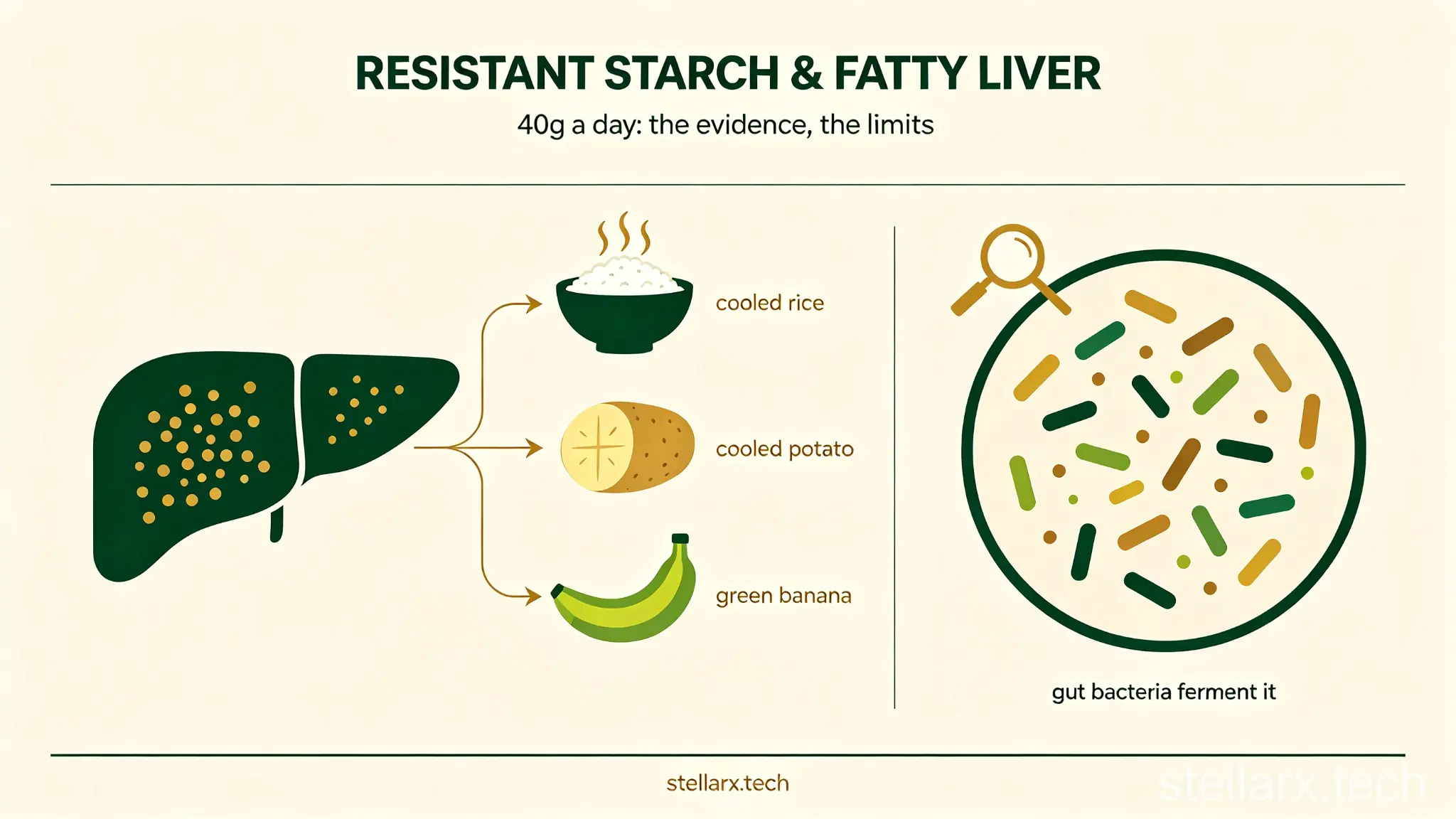
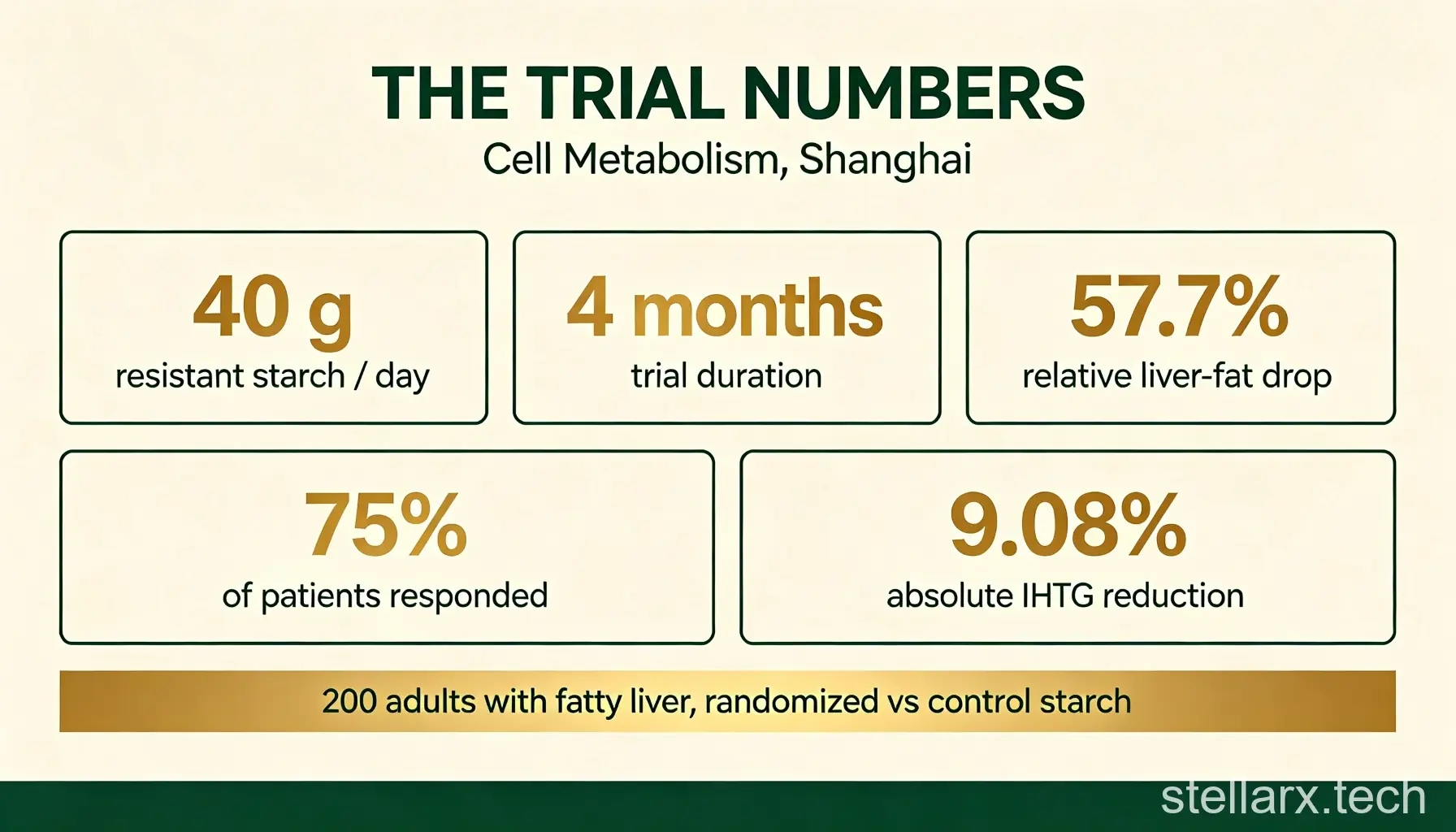
That chemistry is now doing heavier lifting: a widely shared claim says eating 40 grams of resistant starch a day shrank liver fat by 57.7% in people with fatty liver. A Shanghai Jiao Tong University team published the trial in Cell Metabolism. It is a real study — and the number needs context before you buy a bag of starch.
What resistant starch actually is
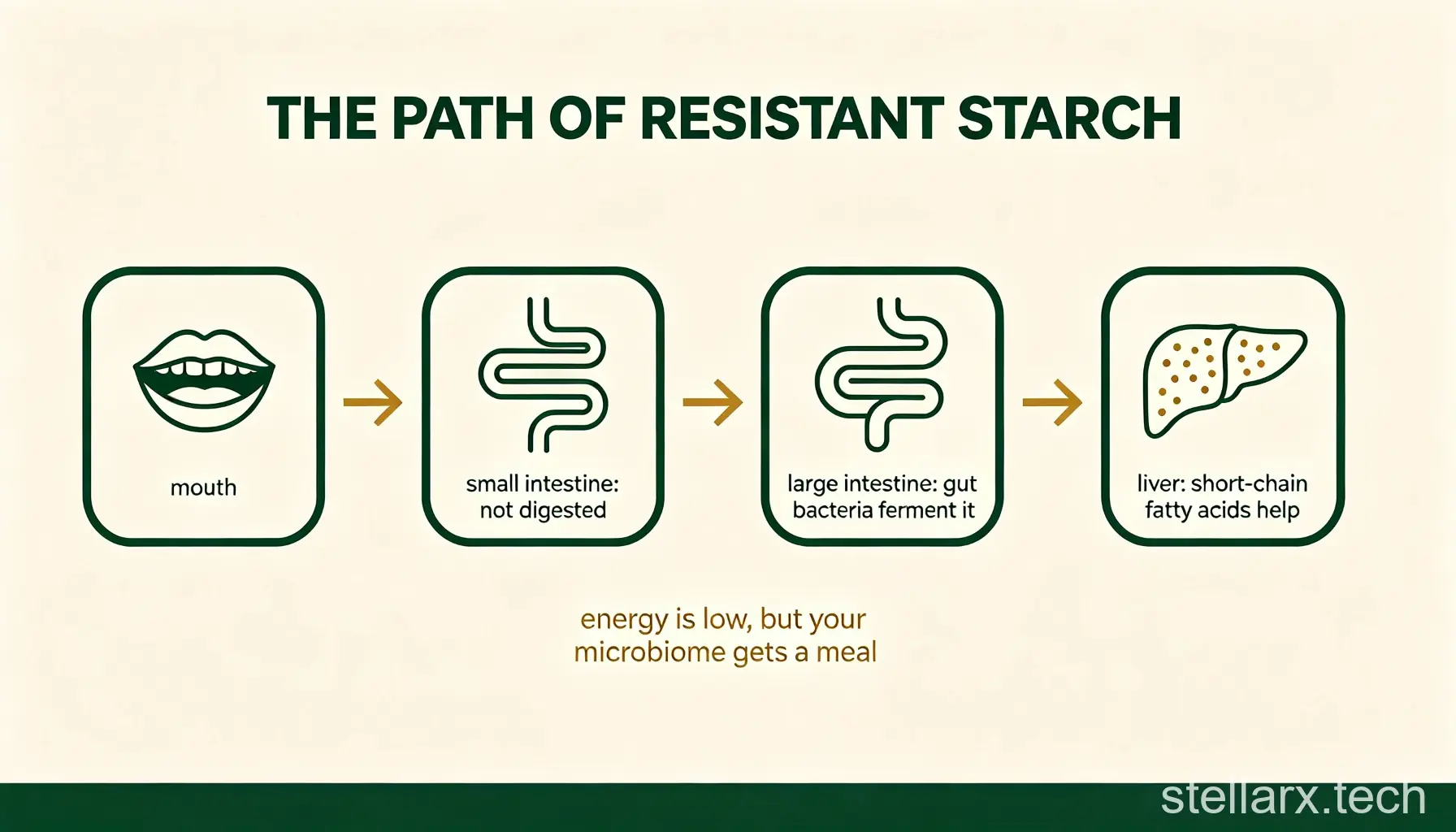
Ordinary starch is digested into glucose in the small intestine. Resistant starch resists digestive enzymes instead: it travels down to the large intestine almost intact, where gut bacteria ferment it. The energy yield is low, and the fermentation products — short-chain fatty acids — are food for your microbiome.
That is why it shows up in everyday food: rice, rice noodles, oats, potatoes, and beans all carry it, and the amount rises when cooked starch is cooled. The same plate of rice, chilled overnight, is no longer the same starch.
The viral number, checked against the paper
The study behind the headline: 200 adults with non-alcoholic fatty liver disease, four months, daily 40-gram supplement of resistant starch (type 2, from high-amylose maize) or a control starch. In the resistant starch group, intrahepatic triglyceride content fell by 9.08% in absolute terms — about a 57.7% relative drop for the 75% of patients who responded. The control group barely moved.
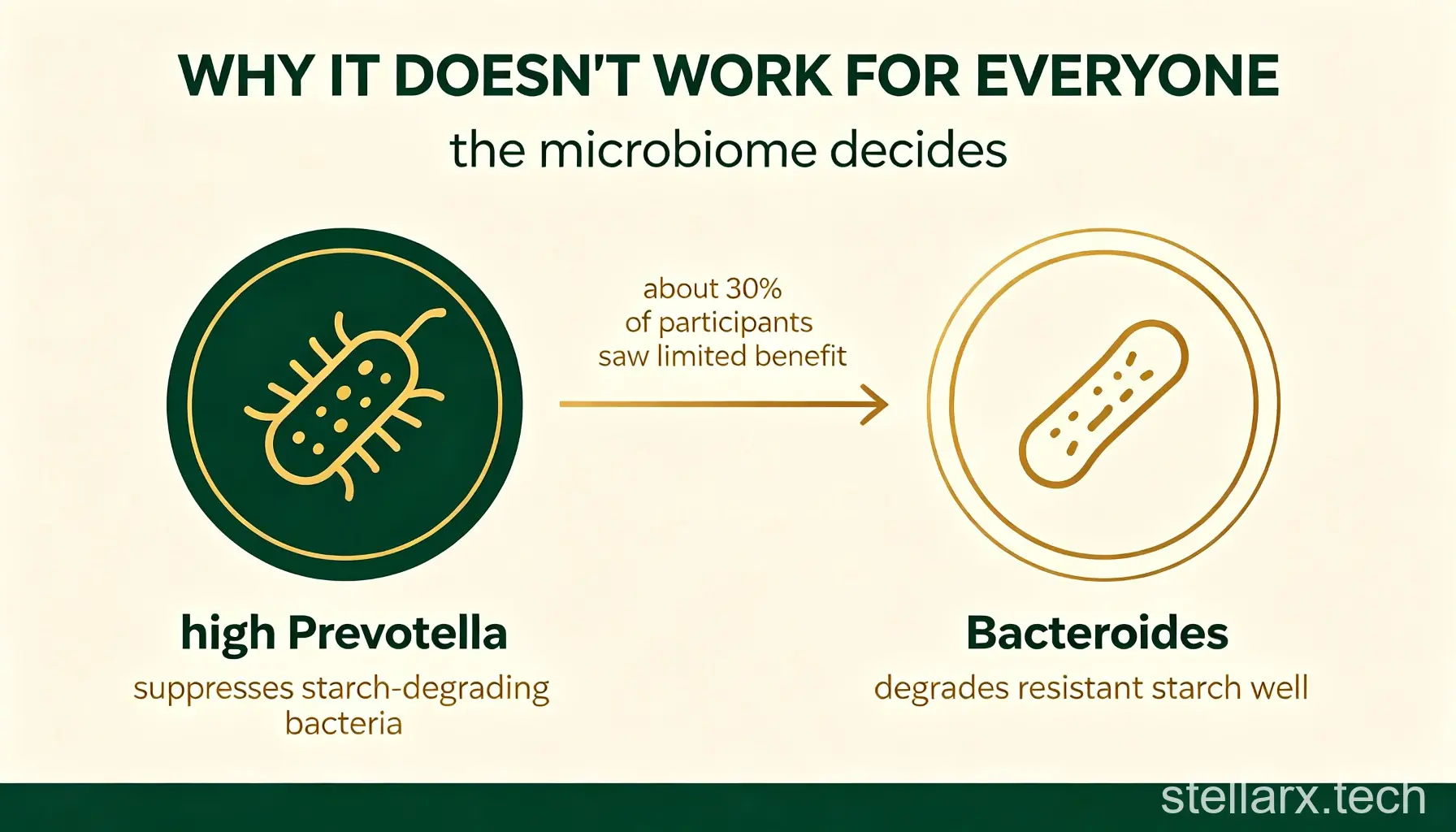
A second Shanghai team paper in Cell Metabolism (November 2025) added the honest asterisk: efficacy is highly individual. About 30% of participants saw limited benefit, and a high baseline abundance of Prevotella — a genus that suppresses resistant-starch-degrading bacteria — predicted poor response. The gut microbiome, not the supplement, decides who wins.
The other benefits in the same trials
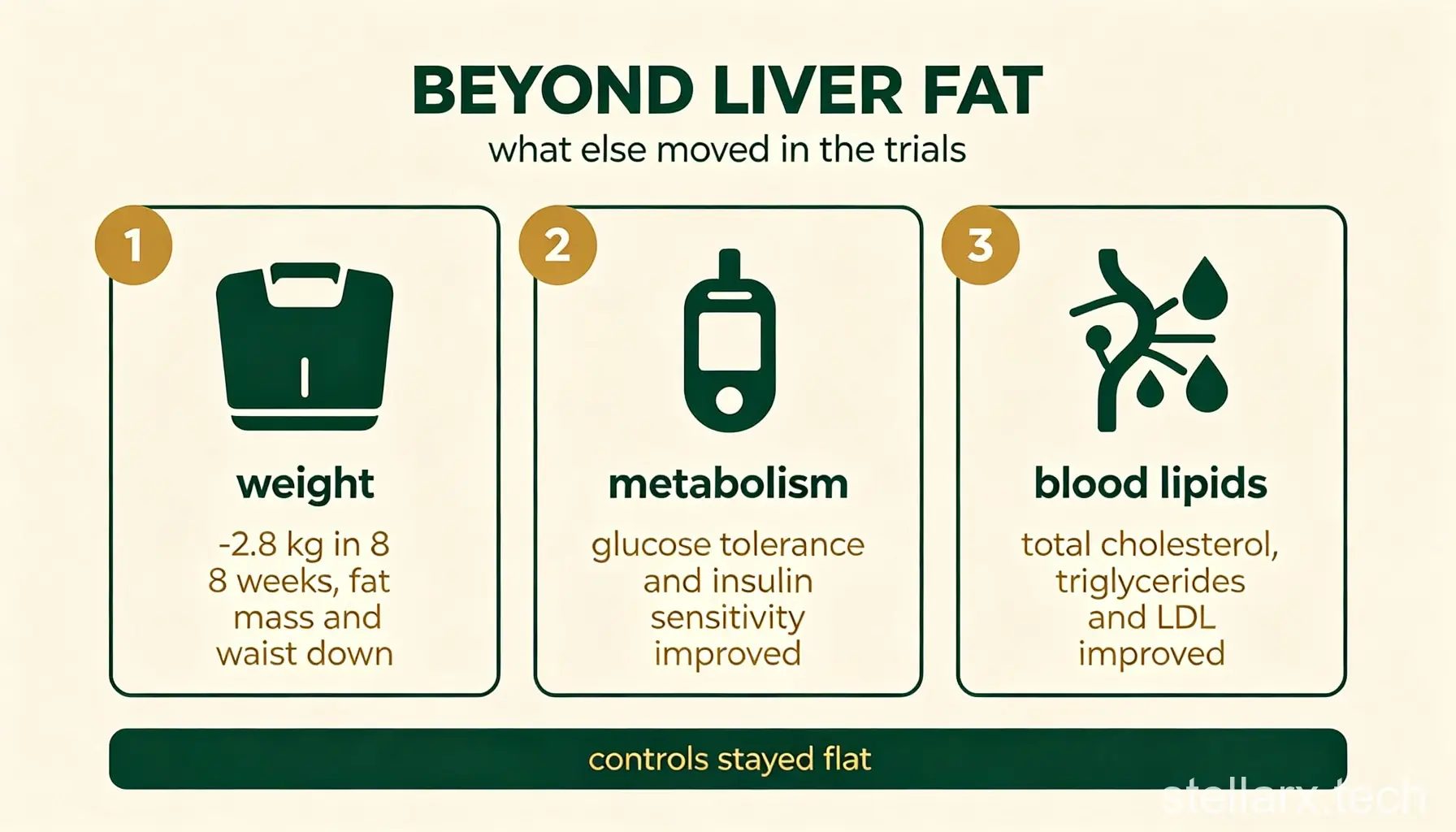
Weight: people on 40g a day lost 2.8 kg over eight weeks, with fat mass and waist circumference dropping, while controls stayed flat.
Metabolism and inflammation: glucose tolerance and insulin sensitivity improved; pro-inflammatory cytokines fell.
Blood lipids: total cholesterol, triglycerides, and LDL all moved in the right direction.
The catch: research dose vs kitchen dose
The trials used 40 grams a day of concentrated resistant starch — roughly five to six bowls' worth of chilled rice, or a specialty high-amylose maize starch. Most people cannot eat that as food every day, and the studies were short with limited numbers. Whether long-term heavy intake has side effects, or who should avoid it, is not yet known.
So treat the "research effect" numbers as what they are: a proof of mechanism, not a label on a supplement jar. The usable version of this science is smaller and more boring.
Five kitchen habits that raise resistant starch
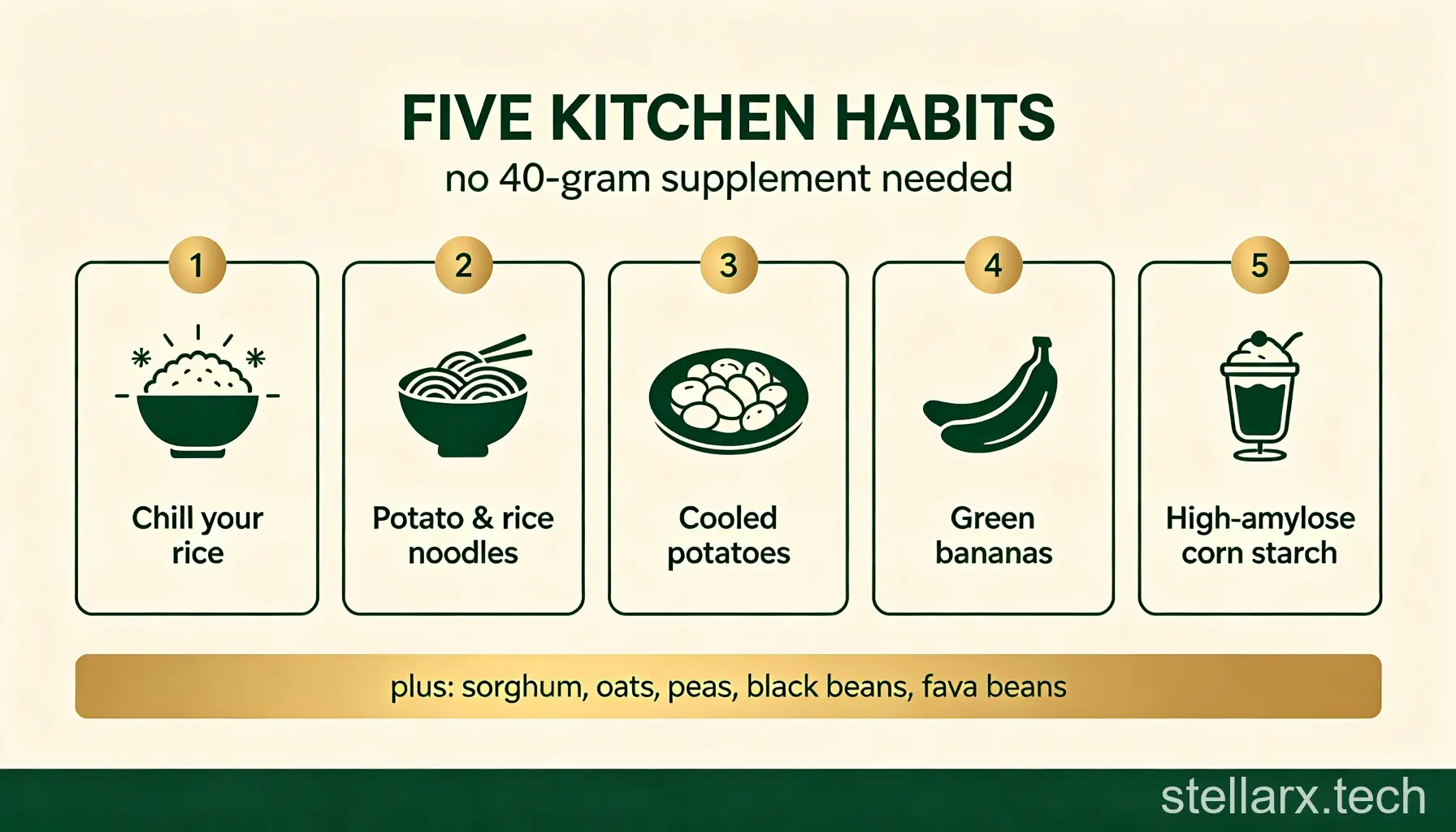
The realistic move is to raise resistant starch in ordinary meals, not to chase 40 grams:
Chill your rice and eat it cold or reheated — sushi and onigiri are the classic versions, but any leftover rice works.
Rotate rice noodles, potato starch noodles, and sweet potato vermicelli — and add more vegetables and protein, skip the broth-heavy bowls.