A mother dropped her toddler's insulated bowl and the lid popped open. What she found inside the gap — between the stainless-steel inner liner and the plastic shell — stopped her cold: the hollow space was lined with black mold, and the water trapped in it smelled rotten.
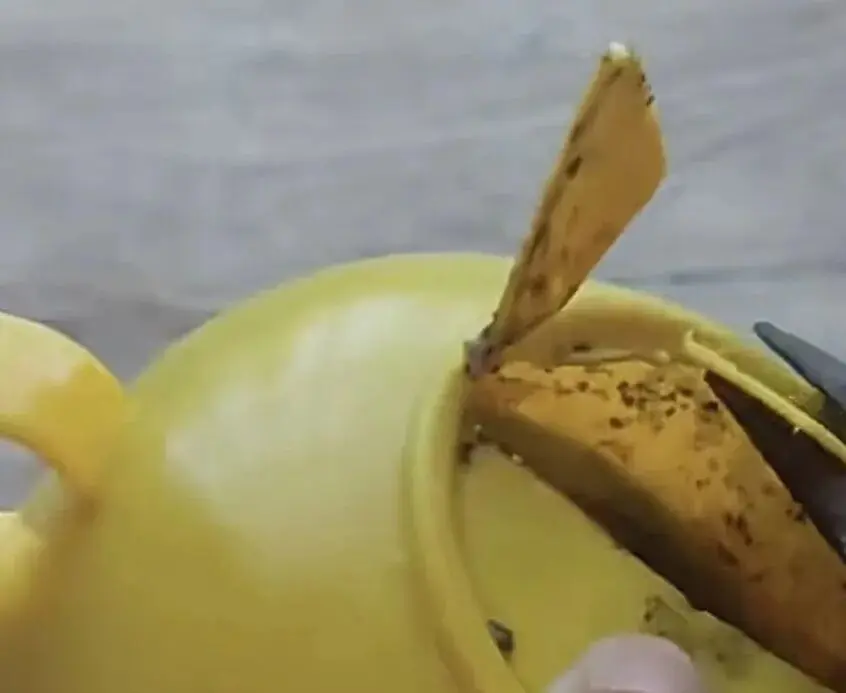
Nothing in the bowl had ever touched food directly. That is exactly the point: the dangerous part of an insulated bowl is the part food never touches.
The Bowl That Never Gets Cleaned
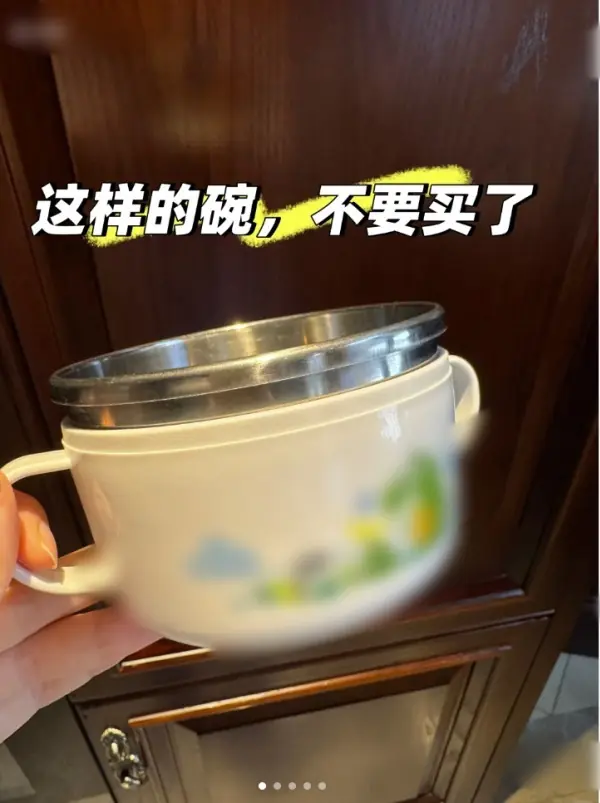
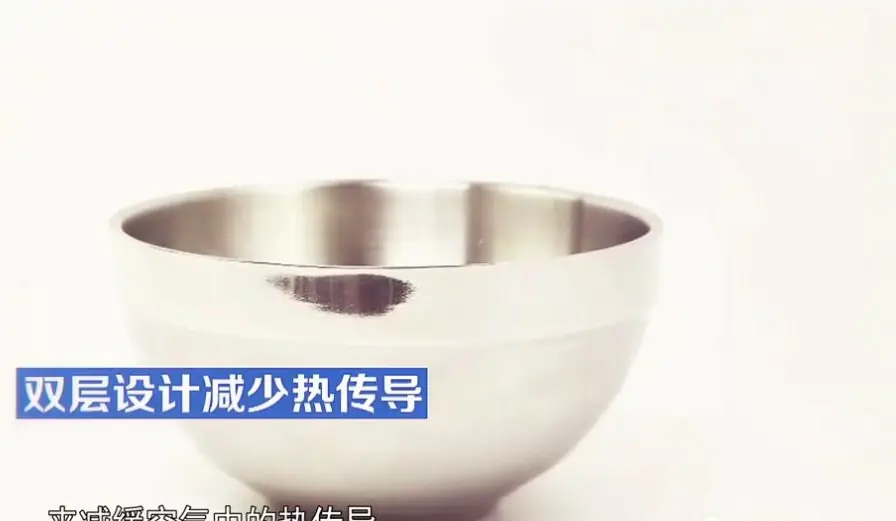
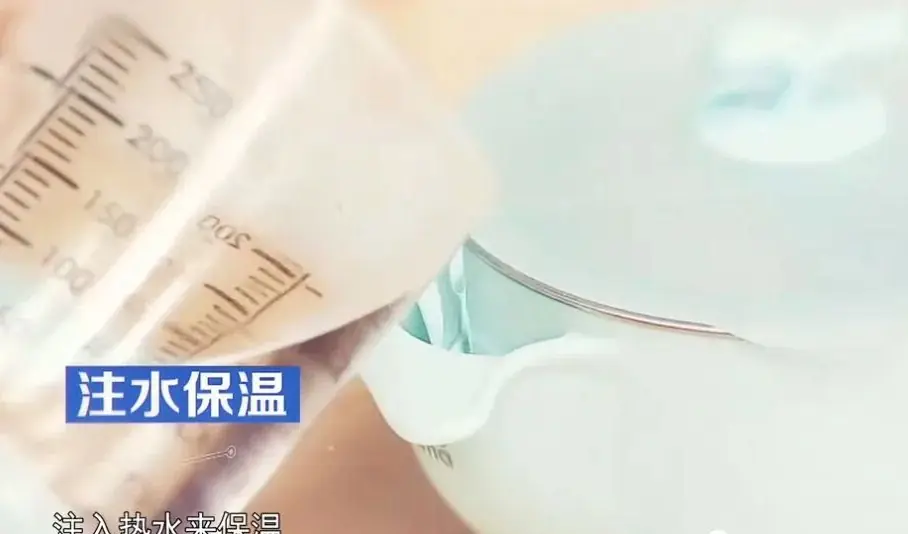
Insulated baby bowls sold as "warm-keeping" cups and dishes usually come in two designs: a double-wall structure that slows heat transfer, or a sealed layer that holds hot water injected into the base. The second type is sold with a small fill port on the bottom — "pour in hot water to keep food warm."
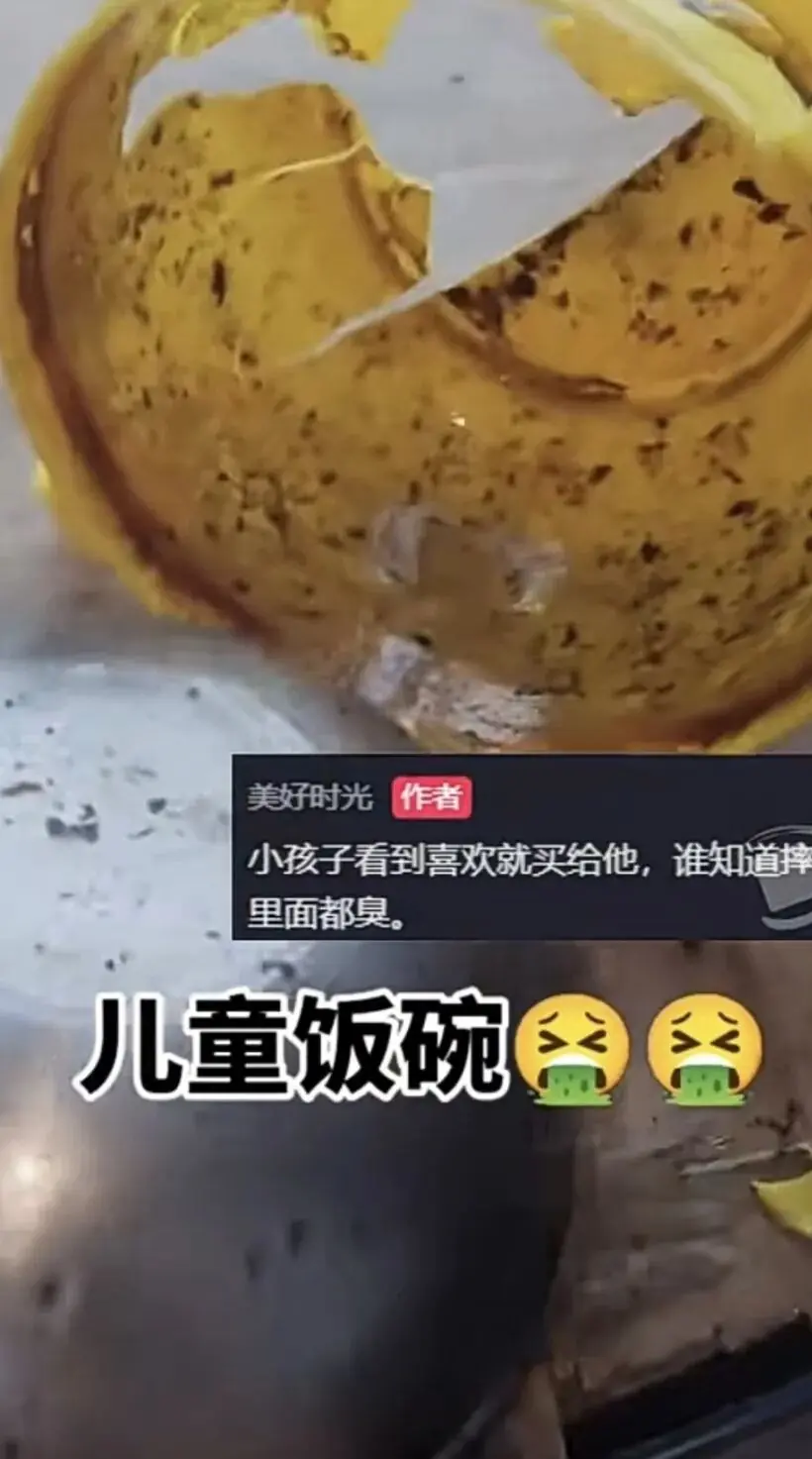
The problem is what hides in that gap. Many mothers on social media have posted the same warning: avoid this kind of divided feeding bowl — the seams trap food residue, and some reviewers specifically advise choosing a one-piece 316 stainless bowl instead.
Netizens arguing under the original post split into camps: replace the bowl, blame poor cleaning habits, or disassemble it for washing. One commenter's guess kept coming back — this bowl had probably not been opened and washed for years.
What a Lab Found Inside
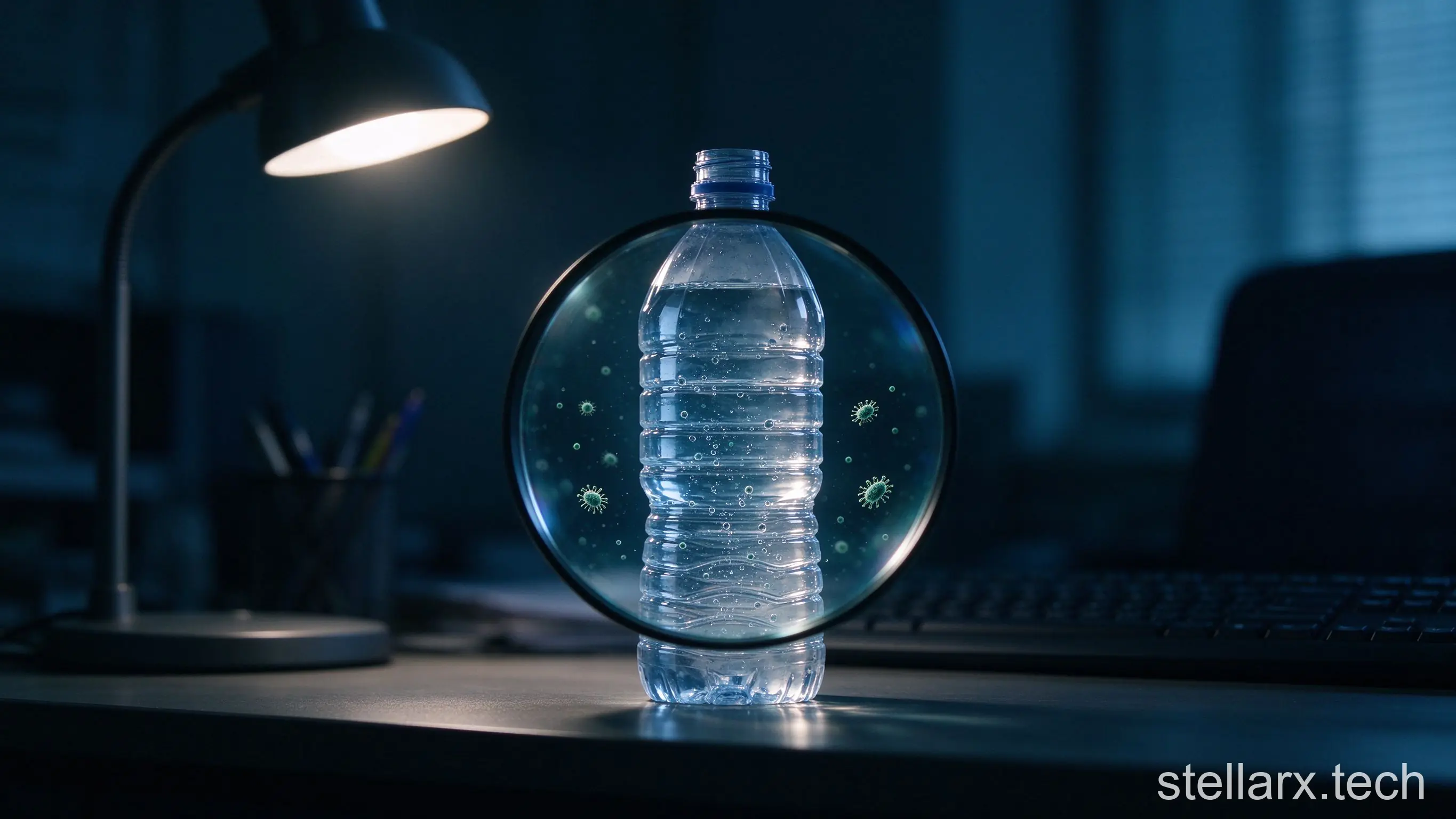
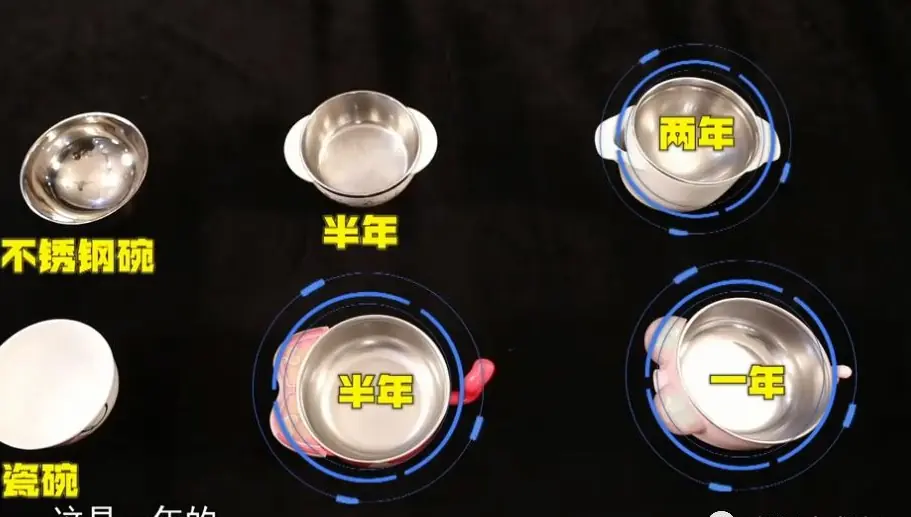
In a December 2019 program test, researchers examined both common designs — the double-wall type that slows heat conduction and the hot-water-fill type. The results: the total colony count was severely above standard — too high to count. The longer the bowl was used, the more bacteria grew.
The organisms isolated included Bacillus cereus, Klebsiella pneumoniae, and Acinetobacter baumannii. Tableware commonly carries E. coli, Pseudomonas aeruginosa, Staphylococcus aureus, Salmonella, and Shigella as well.
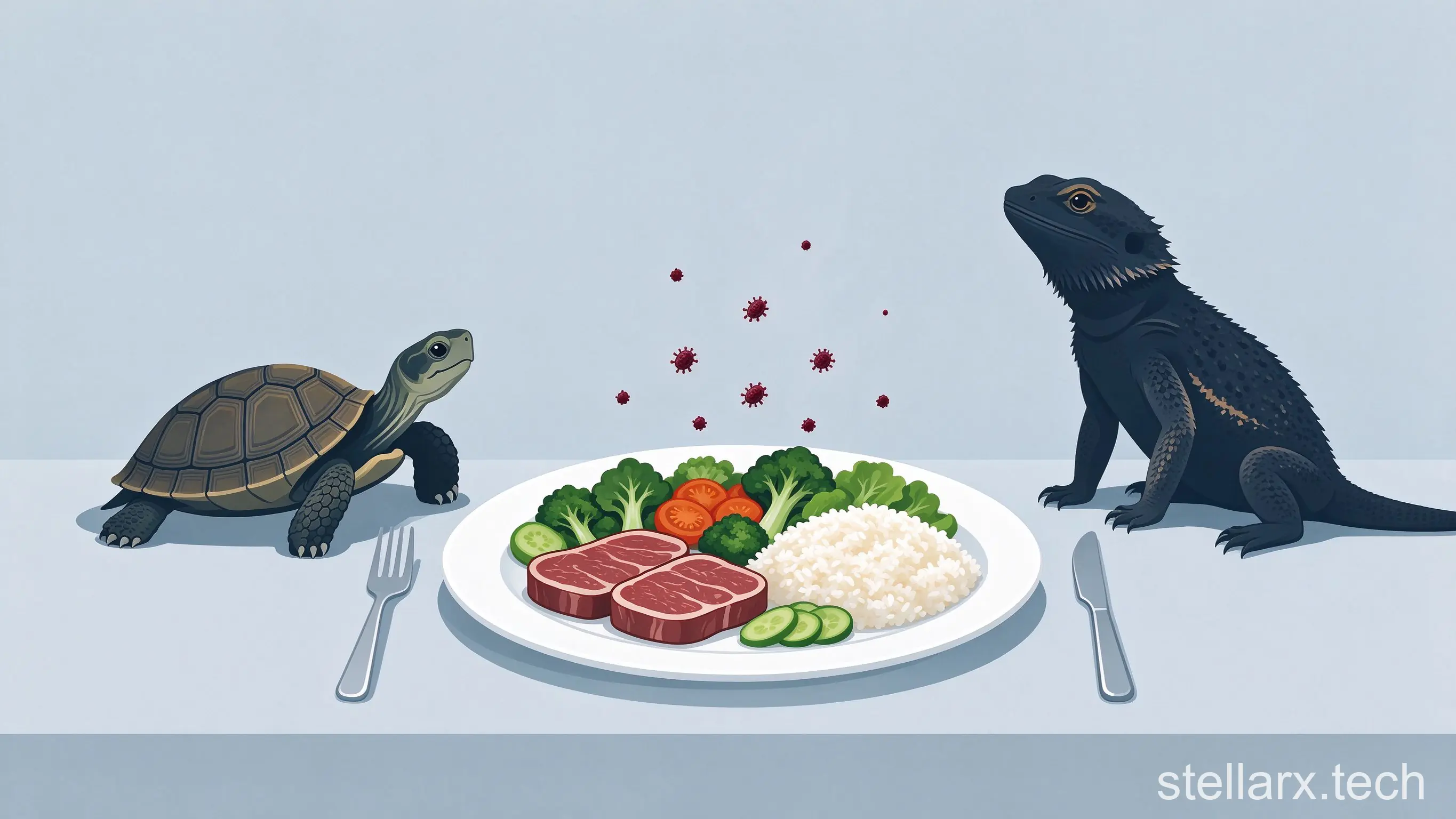
All of these are opportunistic pathogens — bacteria that a healthy adult usually shrugs off but that can cause real trouble in infants, the elderly, and anyone with lowered immunity: diarrhea, abdominal pain, and vomiting that can, if left untreated, become life-threatening.
Why Warm Water Doesn't Save You
Here is the part most parents don't realize: the "keep warm" feature is also a bacteria incubator.
Hot water poured into the fill layer at 60–70°C cannot sterilize it. Killing these organisms reliably requires heating to 120°C and holding that temperature for a set period — the standard autoclave cycle. Warm water in a food bowl simply keeps whatever is already growing cozy.
And there is a second problem beyond live bacteria. The seal of an insulated bowl is not completely airtight, and even after the bacteria die, their released toxins remain in the food, invisible and safe-smelling. No amount of rinsing the inner liner undoes what has been cooking in the gap.
The longer the bowl has been in use, the more colonies the lab recovered — and the same visual contrast shows up in the test's sample photos, pairing a stainless bowl used half a year, a ceramic bowl used two years, and a one-year sample side by side.
What to Actually Do
The practical rule is simple and cheap:
1. Wash every time, and disinfect thoroughly on a schedule — a routine scrub of the inner bowl is not enough if the bowl has a fill layer;
2. Do not boil or heat-sterilize the fill layer — most of these bowls are not made for high heat. Because the material can't take it, use ozone or UV disinfection instead;