Why Doesn't Homemade Stir-Fry Taste Good Even When You Follow the Recipe?
Many people have experienced this:
You buy fresh beef, use all the recommended seasonings, and follow the recipe carefully. But the result is still dry, tough, and difficult to chew.
You carefully slice your potatoes into strips, but after stir-frying, some are already soft while others are still undercooked.
You want to make a delicious homemade meal, but somehow it never tastes quite like the food served in restaurants.
The problem may not be the seasoning at all.
The real difference often comes down to small cooking details that are easy to overlook.
Why Is Your Beef Always Tough? You Might Be Cutting It the Wrong Way!
When preparing beef for stir-frying, many people simply pick up a knife and slice along the visible grain of the meat.
However, this cutting direction can make the beef much chewier.
Beef contains muscle fibers. If you slice along the direction of these fibers, the resulting pieces retain relatively long strands of muscle tissue.
After cooking, these longer fibers are harder to break apart when chewing, making the beef feel tough, dry, and chewy.
A better approach is:
Slice beef against the grain, cutting across the direction of the muscle fibers.
This shortens the muscle fibers in each slice, making the beef easier to chew and helping create a more tender texture.
So, before cutting beef next time, take a moment to identify the direction of the grain.
This small adjustment may make a bigger difference than adding another spoonful of seasoning.
Why Are Some Potato Strips Cooked While Others Are Still Raw?
Another common problem when making stir-fried shredded potatoes is:
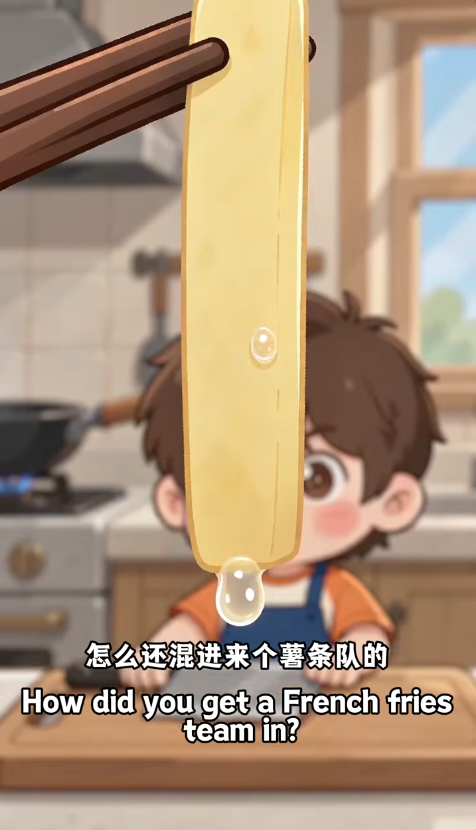
Uneven cutting.
Some potato strips are thin and long, while others are much thicker.
When they are all added to the pan together, the difference becomes obvious.
Thin strips heat up quickly and soften easily, while thicker strips need more time to cook through.
The result?
Some potato strips become soft and overcooked, while others remain firm and undercooked.
That is why it is important to cut potato strips into similar sizes.
Even thickness helps ingredients cook more consistently.
This principle also applies to shredded carrots, green peppers, and other ingredients that need to be stir-fried quickly.
Why Do Cutting Size and Heat Control Matter Before Ingredients Go into the Pan?
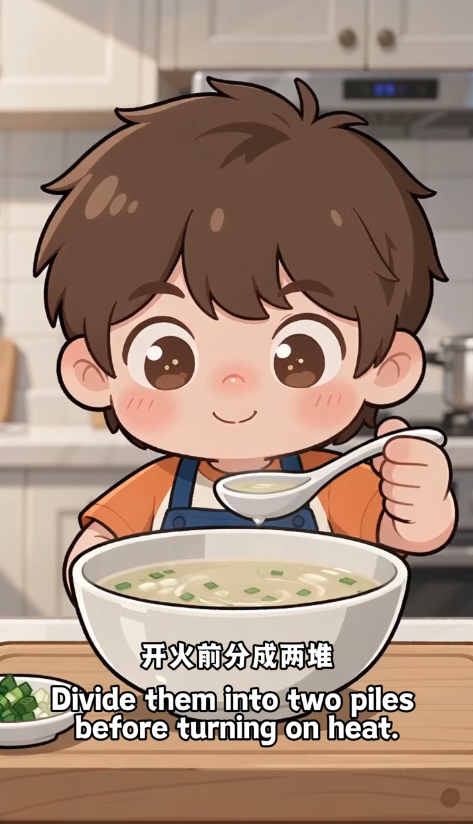
Besides cutting ingredients evenly, the cooking order and heat level are equally important.
Generally, thicker ingredients that require more time to cook can go into the pan first, while thinner ingredients that cook quickly can be added later.
You should also adjust the heat and cooking time according to the characteristics of each ingredient.
For example, beef slices are usually best cooked quickly over relatively high heat. Cooking them for too long can cause moisture loss and make them tough.
Shredded potatoes, on the other hand, need an appropriate cooking time depending on their thickness and your preferred texture.
So, stir-frying is not simply about using the highest possible heat or adding every ingredient at the same time.
Even cutting, a sensible cooking order, and proper heat control help ingredients cook more evenly.
Why Does Minced Garlic Burn So Easily?
Minced garlic is an essential seasoning ingredient in many homemade dishes.
But many people have experienced this problem:
The garlic has barely started releasing its aroma when it suddenly turns dark brown and develops a bitter taste.