Freshly fried French fries have a distinctive texture: a crispy outer layer surrounding a soft, tender interior.
But how can a single piece of potato develop two completely different textures during cooking?
The answer involves more than high oil temperatures.
French fries become crispy outside and soft inside because moisture content, starch structure, and tissue properties change differently at the surface and in the center during frying.
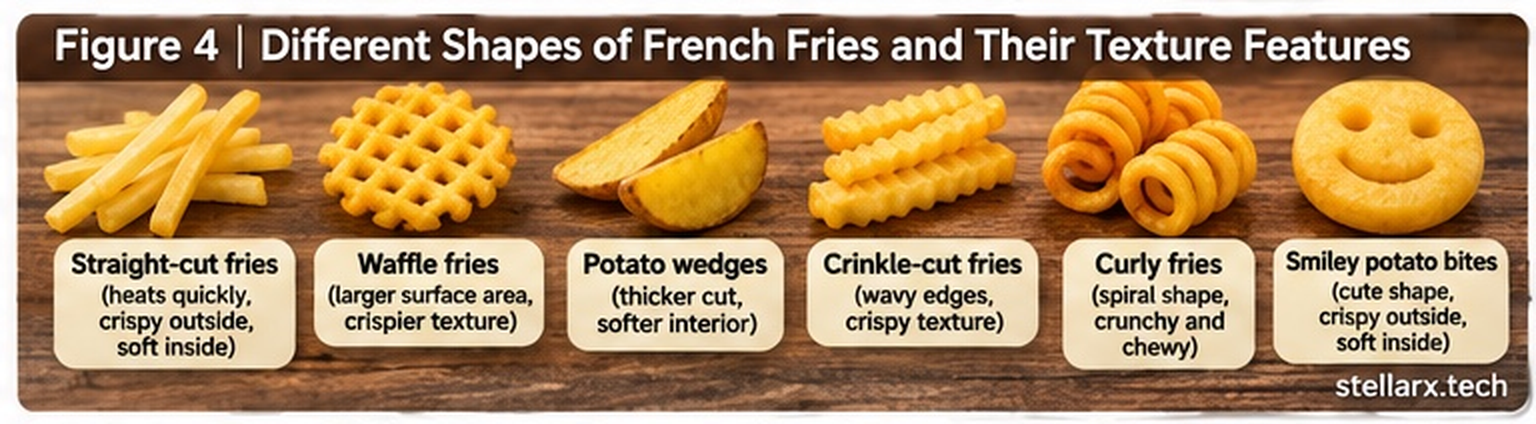
In the latest episode of Chubby Cat Kitchen, two cats harvest potatoes and prepare several varieties of potato snacks, including straight-cut fries, waffle fries, potato wedges, crinkle-cut fries, curly fries, and smiley potato bites.
Although these snacks share the same main ingredient, their shapes and preparation methods can influence their final textures.
What exactly happens inside a potato when it is fried?
[Insert Chubby Cat Kitchen video here]
01 | Why Are Potatoes Good for Making French Fries?
To understand why French fries become crispy, we first need to examine the potato itself.
The edible part of a potato plant is not a root. It is a swollen underground stem called a tuber.
Potato tubers serve as storage organs for nutrients.
Mature potato tubers generally contain substantial amounts of water and starch, along with smaller quantities of protein, dietary fiber, and other nutrients.
Starch plays an important role in determining how potatoes behave during cooking.
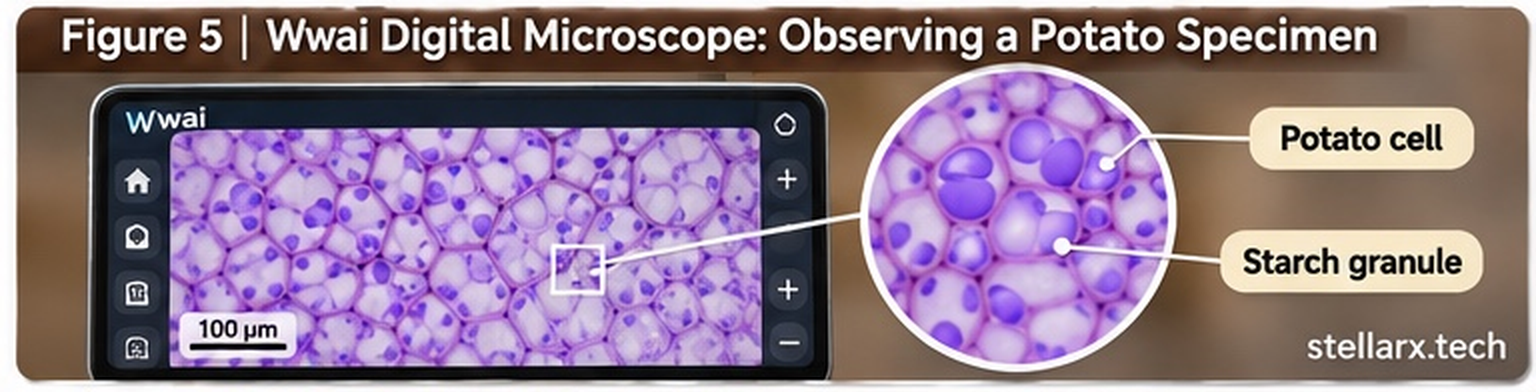
Inside plant cells, starch is primarily stored in specialized organelles called amyloplasts, where it occurs as starch granules.
Different potato varieties may vary in starch content, dry matter content, and tissue structure.
These differences influence the texture of potatoes after heating.
For example, potatoes with higher dry matter content are often better suited to producing fries with fluffy interiors.
However, the final texture also depends on pretreatment, oil temperature, and cooking time.
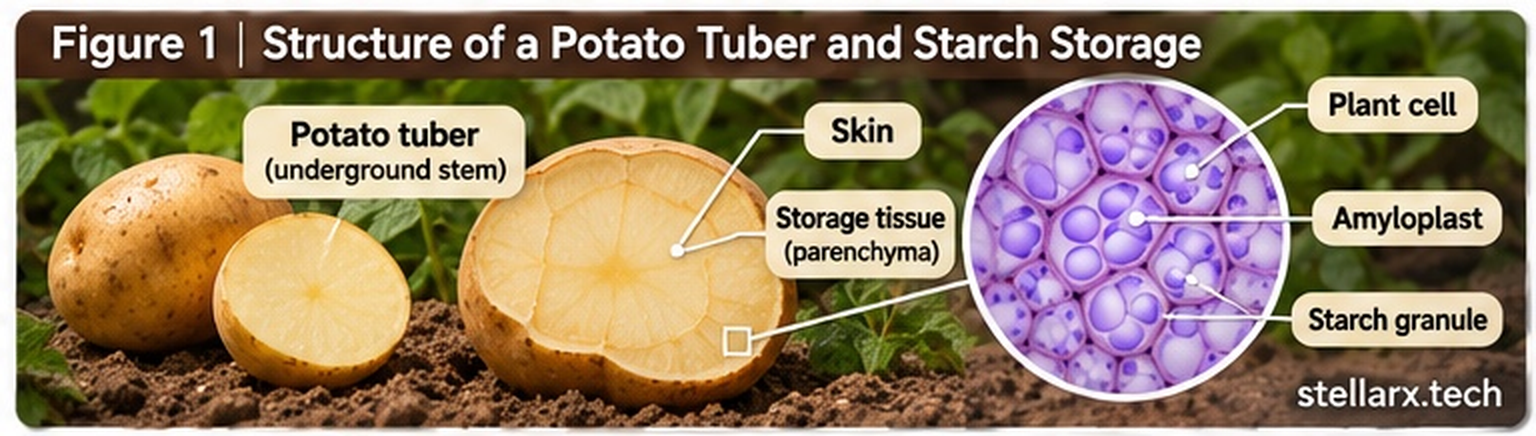
Figure 1. Structure of a Potato Tuber and Starch Storage.
02 | Why Are French Fries Crispy Outside but Soft Inside?
When potato pieces enter hot oil, one of the first major changes involves moisture.
Potatoes naturally contain a large amount of water.
As heat moves from the surface toward the center, water near the surface begins to evaporate.
Some of this water escapes as steam.
As frying continues, the surface loses moisture and gradually develops a relatively dry outer layer.
Under suitable heating conditions, this layer becomes firmer and crispier.
Inside the fry, the situation is different.
Because heat takes time to reach the center, the interior generally retains more moisture.
Meanwhile, starch undergoes gelatinization when sufficient heat and water are available.
Starch granules absorb water and swell, while some of their ordered internal structures are disrupted.
These changes contribute to the softening of potato tissue.
As a result, a single French fry develops two different textures.
The outer layer contains less moisture and becomes relatively firm, while the interior retains more moisture and remains soft.
The crispy exterior and soft interior are not made from different ingredients. They result from different physical changes occurring within the same potato.
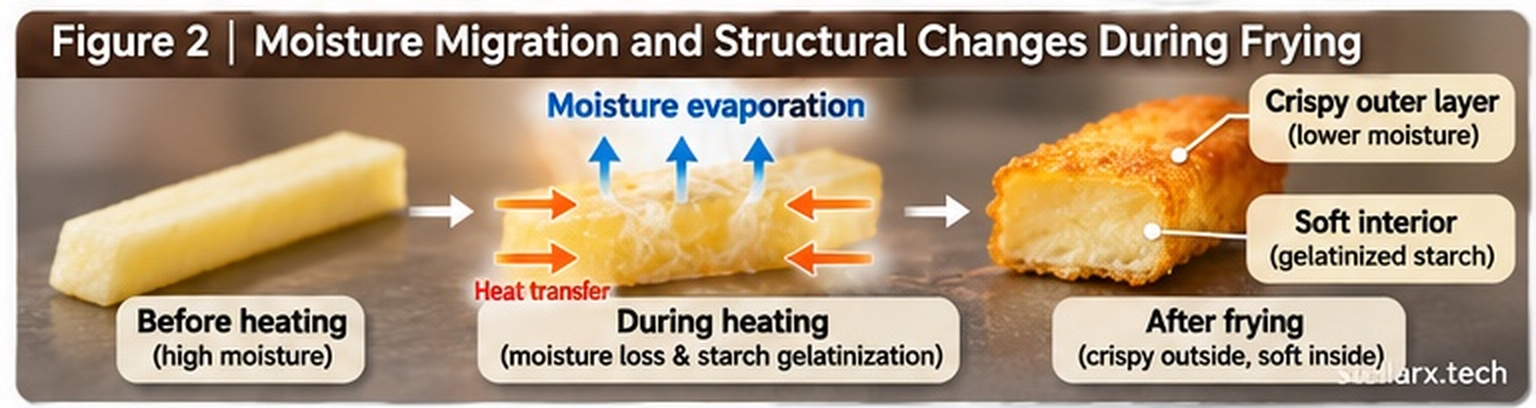
Figure 2. Moisture Migration and Structural Changes During Frying.
03 | Why Do French Fries Turn Golden Brown?
Texture is not the only thing that changes during frying.
The color of potatoes also gradually becomes darker.
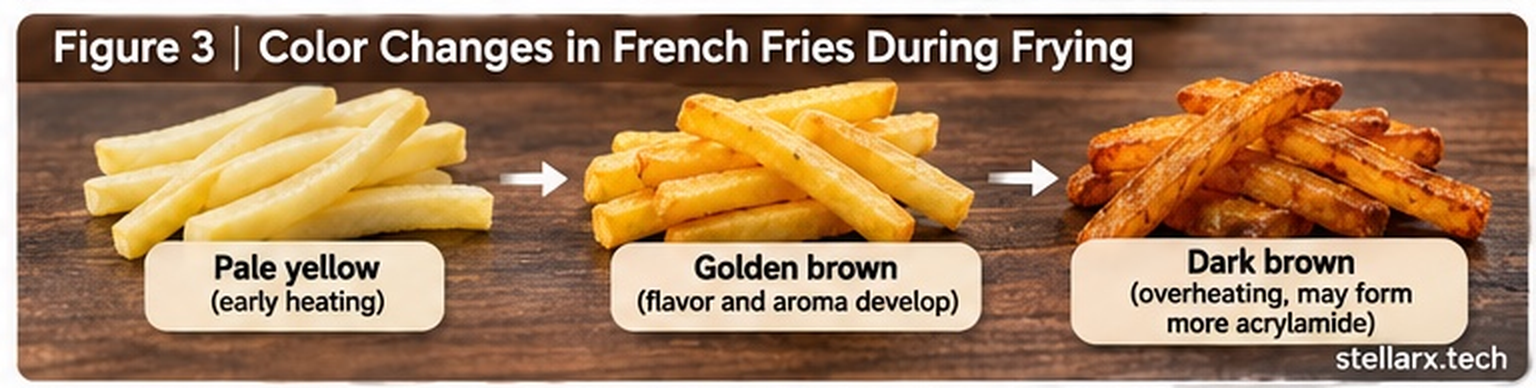
Freshly cut potatoes are often pale yellow or off-white.
After heating, their surfaces may become golden brown and eventually dark brown.
This transformation is closely associated with the Maillard reaction.
The Maillard reaction is a complex series of chemical reactions between reducing sugars and amino compounds during heating.
These reactions produce various flavor compounds and contribute to the formation of brown-colored substances on food surfaces.
The characteristic aroma and golden appearance of French fries are partly associated with these reactions.
However, darker fries are not necessarily better.
Starch-rich foods such as potatoes may also form acrylamide during high-temperature cooking.
Acrylamide formation depends on factors including temperature, cooking time, and the chemical composition of the ingredients.
For this reason, excessive frying and heavy browning should be avoided.